The Colors You Love, the Emotions You Carry! What Your Favorite Hues Reveal About Your Inner World
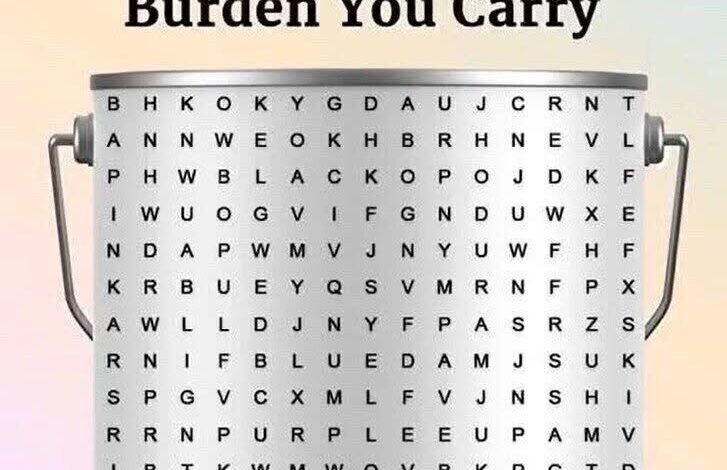
The human experience is an intricate tapestry of sensory inputs, yet few elements possess the profound, silent authority of color. We often perceive our favorite hues as mere aesthetic preferences—choices made when selecting a shirt, painting a room, or admiring a sunset. However, beneath the surface of these everyday decisions lies a complex psychological dialogue. Color is a language that transcends the limitations of human speech, communicating directly with the subconscious mind and the emotional core. It bypasses the analytical filters of the brain and resonates with the soul, acting as a bridge to memories, desires, and internal conflicts that we may not yet have the words to describe. When we are drawn to a specific palette, we are not just looking at light frequencies; we are engaging with a mirror that reflects the current state of our inner world.
The first three colors an individual is instinctively drawn toward in any given period of their life serve as a triad of emotional clues. These are not static markers; they shift as we evolve, mirroring our growth, our traumas, and our triumphs. To understand what our favorite hues reveal about our inner landscape, we must first recognize that color is energy made visible. Each shade carries a specific vibration that interacts with our psychological makeup. For instance, the magnetic pull of red is rarely a neutral experience. Red is the color of the life force itself—the hue of blood, fire, and the beating heart. When red dominates an individual’s emotional spectrum, it often signals a period of intense vitality, ambition, and a burning desire to manifest one’s will in the world. It is the color of the pioneer and the lover. Yet, this same intensity has a shadow side. Red can also be a quiet harbinger of unresolved frustration or a restlessness that borders on agitation. It may reveal an inner struggle to channel a powerful energy that feels as though it might consume the vessel that carries it.
In stark contrast, the pull toward blue often signifies a soul in search of a sanctuary. Blue is the color of the infinite sky and the deep, silent ocean. It represents the psychological need for stability, tranquility, and clarity. Those who find themselves gravitating toward various shades of blue are often navigating a season of deep introspection. They may be seeking a “mental cooling” from the pressures of a chaotic environment. On a spiritual level, blue speaks to a longing for truth and a desire to be understood without the need for excessive explanation. However, much like the deep sea, blue carries an inherent weight. It can subtly hint at an underlying melancholy, a sense of isolation, or a reflective sorrow that the individual has not yet brought to the surface. It is the color of the philosopher and the mourner alike, representing the vastness of the human capacity for both peace and solitude.
The presence of purple in one’s preferred palette often indicates a sophisticated state of transition. Historically associated with royalty and the divine, purple exists at the intersection of the fiery energy of red and the stable calm of blue. Consequently, it has become the universal symbol for transformation and spiritual alchemy. When someone is drawn to purple, they are often in the midst of a significant personal metamorphosis. They may be shedding an old identity or seeking emotional healing from past wounds. Purple reflects a desire to integrate the physical and the spiritual, suggesting that the individual is looking for deeper meaning beyond the material world. It is the color of the seeker, signaling that the inner world is currently a laboratory of growth and self-discovery.
Our relationship with color is not accidental; it is a finely tuned interplay between biological wiring and cultural conditioning. From a neurological perspective, the human brain is an extraordinary processor of light. When photons of different wavelengths hit the retina, they send electrical impulses to the hypothalamus, the part of the brain that governs our hormones and endocrine system. This means that color literally changes our physical chemistry. Warm colors like yellow and orange can trigger the release of dopamine, enhancing mood and alertness, while cooler tones can stimulate the production of calming neurotransmitters. Our ancestors relied on these color cues for survival—identifying ripe fruit, clean water, or the approach of a storm. Today, those same biological triggers remain, manifesting as “gut feelings” or unexplained attractions to certain environments.
Layered over this biological foundation is the vast, shifting landscape of cultural symbolism. We do not perceive color in a vacuum; we see it through the lens of the stories our societies have told us for millennia. In many Western cultures, white is the ultimate symbol of purity, beginnings, and the sanctity of the wedding aisle. Yet, in many Eastern traditions, white is the color of the shroud, representing mourning, loss, and the transition to the afterlife. Red may symbolize good fortune and celebration in one corner of the globe, while in another, it serves as a stark warning of danger or prohibition. These cultural imprints become deeply embedded in our subconscious, influencing how we interpret our own emotional reactions to the world around us. When we choose a color, we are participating in a global history of meaning, even if we are only trying to choose a coat for the winter.
The colors we carry in silence—the ones we surround ourselves with when no one is watching—are the most telling. They reveal the aspects of our character that we are perhaps too shy or too wounded to express through dialogue. A sudden craving for the grounding energy of green may reveal a subconscious need for renewal and a reconnection with the natural world, perhaps as a response to the sterility of a digital life. An attraction to the brightness of yellow might be the soul’s way of fighting off a period of internal darkness, reaching for optimism and intellectual stimulation as a survival mechanism.
By paying attention to the colors that resonate with us, we gain a powerful tool for self-awareness. We begin to see our emotional state not as a confusing jumble of feelings, but as a deliberate composition. Understanding the “why” behind our color preferences allows us to check in with ourselves with greater compassion. We can ask: Is my current obsession with gray a sign that I am seeking neutrality and protection from a world that feels too loud? Is my sudden love for orange an indication that I am ready to be social and creative again after a long period of hibernation?
Ultimately, the palette of our lives is a living document. It is a story told in vibrations and light, a testament to the fact that we are complex, multifaceted beings who are constantly in a state of flux. To honor the colors we love is to honor the emotions we carry. It is an invitation to look into the “quiet mirror” of our surroundings and recognize the beauty, the pain, and the potential that resides within. By embracing the language of color, we find a way to communicate the unspeakable, allowing our inner world to be seen, felt, and understood in all its brilliant, kaleidoscopic glory. We are the artists of our own emotional experience, and the hues we choose are the brushstrokes that define our journey through the light and shadow of existence.