Your Leg Shape May Reveal More About Your Body Than You Think
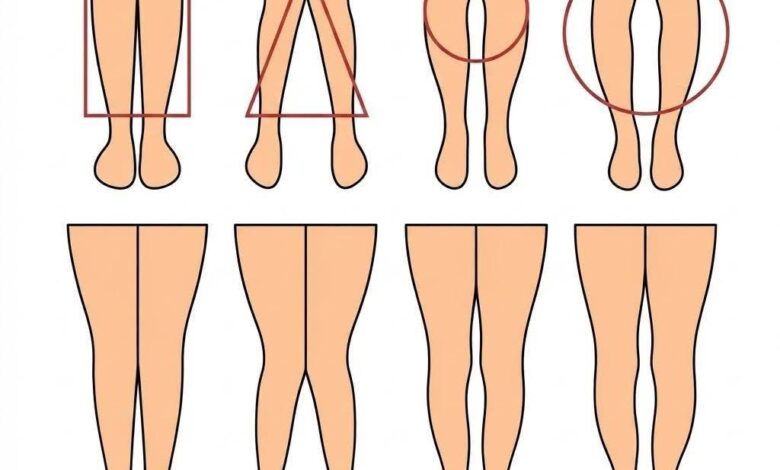
Legs do not all line up in the same way. Some people stand with knees and ankles relatively aligned, some have knees that remain farther apart when the ankles meet, and others have knees that come together while the ankles stay apart. These patterns are often described as straight alignment, bow legs, and knock knees. They can reveal information about structure and movement, but they do not diagnose a disease by appearance alone.
Bow legs are known medically as genu varum. When the ankles are together, the knees remain separated. This pattern may reflect normal childhood development, genetics, an old injury, arthritis, bone conditions, or the way the lower limb has grown. Mild bowing without pain or functional problems may simply be an individual variation.
Knock knees are called genu valgum. The knees move inward and may touch while the ankles remain apart. Many children pass through a knock-kneed stage and gradually develop adult alignment. In adults, a pronounced or changing pattern can sometimes contribute to uneven loading at the knee, but the visual gap alone does not show how healthy the joint is.
Feet influence the appearance of the entire leg. Flat feet, high arches, and the way a person rolls the foot inward or outward can rotate the shin and change how the knees track. Footwear, fatigue, and standing position may make the same legs look different from one photograph to another.
Posture matters too. Locking the knees, shifting weight to one hip, turning the toes, or tilting the pelvis can temporarily alter alignment. A social-media diagram that asks someone to match a silhouette cannot account for those variables. A healthcare professional observes standing, walking, range of motion, strength, and symptoms rather than judging one frozen pose.
Muscle shape creates another layer. The size and position of the quadriceps, hamstrings, calves, and hip muscles affect the outline of the legs. Exercise can strengthen those muscles and improve control, balance, and comfort, but it cannot completely reshape the underlying bones of an adult. Promises that one routine will permanently correct every leg shape should be treated cautiously.
Genetics plays a major role in bone proportions, joint angles, muscle attachments, and body shape. The right and left sides are rarely perfect mirrors. A small difference in leg length, foot position, or muscle development is common. Concern becomes more appropriate when asymmetry is new, worsening, painful, or interfering with normal activity.
Age can change alignment through arthritis, loss of cartilage, previous injury, reduced muscle strength, and changes in the feet. Pain, swelling, instability, repeated falls, locking, or a sudden change deserves assessment. Children should be evaluated when bowing or knock knees are severe, one-sided, worsening outside expected developmental stages, or associated with difficulty walking.
A clinician may examine gait, hip and ankle motion, knee stability, foot posture, and leg length. Imaging is not necessary for every variation, but X-rays or other tests can help when symptoms suggest arthritis, injury, or a structural condition. Treatment depends on the cause and may include observation, physiotherapy, supportive footwear, weight management, medication, or surgery in selected severe cases.
Strengthening the hips, thighs, and calves can improve how the legs control movement even when bone alignment does not change. A physiotherapist can choose exercises based on the person’s gait and symptoms instead of a generic photograph. Comfortable activity is usually more valuable than chasing cosmetic perfection.
Leg shape can offer clues, but it is not a personality test, a measure of beauty, or a complete medical answer. Most variations are part of normal human diversity. The useful questions are whether the alignment is changing, whether it causes pain, and how the person moves. Those answers reveal far more about health than trying to force every pair of legs into one ideal outline.