Young Man in His 20s Dies of Cancer After Ignoring Two Nighttime Symptoms
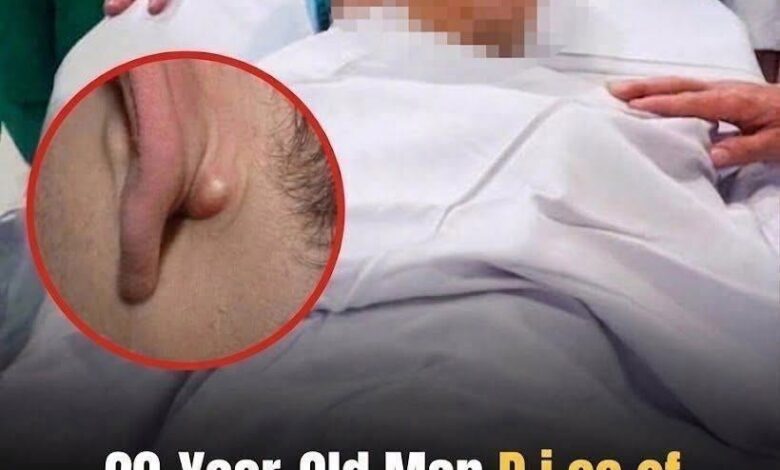
A viral account describes a man in his twenties who died from cancer after overlooking two symptoms that appeared at night. Stories like this are frightening because they suggest that ordinary discomfort can hide a serious disease. The useful response is not to assume every night symptom is cancer, but to recognize patterns that deserve medical attention.
The two symptoms most often highlighted are drenching night sweats and persistent swollen lymph nodes or lumps. Night sweats mean more than feeling warm under heavy bedding. They may soak sleepwear or sheets even when the room is cool. Persistent lumps may appear in the neck, armpit, or groin and remain enlarged without an obvious infection.
Neither symptom proves cancer. Night sweats can result from fever, medication, anxiety, hormonal changes, alcohol, sleep disorders, or an overheated room. Lymph nodes commonly swell while the immune system fights a cold, dental problem, skin infection, or other illness. In many young adults, these explanations are far more likely.
Concern increases when symptoms persist, worsen, or appear with unexplained weight loss, fever, severe fatigue, itching, bruising, repeated infections, or pain that does not resolve. A lump that is hard, fixed, growing, or present for several weeks should be examined. The same is true when there is no clear infection to explain it.
Young adults can develop cancer, although risk for many cancers rises with age. Lymphoma, leukemia, testicular cancer, melanoma, thyroid cancer, and certain bone or soft-tissue cancers can occur in younger people. Assuming age makes serious illness impossible can delay evaluation.
A doctor begins with the history: when symptoms started, how often they occur, whether clothing or bedding becomes soaked, recent infections, travel, medication, weight change, and family history. The examination may include lymph nodes, skin, abdomen, throat, and other areas related to the symptoms.
Blood tests can look for infection, anemia, inflammation, and abnormal blood-cell patterns. Ultrasound, X-ray, or other imaging may be used when a lump persists or the examination raises concern. A biopsy is the test that can determine what cells are present; internet photographs cannot make that diagnosis.
Ignoring symptoms and panicking over them are opposite mistakes. Waiting months while a lump grows can delay care, but rushing to assume a fatal illness after one sweaty night creates unnecessary fear. A practical threshold is persistence, progression, recurrence, or a combination of unexplained warning signs.
People should seek urgent care for breathing difficulty, severe weakness, fainting, uncontrolled bleeding, confusion, or rapidly worsening illness. Routine but prompt appointments are appropriate for a persistent lump, repeated drenching sweats, unexplained fever, or significant weight loss.
Healthy habits support overall wellbeing but do not guarantee prevention. Sleep, activity, balanced meals, avoiding tobacco, moderating alcohol, sun protection, vaccination, and recommended screening all matter. Supplements and detox products cannot replace examination of a suspicious symptom.
The death described in the viral story should not become a rule that every nighttime problem predicts cancer. Its value is a reminder to pay attention to the body and seek help when something remains unusual. Drenching sweats and persistent lumps are often caused by treatable conditions, but they deserve an explanation. Early evaluation can provide reassurance when the cause is harmless and faster treatment when it is not.
Writing down dates can help a medical appointment become more useful. Note how often the sweating occurs, whether sheets must be changed, the location and size of a lump, recent infections, and any change in weight or energy. Avoid repeatedly pressing a node, which can make it tender and harder to assess. Clear observations allow the clinician to decide whether watchful waiting, testing, imaging, or referral is the appropriate next step.