What Can Happen After Sleeping With Someone Understanding Pubic Lice and Intimate Health
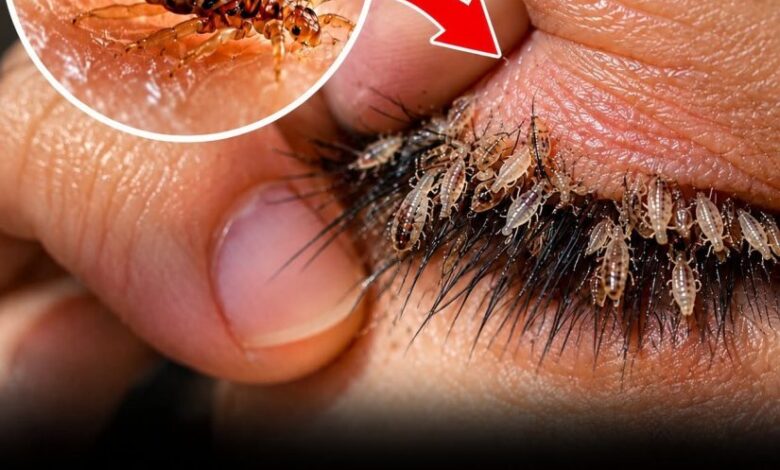
Pubic lice, also known as crab lice, are tiny parasites that live on coarse body hair and feed on small amounts of blood. They most commonly affect the genital area but can also appear in the armpits, chest, beard, eyebrows, or eyelashes.
They usually spread through close physical contact, particularly sexual contact, when lice move from one person’s body hair to another’s. Less commonly, they may spread through recently used towels, clothing, or bedding. Anyone can become infested, regardless of personal hygiene.
Pubic lice are different from head lice, fleas, ticks, and mites, so correct identification is important. A photograph alone cannot confirm an infestation, and other skin conditions or debris may resemble lice or their eggs.
The eggs, known as nits, attach firmly to individual hairs and may look like tiny pale or yellowish specks. They can be difficult to notice without good lighting and close inspection. Some people experience itching and irritation, while others have few noticeable symptoms.
An infestation does not automatically indicate infidelity, poor hygiene, or anything about a person’s sexual history. It also cannot reliably reveal when the lice were acquired or who transmitted them.
If you suspect pubic lice, seek an examination from a healthcare professional or sexual-health service rather than relying only on online photographs. They can confirm the cause and recommend appropriate treatment.
Pubic lice are treatable, and there is no reason to feel ashamed about having them. Prompt assessment, correct treatment, and communication with relevant intimate partners can help resolve the infestation and reduce the risk of spreading it to others.
Understanding the difference between an image and a diagnosis is important. A close photograph may draw attention to something unusual on the skin or hair, but it does not establish what that object is. Pubic lice, their eggs, other parasites, and ordinary debris can be confused with one another. An examination helps establish which explanation applies before a person begins treating the wrong problem.
The location of the suspected infestation also matters when describing the concern to a healthcare professional. Although the name refers to the pubic area, the parasites can affect other coarse body hair. Someone seeking help should describe where the irritation or visible specks appear, rather than assuming that every affected area has the same cause. The purpose is to obtain an accurate assessment and suitable care.
There is also an important distinction between recognizing possible symptoms and making assumptions about another person. Itching, irritation, or visible nits may prompt an examination, but they do not provide a reliable account of when an infestation began. They cannot establish who passed it on. Treating an infestation as proof of betrayal or poor cleanliness can add distress without helping identify or resolve the condition.
Clear communication can therefore focus on the practical concern: a possible infestation that needs confirmation and treatment. Relevant intimate partners may need to know about the situation so that it can be addressed appropriately. The conversation can remain respectful and factual, without attaching blame to a condition that can affect anyone.
For anyone worried after seeing an alarming photograph online, the useful next step is assessment rather than embarrassment. A healthcare professional or sexual-health service can distinguish pubic lice from similar-looking concerns and recommend appropriate treatment. Correct identification, appropriate care, and communication with relevant partners remain the central points.