US and Iran Explore Diplomatic Paths Toward a Possible Agreement
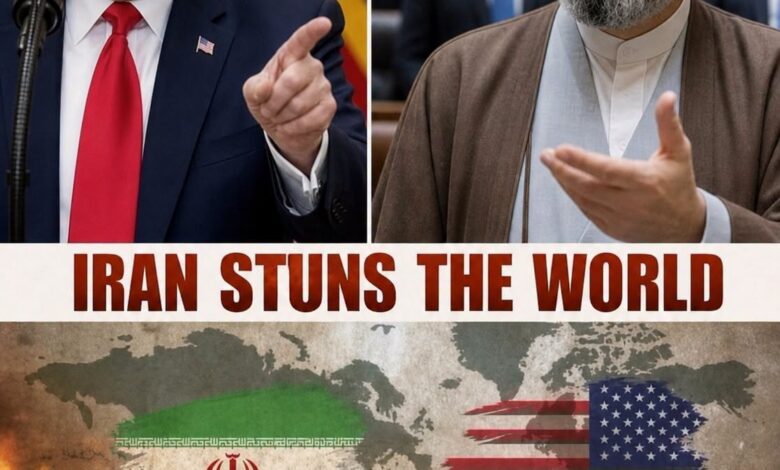
Away from the headlines about missiles and sanctions, a slower, more fragile story is unfolding: two longtime adversaries trying, step by step, to talk without collapsing the room. U.S. leaders frame it as a search for clarity, transparency, and predictable rules. Iranian officials weigh economic relief, regional influence, and a chance to re-enter global markets without appearing weak at home. Regional partners like Qatar quietly shuttle messages, host meetings, and remind both sides that instability costs everyone—businesses, tourists, workers, and governments alike.
Progress will not come in a single dramatic breakthrough, but in a series of small, easily overlooked decisions: a phone call returned, a proposal not rejected, a deadline quietly extended. International organizations and diplomatic coalitions can turn these moments into structures—agreements, inspection regimes, economic frameworks—that outlast any one administration. The disagreements remain real, sharp, and sometimes bitter. Yet as long as channels stay open, there is a path—narrow, uncertain, reversible—toward a more stable relationship that could reshape not just U.S.-Iran ties, but the wider balance of security and prosperity across the Middle East and beyond.
This diplomatic outlook is not an announcement of a signed agreement. The source gives no agreed text, implementation date, or jointly published set of commitments. Its central distinction is between keeping a negotiating route available and reaching a settlement through that route. A possible opening can matter without meaning that either side has accepted the other’s terms or abandoned its existing priorities.
One difficulty is the order in which commitments would take effect. A government seeking reassurance may want verifiable steps before offering concessions. A government seeking relief may resist making those steps without confidence that the promised benefit will follow. The same proposed sequence can therefore look cautious to one side and unreasonable to the other. Working through that disagreement requires detail rather than a declaration that both sides want stability.
Verification presents a related challenge. General language about transparency has to be translated into specific responsibilities, access, reporting, and procedures for resolving disputes. Otherwise, the parties may leave a meeting using the same words while expecting different behavior. A durable framework needs to make disagreement manageable, not assume that disagreement disappears once a document is signed.
Regional intermediaries can help maintain communication when direct contact is politically difficult. Their usefulness lies partly in carrying messages without requiring every preliminary exchange to become a public confrontation. Yet mediation cannot decide the central questions on behalf of Washington or Tehran. Each government still has to judge what it can accept and explain that decision to people who may distrust the process from the outset.
The economic interests mentioned in the source also extend beyond governments. Uncertainty makes planning harder for businesses and for people whose livelihoods depend on a predictable regional environment. That does not mean an exploratory conversation immediately changes trading conditions or removes sanctions. Practical consequences depend on concrete measures, and those measures would need to be distinguished from hopeful descriptions of what negotiations might eventually achieve.
The strongest reason to preserve a diplomatic channel is not that success is assured. It is that communication can provide an alternative to interpreting every action through threats and worst-case assumptions. The route described here remains conditional and reversible. Its importance lies in the possibility of replacing some uncertainty with explicit commitments, while recognizing that only identifiable agreements and their implementation can show how much progress has actually been made.