Urgent Weather Alert Why Communities Must Take Severe Storm Warnings Seriously
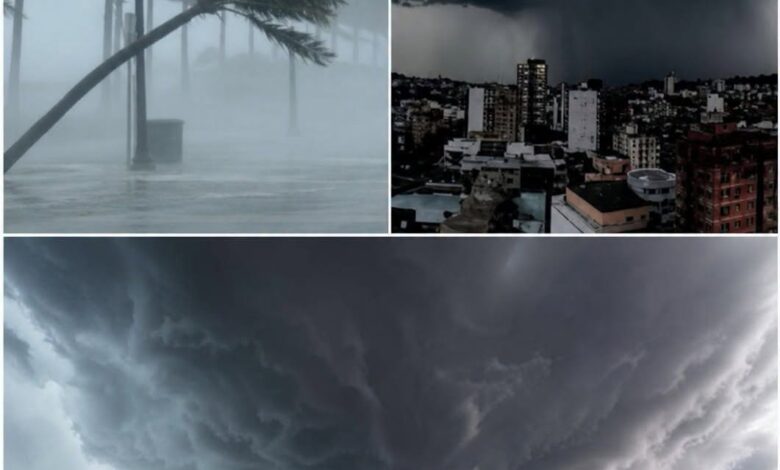
Severe weather can turn a calm afternoon into an emergency within minutes. Powerful thunderstorms develop when warm, moist air meets cooler, drier air and creates instability in the atmosphere. Some systems remain limited, but others intensify rapidly and produce damaging wind, torrential rain, lightning, hail, flash flooding, or tornadoes. The speed of that change is why warnings must be treated as instructions rather than background noise.
Meteorologists use radar, satellites, surface observations, and forecasting models to identify dangerous patterns. Their alerts can provide the few crucial minutes needed to move indoors, reach a shelter, secure loose objects, or leave a flood-prone road. A warning does not mean every address will experience the worst conditions. It means the risk is high enough that waiting to see the danger personally may leave too little time to act.
Strong winds can remove roofs, uproot trees, and bring power lines across streets. Anyone sheltering during a windstorm should move to a small interior room on the lowest safe level, away from windows. Mobile homes and temporary structures offer limited protection in extreme wind, so residents need a sturdier destination identified in advance. Outdoor furniture and other loose items should be secured before the storm reaches the area.
Flooding creates one of the greatest dangers. Heavy rain can overwhelm drainage systems and transform roads faster than drivers expect. Water does not need to look deep to move a vehicle, conceal a washed-out surface, or trap occupants. A barricade or water-covered road should never be treated as a challenge. Turning around protects the driver and prevents emergency crews from being placed at additional risk.
Lightning can strike miles from the center of a storm. Hearing thunder means the danger is close enough to require shelter inside a substantial building or hard-topped vehicle. Trees, porches, open fields, and small shelters do not provide reliable protection. People should remain indoors until the storm has clearly passed instead of returning outside during a brief lull.
Preparedness reduces the number of decisions that must be made under pressure. A household emergency kit should include drinking water, shelf-stable food, flashlights, batteries, medication, phone chargers, and copies of important documents. Family members should know where to shelter, how to communicate if separated, and which reliable local source will provide alerts. Backup power should be used according to safety instructions, with generators kept outdoors and away from windows.
Schools, businesses, and local governments carry the same responsibility on a larger scale. Clear communication systems, practiced shelter plans, and coordination with emergency services allow communities to respond more quickly. People with disabilities, limited transportation, or language barriers may need specific assistance before the weather deteriorates. A plan is strongest when it includes those who cannot simply react at the last minute.
Danger remains after the clouds move away. Downed lines may still be energized, damaged buildings can be unstable, and floodwater may contain debris or contamination. Residents should avoid cleanup hazards, follow official instructions, and photograph damage only from safe locations. Driving around to inspect destruction can block emergency vehicles and expose people to risks they avoided during the storm itself.
Researchers continue to examine how changing climate patterns influence extreme weather, but no debate about a single storm changes the immediate safety steps. Early information, a practiced plan, and respect for official warnings save lives under any long-term trend. Communities recover faster when people prepare before the sirens begin and remain cautious after the final thunder fades.
Warnings work only when people can receive and understand them. Phones should have emergency alerts enabled, but families also need a battery-powered radio or another backup when power and mobile networks fail. Neighbors can check on people who live alone and share verified instructions rather than rumors. Good communication turns a forecast into useful action and helps prevent panic from replacing an organized response.