Understanding the Latest Updates on COVID 19 Vaccination Research
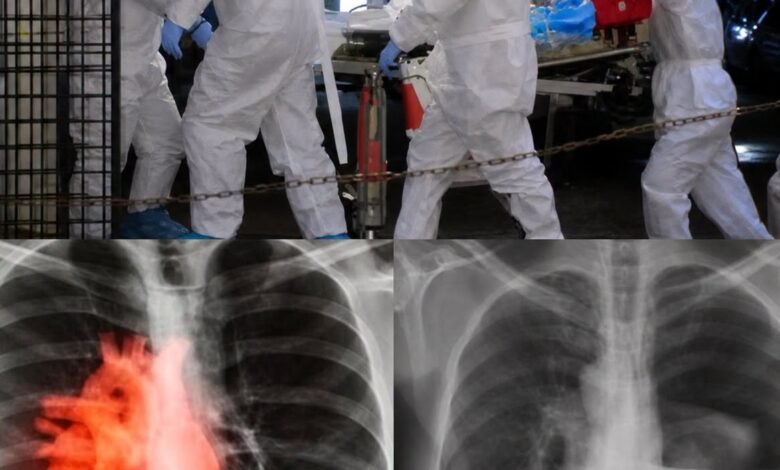
Researchers continue studying why myocarditis appears rarely after some COVID vaccinations and why the pattern is concentrated in particular groups. The question matters because understanding a side effect is the path to reducing it, improving vaccine design, and giving patients clearer information.
Myocarditis is inflammation of the heart muscle. Pericarditis affects the tissue surrounding the heart. Symptoms can include chest pain, shortness of breath, fatigue, or a fast or irregular heartbeat and require medical evaluation.
Safety systems have found a causal association between mRNA COVID vaccines and rare myocarditis or pericarditis cases. They have occurred most often in adolescent and young adult males, commonly within seven days after vaccination, though cases have also appeared in females, other ages, and after different doses.
The FDA’s updated labeling described an estimated unadjusted rate of about eight cases per million 2023 to 2024 formula doses among people from six months through 64 years. Among males aged 12 through 24, the estimate was approximately 27 cases per million doses.
Those figures provide context that a phrase such as heart risk cannot. A rare risk is real and deserves transparent communication, but it does not mean that every vaccinated person has hidden heart damage.
The source describes research examining the immune response to mRNA and the spike protein it encodes. Scientists are exploring whether a heightened response in a small subset of people triggers inflammation in heart tissue.
No single biological pathway has answered every question. Genetics, hormones, age, dose, timing, previous infection, and individual immune differences may all influence susceptibility. Research can narrow the possibilities without claiming that one discovery has completed the story.
Follow-up studies are especially important. Many patients improve with rest and medical care, but some cardiac MRI scans continue showing markers of injury months later. The clinical meaning of persistent imaging changes is not yet fully known.
Regulators have required longer-term studies because symptoms and imaging do not always resolve on the same schedule. Continued monitoring is not evidence that disaster is inevitable. It is how uncertainty is measured rather than ignored.
The comparison with COVID infection also matters. The virus itself can affect the heart and other organs. Personal risk depends on the chance of infection, age, health conditions, immune history, vaccine formula, and the recommendations current in a person’s country.
Researchers hope that a clearer mechanism could guide safer dosing, longer intervals, altered formulations, or different recommendations for groups with the highest observed risk. Vaccine science does not end when the first version reaches the public.
Updated 2026 formulas are selected to better match circulating variants, while safety and effectiveness surveillance continues. That process can change product guidance as both the virus and population immunity evolve.
People should not diagnose myocarditis from anxiety or from a social-media post. New chest pain, breathing difficulty, fainting, or a persistent pounding heartbeat warrants prompt professional assessment, especially after vaccination or infection.
Clinicians consider other possible causes, including active COVID, other viral infections, medication effects, and underlying heart conditions. Timing can raise suspicion, but a proper evaluation is needed to determine what is happening.
Suspected adverse events should be reported through the appropriate national safety system. Reports help identify patterns, while controlled studies and medical records help determine whether an event occurs more often than expected and whether vaccination likely caused it.
Patients who experienced symptoms deserve respectful listening. Dismissing every concern damages trust, while declaring every event proof of a vast hidden danger also distorts the evidence. Honest communication must make room for both benefit and harm.
The newest research sharpens the picture rather than reversing it. Rare myocarditis is a recognized risk that appears most often in younger males after mRNA vaccination. The risk varies, most people do not experience it, and long-term questions remain under study.
Science gains credibility by correcting labels, refining estimates, and changing recommendations when data support change. The goal is not to defend a product from every criticism. It is to identify who benefits, who faces particular risk, and how protection can be delivered more safely.
Anyone making a vaccination decision should use current guidance and personal medical advice rather than a dramatic caption alone. A healthcare professional can consider age, previous reactions, infection history, heart conditions, and local recommendations. The most useful update is that surveillance continues, mechanisms are being investigated, and safety guidance remains capable of changing as evidence grows.