The Hidden Risks of Ignoring a Severe Ankle Sprain
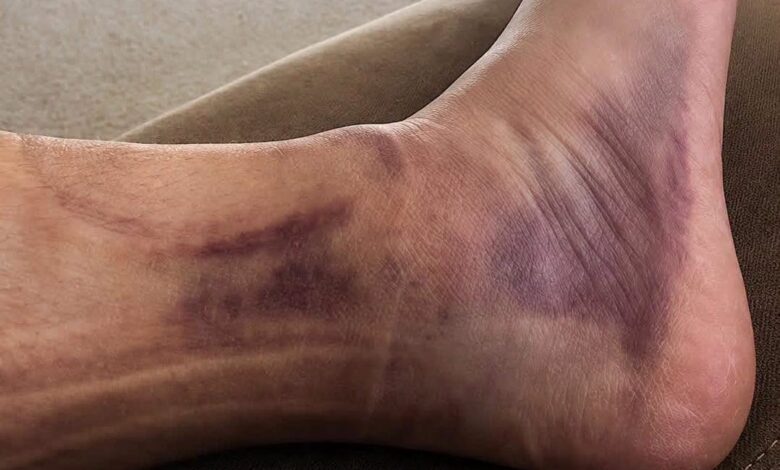
A badly twisted ankle can look like a minor inconvenience at first. Someone may try to finish a walk, continue working, or return to exercise because there is no obvious broken bone. Yet a severe sprain can involve substantial damage to the ligaments that hold the joint steady. Treating it as something to walk off can prolong pain and leave the ankle less dependable during everyday movement.
Ligaments connect bones and help keep the ankle within its normal range of motion. When the foot rolls or twists beyond that range, these tissues can stretch or tear. The injury may be mild, but it can also involve a more extensive tear. The amount of swelling or the appearance of a photograph alone cannot reliably establish how serious the damage is.
Pain, tenderness, swelling, bruising, and difficulty moving the ankle are common warning signs. Some symptoms become more obvious after the initial incident, when the person has stopped moving and the injured area begins to stiffen. A sudden improvement in discomfort does not necessarily mean that the ligament has recovered enough for running, jumping, or a full day on the feet.
An especially painful injury needs assessment when a fracture or another problem is possible. The NHS recommends urgent advice for severe or worsening pain, substantial swelling or bruising, or an inability to put weight on the injury or walk more than a few steps. Numbness, an unusual angle, or a limb that becomes blue, grey, or cold needs emergency assessment. These are reasons to seek care, not tests to try to interpret from a social media image.
Ignoring instability can create a frustrating cycle. The ankle may feel as though it gives way, causing the person to move cautiously or lose confidence on uneven ground. Another awkward step may then produce another sprain. Repeated injuries can make ordinary tasks harder, especially when the person has returned to demanding activity without rebuilding strength, movement, and balance.
Early care generally means protecting the joint and reducing activities that aggravate it. A wrapped cold pack, elevation, and suitable support may help with symptoms, depending on the injury and professional advice. Ice should not be placed directly on the skin. A bandage should not be so tight that it causes tingling, numbness, or a change in the foot’s color. Support is meant to help, not create another problem.
Complete immobility is not a universal recovery plan. Once serious injury has been excluded, gradual movement and a carefully paced return to activity are often part of rehabilitation. The appropriate starting point depends on pain, stability, and the extent of the damage. Someone with a severe injury may need a different plan from a person with a mild twist that is steadily improving.
Rehabilitation is about more than waiting for bruising to fade. The ankle needs enough movement for walking and enough control to respond when the ground changes beneath the foot. Exercises recommended by a physiotherapist can address those needs progressively. Skipping that stage because the joint looks better can leave a person unprepared for the demands of sport or strenuous work.
It helps to describe the injury clearly during an appointment. Explain how the ankle turned, whether a snap or pop was noticed, where the pain is strongest, and how much weight the foot can tolerate. Mention previous sprains and any continuing sense that the ankle might give way. Those details are more useful than assuming that all ankle injuries need the same treatment.
Recovery is not a competition to resume normal life as quickly as possible. A severe sprain deserves attention, a realistic pace, and reassessment if improvement stalls. Taking persistent pain or instability seriously gives the joint a better chance to recover reliably, rather than allowing a single awkward step to become a continuing problem.