The Hidden Biological Trigger: Why Your Heart Might React to the COVID-19 Vaccine
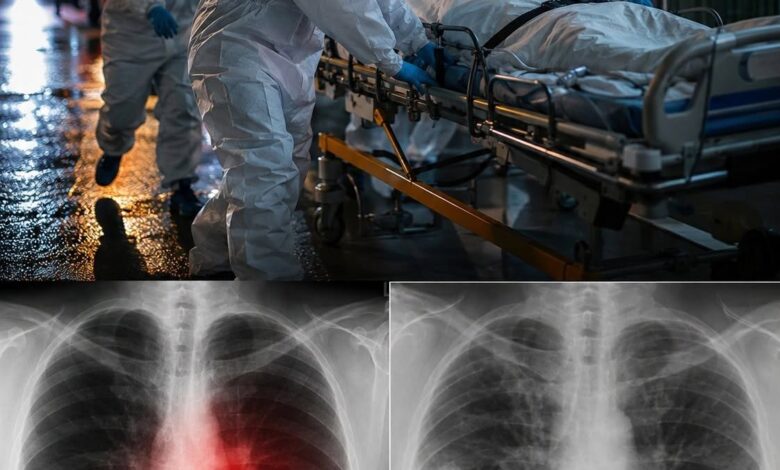
Myocarditis and pericarditis have been observed rarely after COVID-19 vaccination, most often among adolescent and young adult males and usually within a week after an mRNA vaccine dose. Myocarditis is inflammation of the heart muscle, while pericarditis affects the lining around the heart. The symptoms can include chest pain, shortness of breath, and a sensation that the heart is beating rapidly or irregularly.
The reaction is uncommon, but it has been studied closely because even a rare heart-related event deserves careful investigation. Vaccine-safety systems identified the pattern after millions of doses were administered, allowing researchers to compare age groups, sex, vaccine type, and timing. The strongest signal appeared in younger males, particularly after a second mRNA dose, although cases have also occurred in females, other age groups, and after other doses.
Researchers are investigating why a protective immune response becomes excessive in a small number of people. Vaccines work by teaching the immune system to recognize a threat. That process normally creates temporary inflammation and immune activity, which can produce familiar effects such as fatigue, soreness, or fever. In rare myocarditis cases, immune signaling appears to become focused in a way that inflames heart tissue.
The source article points to the signaling molecules CXCL10 and interferon-gamma as possible participants in this process. CXCL10 helps attract immune cells, including T cells, to an area where the body believes a response is needed. Interferon-gamma helps coordinate immune defense. If those signals become unusually strong or remain active in the wrong place, they may contribute to a cycle of inflammation rather than a controlled response.
This possible feedback loop is important because it offers a target for further research. If scientists can identify which immune pathways are elevated in affected patients, they may eventually improve diagnosis, estimate individual risk more accurately, or design treatments that calm harmful inflammation without shutting down the entire immune system. Laboratory findings are an early step, however, and they should not be treated as a routine genetic test or a proven screening method before vaccination.
Most people who receive a COVID-19 vaccine do not develop myocarditis. According to U.S. public-health guidance, reported cases are rare, and most patients diagnosed after vaccination respond well to medication and rest and feel better quickly. That reassuring pattern does not mean symptoms should be ignored. Anyone who develops chest pain, breathing difficulty, or palpitations after vaccination should seek medical care, particularly when symptoms begin during the following week.
Doctors evaluating a possible case may use an electrocardiogram, blood tests such as troponin, inflammatory markers, and imaging. They also consider other causes, including viral infections. Myocarditis existed long before COVID-19 vaccines and can follow many infections. A diagnosis requires clinical evidence; a report of symptoms alone cannot establish the cause.
Risk must be discussed in context. COVID-19 infection itself can affect the heart and produce broader inflammatory complications. The balance between infection risk, vaccine benefit, age, sex, health history, and previous reactions is not identical for every person. Current recommendations can also change as circulating viruses, available vaccines, and evidence change, so individualized questions belong with a qualified clinician.
People who develop myocarditis or pericarditis soon after a vaccine dose should follow medical guidance before receiving another dose. Public-health recommendations generally treat a recent post-vaccination episode as a precaution, and further vaccination may be delayed or avoided depending on recovery and individual risk. A decision should not be made solely from a social-media post.
The continuing research is evidence that safety monitoring is working, not that every vaccinated person carries a hidden heart problem. Rare adverse events become visible when very large populations are followed carefully. Scientists then investigate the mechanism, update guidance, and look for ways to reduce the risk further.
The useful message is neither panic nor dismissal. Myocarditis after vaccination is real but rare. Symptoms deserve prompt evaluation, and potential biological pathways deserve rigorous study. At the same time, claims about a universal trigger or a simple DNA test go beyond what the evidence currently establishes. Accurate information allows people to recognize warning signs and discuss their own circumstances with a medical professional without turning a rare complication into a reason for generalized fear.