The Hidden Architect: Discovering a Mud Dauber Nest in a Hotel Room (And Why Its a Moment of Wonder Not Fear)
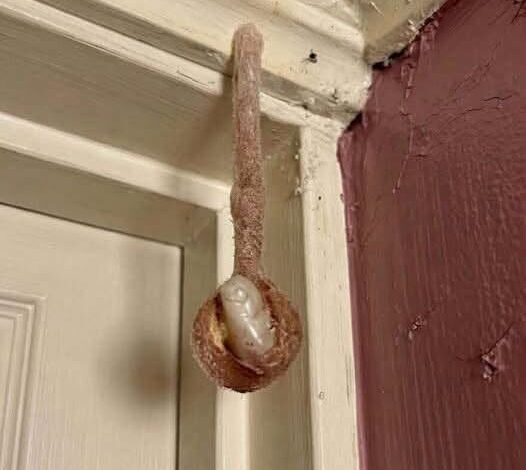
Finding an unfamiliar structure attached to a hotel wall can make any guest freeze. It may resemble dried clay tubes, a lumpy mud patch, or a miniature pipe organ hidden behind a curtain. The object is most likely a mud dauber nest, built by a solitary wasp that gathers wet soil one small load at a time.
Mud daubers differ from the large social colonies people often fear. A female usually builds and stocks her own nest rather than defending a crowded hive. She shapes mud into cells, hunts spiders or other small prey, places them inside as food for developing young, lays an egg, and seals each chamber.
Several species create different architecture. Some build smooth parallel tubes, while others cover cells with an extra layer that forms a rough mound. Old nests may show round exit holes after the young emerge. A broken one can reveal hollow chambers and dried remains that look alarming but explain the structures purpose.
These wasps are generally less defensive than social wasps because they lack a large colony to protect. They can still sting if trapped, grabbed, or handled. A guest should not poke the nest, spray chemicals in a closed room, or break it apart. Anyone with a serious sting allergy should keep extra distance.
The practical response is simple: photograph the object from a safe distance and contact hotel staff. Management can move the guest if needed and arrange inspection or removal. Staff should check screens, vents, gaps, and sheltered exterior areas where a wasp may have entered. Reporting it protects later guests.
An apparently empty nest may contain sealed cells, while an old nest may shelter other small insects. That uncertainty is another reason to leave it undisturbed. A pest professional can identify the structure, decide whether it is active, remove it with protection, and recommend sealing entry points without scattering debris.
How did it appear indoors? A door or window may have remained open during cleaning, or a small gap may connect the room to an exterior ledge. Mud daubers favor quiet protected surfaces where rain cannot wash away their work. A rarely disturbed corner can therefore appear ideal even inside a building.
The discovery also reveals remarkable animal engineering. The builder finds workable soil, mixes it with moisture, carries it repeatedly, and creates a divided nursery without a blueprint. What looks like a random smear is an organized shelter produced through instinct, precision, and patient repetition.
After removal, prevention is mainly maintenance. Repair screens, seal cracks, inspect vents, and check curtains and upper corners regularly. Because mud daubers hunt spiders, their presence may indicate available prey nearby. A broader inspection helps the hotel correct conditions without relying on unnecessary indoor spraying.
Guests should keep children and pets away, avoid blocking an insect if one is present, and let staff manage the room. If a sting occurs and causes trouble breathing, widespread hives, facial swelling, dizziness, or faintness, emergency help is needed. Minor local pain can still be monitored carefully.
Once identified, the mysterious object becomes less frightening: it is not a hidden machine or unknown hotel fixture, but a small earthen nursery. Curiosity is welcome, yet safety and respect come first. Observe from a distance, notify the property, and allow trained people to decide whether the nest is active and how it should be removed.
The hotel should also document where the nest was found and whether housekeeping noticed insect activity elsewhere. A single old structure may be an isolated event, while several fresh nests suggest an entry route that needs repair. Careful records allow maintenance teams to respond proportionately instead of treating every mud mark as a major infestation.
For the guest, the best outcome is reassurance plus practical action. There is no reason to spend the night studying an unknown nest at close range. Staff can provide another room, secure the area, and arrange identification in daylight.