Swollen Feet and Ankles 10 Possible Causes, Warning Signs, and When to See a Doctor
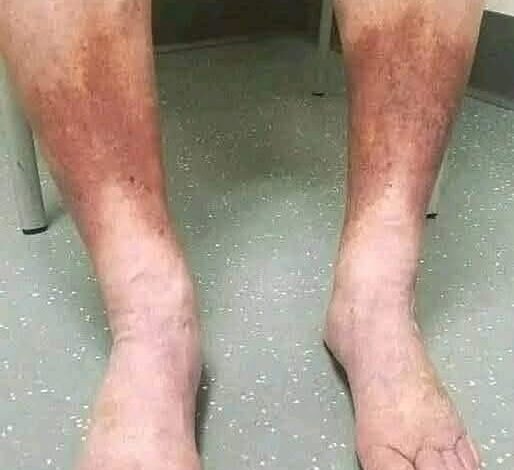
I first noticed the swelling after a long day on my feet. I was in my late fifties, and when I took off my shoes, my feet looked puffier than usual. My ankles seemed to have lost their normal outline, and the elastic from my socks had left deep marks in my skin.
At first, I blamed the amount of time I had spent standing. Then it happened again. The repetition made me wonder whether I was overlooking something, so I started learning about swelling and eventually saw a doctor. In my case, it turned out to be a minor issue, but I learned not to assume that everyone’s swollen ankles have the same explanation.
Edema is the medical term for swelling caused by excess fluid collecting in the tissues. Because gravity affects fluid movement, the feet and ankles are common places to notice it. The appearance can be similar even when the underlying reasons are very different.
The first common cause is staying in one position for too long. Long stretches of standing or sitting can allow fluid to accumulate in the lower legs. Moving regularly and taking breaks from a fixed position may help with mild swelling of this kind, provided there are no concerning symptoms suggesting something else.
Second, pregnancy can bring fluid retention and swelling. Gradual swelling may occur, but sudden swelling should not automatically be dismissed as normal. In pregnancy or after birth, an abrupt change—especially with a severe headache, visual changes, breathing difficulty, or feeling very unwell—needs urgent medical attention.
Third, a high salt intake can contribute to fluid retention. Looking at the overall pattern of meals and packaged foods may be useful, rather than concentrating only on the salt added at the table. Dietary advice should still fit a person’s medical needs, particularly if they already have heart or kidney disease.
Fourth, an injury can make one foot or ankle swell. A sprain, strain, or fracture may be involved. The degree of pain, the ability to bear weight, and the circumstances of the injury matter. Significant pain, deformity, or difficulty walking calls for assessment rather than assuming that rest alone will be enough.
Fifth, heat can make swelling more noticeable. Blood vessels widen in warm conditions, and some people find their shoes feel tighter after a hot day. Staying cool and avoiding prolonged immobility can help with mild symptoms, but heat should not become an automatic explanation for sudden or severe swelling.
Sixth, excess body weight can place additional pressure on veins and make circulation in the legs less efficient. Any plan to address that should be realistic and individualized. Swelling is not a reason to shame someone about their body, nor is body weight a reason to skip looking for other possible causes.
Seventh, some medicines can cause ankle or foot swelling. The timing of a new prescription or dose change may be useful information for a clinician. I learned that suspected side effects should be discussed rather than handled by abruptly stopping treatment.
Eighth, venous insufficiency can make it harder for blood to return effectively from the legs toward the heart. Some people benefit from compression, but stockings should be selected with appropriate advice. New unexplained one-sided swelling needs assessment before it is treated as a familiar circulation problem.
Ninth, heart failure can cause fluid to collect in the legs. Swelling accompanied by breathlessness is especially important to take seriously. This is not something to diagnose from sock marks, but neither is it something to manage solely with a home remedy.
Tenth, kidney disease can interfere with the body’s ability to remove excess fluid. A person with known kidney problems, or persistent swelling without a clear explanation, should seek medical guidance. The same applies when there is a history of significant heart or liver disease.
The warning signs were the most useful part of what I learned. Sudden, severe, painful, red, hot, or unexplained one-sided swelling needs prompt assessment. A blood clot or infection may be among the possibilities. Swelling together with chest pain, difficulty breathing, coughing blood, or faintness is an emergency; call emergency services.
For mild swelling without warning signs, regular movement, avoiding long periods in one position, comfortable footwear, and raising the legs may help. Advice about fluids, salt, or compression should be tailored to existing conditions. Do not massage a leg when a clot is possible, or use home measures to delay urgent care.
My own doctor’s reassurance mattered because it followed an assessment, not a guess. The lesson I kept was simple: swollen feet can have an ordinary explanation, but a recurring or changing pattern deserves attention. Noticing when it happens and what comes with it is a better starting point than assuming that every swollen ankle tells the same story.