SOTM Deceased Country Music Artist And Storyteller Found
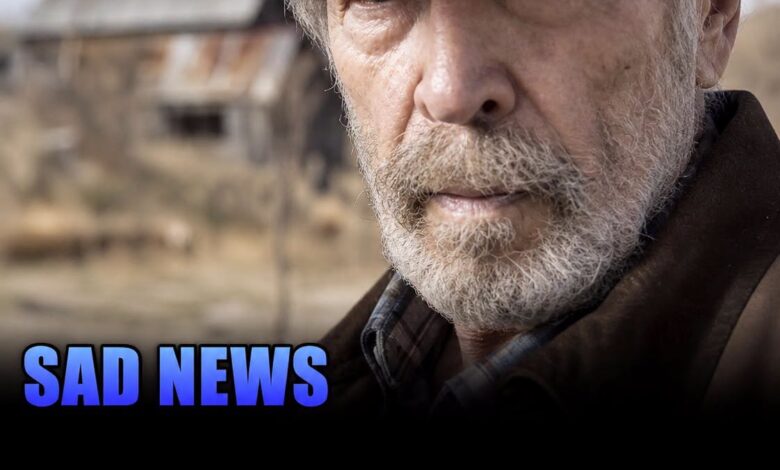
Kinky Friedman was never easy to reduce to one description. He was a country musician, novelist, satirist, political candidate, animal advocate, and distinctly Texas storyteller. News of his death left admirers mourning a man who could provoke anger and laughter in the same sentence while refusing to smooth the edges that made his work unmistakably his own.
Born Richard Friedman, he embraced a nickname and public identity that gave him room to challenge polite expectations. With his band, Kinky Friedman and the Texas Jewboys, he used country music as satire. The songs could be funny, confrontational, and intentionally uncomfortable, forcing listeners to decide whether they were hearing a joke, a criticism, or both.
His humor sometimes offended, and he rarely pretended otherwise. Friedman believed satire should take risks and expose hypocrisy rather than simply reassure an audience. That approach earned devoted fans and determined critics. Even people who disliked particular songs often recognized that he was not manufacturing controversy through a marketing department. The provocation came directly from his voice and worldview.
Music was only one part of his storytelling. Friedman wrote mystery novels featuring a fictionalized version of himself, blending crime plots with observations about New York, Texas, friendship, and human absurdity. The books allowed his wandering commentary to become part of the mystery. Readers returned as much for the narrator’s company as for the solution.
His Texas identity was affectionate and argumentative. He celebrated the state’s independence and characters while criticizing its contradictions. He could sound like a proud ambassador one moment and an exasperated relative the next. That tension gave his work a sense of place that could not be separated from the dusty roads, bars, ranches, and political theater he described.
Friedman eventually entered that political theater himself, running for governor of Texas as an independent. The campaign mixed serious proposals with the humor people expected from him. Some voters treated it as performance, but his candidacy also reflected frustration with conventional politics. He spoke to people who believed the major parties had become predictable and distant.
Away from stages and campaigns, he cared deeply about animals. His support for rescue work revealed a gentler side that was always present beneath the abrasive public image. Compassion and irreverence were not opposites in his life. He could direct sharp language toward powerful institutions while showing patience to vulnerable creatures needing a home.
The phrase storyteller may describe him better than any individual job. Whether using a song, novel, speech, or conversation, Friedman understood rhythm and character. He knew when to stretch a detail, when to interrupt solemnity, and when a joke could reveal something a formal argument would miss.
His death makes Texas feel quieter because his voice was built to resist quiet. It was nasal, amused, defiant, and immediately recognizable. The state still has musicians and provocateurs, but few move between art, politics, and literature with the same disregard for boundaries.
Kinky Friedman leaves work that will continue to start arguments. That is an appropriate legacy for someone who preferred a difficult reaction to polite indifference. He made people laugh, wince, think, and occasionally reconsider what country music or a Texas public figure was allowed to be. The man is gone, but the stories remain restless, unwilling to sit silently in any approved category.
Friends remembered that the theatrical personality did not erase the private man. Behind the cigar, hat, and cutting lines was someone loyal to people and causes he cared about. That combination explains why tributes came from musicians, readers, animal rescuers, political observers, and Texans who may have argued with him for years but never doubted that the state had lost an original.