SOTD Did You Know That If a Hummingbird Comes to Your Home It Means Something Special?
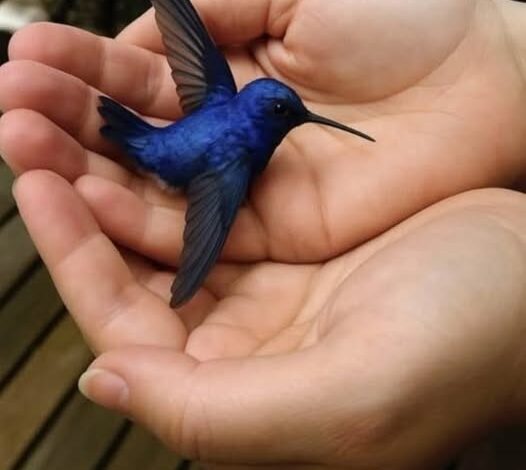
A hummingbird arriving near a home can feel like a private message. The bird appears as a flash of color, hovers almost impossibly in one place, and vanishes as quickly as it arrived. Across cultures and personal traditions, people have interpreted that moment as a sign of hope, renewal, persistence, or a continuing connection with someone who has died.
There is no scientific evidence that a hummingbird visit predicts a future event. The meaning comes from human belief and emotion, not from a rule of nature. That does not make the experience worthless. A symbol can matter deeply without functioning as a supernatural forecast.
For someone recovering from a difficult period, the bird’s energy may represent resilience. Hummingbirds have extremely rapid wingbeats and high metabolic demands. Their ability to hover and move in several directions makes them appear both delicate and extraordinarily capable.
People who are grieving sometimes interpret the visit as a greeting from a loved one. The bird’s brief nearness can interrupt sadness and create a moment of comfort. It may remind someone of a person who loved birds, maintained a garden, or used hummingbird images in cards and gifts.
Other traditions connect hummingbirds with joy, adaptability, and the importance of appreciating small things. Because the encounter is brief, it encourages attention to the present. A person who has spent days distracted by worry may suddenly stop, watch, and feel wonder.
The biological explanation is more straightforward. Hummingbirds visit homes because they are searching for nectar, insects, water, shelter, or a suitable route through their territory. Bright tubular flowers attract them, as do properly maintained feeders. Red colors can catch their attention, although red dye should not be added to feeder solution.
A simple feeder mixture is typically made with one part plain white sugar to four parts water. Honey, artificial sweeteners, brown sugar, and food coloring should not be used. Feeders require frequent cleaning because warm sugar water can grow mold or ferment, potentially harming the birds.
Native flowering plants provide a more complete habitat. Species suited to the local climate can offer nectar while also supporting insects that hummingbirds eat for protein. Shrubs and trees provide perches, cover, and nesting opportunities.
If a hummingbird flies inside a house, the priority is helping it leave safely. People should turn off ceiling fans, keep pets away, close doors leading deeper into the building, and open the widest exterior exit. Curtains or blinds on other windows can be closed so daylight guides the bird toward the correct opening.
Chasing or grabbing the bird can cause injury and exhaustion. A hummingbird trapped for an extended period may need help from a licensed wildlife rehabilitator. Its presence indoors is not an omen of death or disaster; it is usually a navigation mistake.
The emotional and natural explanations can coexist. Understanding why the bird came does not remove the beauty of the moment. A flower attracted it, but the observer may still receive comfort, motivation, or a reason to remember someone important.
The source article presents the hummingbird as a sign that heaviness may be lifting and life can still offer grace. The strongest version of that idea avoids making promises. The bird cannot guarantee that circumstances will improve, but it can remind a person to notice what remains alive, colorful, and unexpected.
Whether viewed as a spiritual symbol, a memory, or a remarkable wild animal, the hummingbird asks for the same response: pause, observe, and protect it. Sometimes the special meaning is not a prediction carried to the door. It is the change that occurs inside the person who stops long enough to watch.