Sister Speaks About the Man Believed to Be in 9/11s Falling Man Photo 25 Years Later
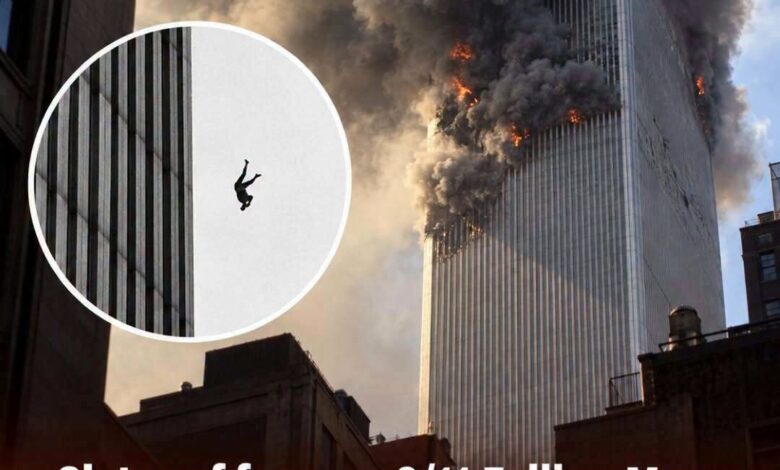
At 9:41 a.m. on September 11, 2001, Associated Press photographer Richard Drew captured a man falling from the World Trade Center. In one frame, the man’s body appeared almost perfectly vertical against the lines of the building. The photograph became known as “The Falling Man,” one of the most recognized and debated images from the attacks.
Several newspapers published the picture soon afterward, but many withdrew it after readers said it was too painful. Nearly 3,000 people died that day, and the image forced viewers to confront the individual terror inside a catastrophe usually described through smoke, collapsing towers, and enormous numbers.
The man’s identity has never been officially confirmed. Journalists examined photographs, clothing, physical characteristics, employment records, and testimony from relatives. Early attention focused on Windows on the World pastry chef Norberto Hernandez, but his family strongly rejected the suggestion that he was the person in the photograph.
Writer Tom Junod later studied the sequence Drew had taken and noticed what appeared to be an orange shirt beneath the man’s work clothes. That detail, along with the person’s height, shoes, and likely location inside the building, led investigators toward another Windows on the World employee: 43-year-old sound engineer Jonathan Briley.
Briley stood about six feet five inches tall, wore black high-top shoes, and was known to wear an orange shirt under his uniform. His widow had already packed away his clothing, preventing a definitive comparison. The evidence created a possibility, not a formal identification.
Twenty-five years later, Jonathan’s sister Gwen Briley-Strand continues to speak about the man her brother was before the attacks. Jonathan had asthma, played gospel piano while growing up, and had been ordained a deacon only six months before his death. The week before September 11, he unexpectedly joined Gwen and her husband on a Florida vacation, giving them one final period together.
Gwen rejects attempts to judge those who fell or jumped from the towers. People trapped above the impact zones faced fire, smoke, unbearable heat, and dwindling air. She believes their spirits were caught in circumstances no outsider can fully understand. For her, compassion matters more than arguments about how any person spent those last moments.
The possibility that Jonathan is the man in the image has not reduced him to it. His family remembers his music, faith, humor, relationships, and work. The photograph may record the end of a life, but it cannot contain the life that came before it.
Drew has also defended the photograph. He did not realize he had captured the precise frame until reviewing a rapid sequence afterward. He regards the image not simply as a picture of death but as a record of one person during the final moments of his life. That view has helped shift discussion from shock toward remembrance and dignity.
Families affected by a disaster must handle practical burdens alongside grief. Insurance claims, mortgages, estate documents, legal questions, and employment records demand attention while relatives are still absorbing the loss. None of that paperwork can settle the emotional questions left behind or determine how a loved one should be remembered.
Gwen still watches anniversary coverage. Some years the grief feels manageable; in others, it arrives with the same force as before. She also sees the unidentified man as representing thousands of families whose loved ones faced impossible circumstances and whose final moments may never be known.
The mystery may never be resolved. Clothing and physical details can support an identification, but they cannot provide certainty after so much evidence was destroyed. For Jonathan Briley’s family, the most important truth is larger than a name attached to one photograph. He was a brother, husband, musician, deacon, and colleague, and the meaning of his life cannot be confined to the way it ended.