Severe Storm Line Races Toward Town as Preparation Window Closes
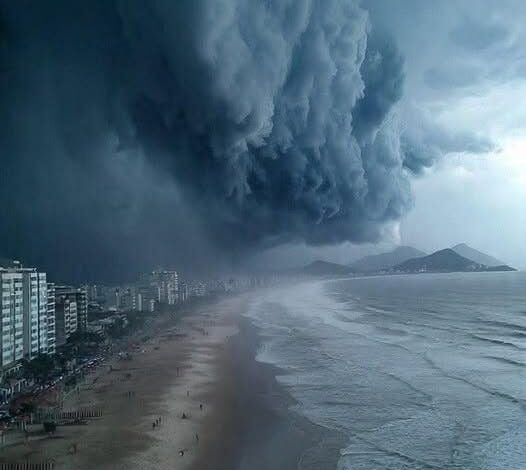
A fast moving line of severe thunderstorms is approaching populated areas, leaving residents with a narrowing window to prepare. Radar shows a strong band capable of producing damaging wind, intense rain, frequent lightning, and rapidly changing conditions. A calm street can become dangerous within minutes when the leading edge arrives.
Officials are urging people not to treat the warning as background noise. Severe storms can bring branches down across roads, damage roofs, interrupt power, and overwhelm drainage systems. Some neighborhoods may experience the worst conditions while nearby areas receive only heavy rain, but no one in the warned path should assume the storm will miss them.
The most important step is moving indoors before the wind and lightning begin. A sturdy building provides better protection than a vehicle, porch, shed, or open shelter. Inside, residents should stay away from windows and choose an interior room on a lower floor if destructive wind is possible.
People outdoors should not wait for rain to seek cover. Lightning can strike miles from the heaviest part of a storm. Sports fields, beaches, hilltops, isolated trees, metal fences, and open water become especially dangerous. When thunder can be heard, the safest choice is already to be inside.
Driving creates another major risk. Heavy rain can reduce visibility almost instantly, while wind pushes vehicles across lanes and broken branches block routes. Motorists should postpone unnecessary trips. Anyone already on the road should slow down without stopping in an active lane, increase following distance, use headlights, and avoid flooded sections.
Water depth is difficult to judge in darkness or moving rain. A road that looks passable may be washed out below the surface, and even relatively shallow moving water can carry a vehicle away. Turning around is safer than testing the current. Emergency crews should not have to risk their lives rescuing someone from a route already covered by water.
Power outages are possible when wind brings trees or lines down. Phones, portable batteries, and medical devices should be charged now. Flashlights are safer than open candles. Families should know where medication, water, shoes, and essential documents are located in case they need to move quickly after the storm.
People who depend on powered medical equipment need a specific backup plan. They should contact their provider or emergency service before an outage becomes a crisis. Older neighbors, people with disabilities, and anyone living alone may need help receiving warnings or reaching a safer room.
Outdoor objects can become projectiles. Chairs, umbrellas, decorations, tools, bins, and toys should be secured or brought inside if it can be done safely before the storm arrives. Vehicles can be moved away from large trees, but no one should remain outdoors once lightning or strong wind begins.
Pets need protection as well. Bring animals indoors and keep leashes or carriers nearby. Thunder can cause frightened dogs to bolt through an open door or damaged fence. Identification and microchip details should be current in case a pet escapes during the confusion.
Weather apps and social media are useful, but residents should rely on official alerts and local broadcasters for the most important instructions. Radar changes quickly, and screenshots shared online may already be outdated. Keep phone alerts active and use a battery powered radio if one is available.
When the first gust reaches the area, preparation time is over. Families may hear branches break, transformers fail, or hail strike the roof. Remaining in the chosen safe place until the warning expires is wiser than stepping outside during a temporary lull. Another strong section of the line may follow.
After the storm passes, hazards remain. Fallen wires should always be treated as live. Damaged trees can shift without warning, floodwater may contain contamination, and generators can cause deadly carbon monoxide poisoning if operated indoors or near windows.
The storm line will eventually move on, but the consequences will depend partly on decisions made before it arrives. A charged phone, a postponed drive, a secured yard, and ten minutes spent in an interior room may seem small. During severe weather, those choices can separate an inconvenience from a tragedy.