Remembering Robert Duvall: Celebrating the Life and Legacy of an Oscar Winning Hollywood Icon
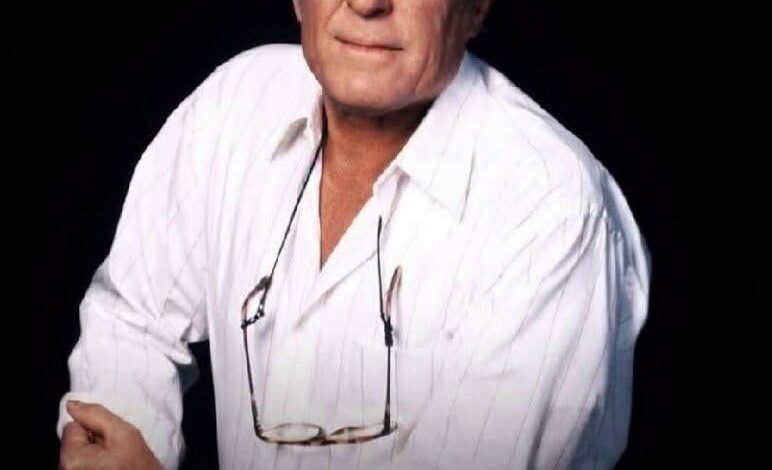
Robert Duvall, the Oscar winning actor whose remarkable range shaped some of the most enduring films and television productions of the last six decades, died on February 15, 2026, at the age of 95. His wife, Luciana Pedraza Duvall, said that he died peacefully at their home in Virginia with her beside him.
Duvall built a career from close observation and disciplined restraint. He rarely appeared to be demonstrating technique, even when a role required intense emotional control. Directors and fellow actors admired his ability to make a character seem to exist beyond the written scene, complete with habits, private thoughts, and a history the audience could sense without hearing it explained.
Many viewers first remember him as Tom Hagen, the calm and calculating consigliere in The Godfather and The Godfather Part II. Surrounded by explosive personalities and family conflict, Duvall created power through quiet attention. Hagen’s controlled manner made every small shift in expression significant, helping the character stand beside some of cinema’s most famous performances without imitating them.
In Apocalypse Now, Duvall moved to the opposite extreme as Lieutenant Colonel Bill Kilgore. The officer’s confidence, theatricality, and terrifying detachment became central to the film’s vision of war. Duvall could deliver an outsized line while still suggesting that the character considered his behavior entirely normal. That combination made Kilgore both entertaining and deeply disturbing.
His greatest leading achievement came in Tender Mercies, where he played Mac Sledge, a broken country singer attempting to rebuild his life. The performance avoided sentimental shortcuts. Duvall learned the music, sang the songs, and allowed the character’s regret to emerge gradually. The role earned him the Academy Award for best actor and confirmed that understatement could carry an entire film.
Television audiences also treasured his portrayal of Augustus McCrae in the miniseries Lonesome Dove. As the witty former Texas Ranger, Duvall balanced humor, loyalty, appetite, and sorrow. The performance became inseparable from the beloved character and introduced his work to viewers who might not have followed every film.
His credits extended across genres and generations. He appeared in To Kill a Mockingbird, MASH, Network, The Great Santini, The Natural, Colors, Days of Thunder, A Civil Action, Open Range, Crazy Heart, and The Judge. Whether playing a father, lawman, preacher, criminal, athlete, or rancher, he searched for specific behavior instead of relying on a familiar star persona.
Duvall was born in San Diego in 1931 and grew up in a military family. His route into acting was not immediate or glamorous. He served in the United States Army, studied performance, and spent years working in theater and television before film audiences fully recognized him. That gradual development may have contributed to the patience and seriousness he brought to later roles.
He also directed and produced, most notably creating projects that reflected his interest in regional American life, music, faith, and complicated families. The Apostle, which he wrote, directed, and starred in, gave him one of his richest roles as a charismatic preacher struggling with guilt and redemption. It represented the kind of personal, character centered storytelling he valued.
Across his career, Duvall received an Academy Award, an Emmy, Golden Globes, and numerous nominations, but his influence cannot be summarized by prizes. Actors studied his listening, his physical detail, and his refusal to decorate a moment unnecessarily. He showed that stillness could be powerful and that a supporting performance could define the atmosphere of a film.
His death closes an extraordinary chapter in American acting. Robert Duvall moved easily between classics, westerns, crime stories, war films, and intimate dramas because he approached each character as a complete human being. The famous lines and scenes remain, but his deeper legacy is the truth he found inside them.