Pfizer Provides Critical COVID Vaccine Update What It Means for You
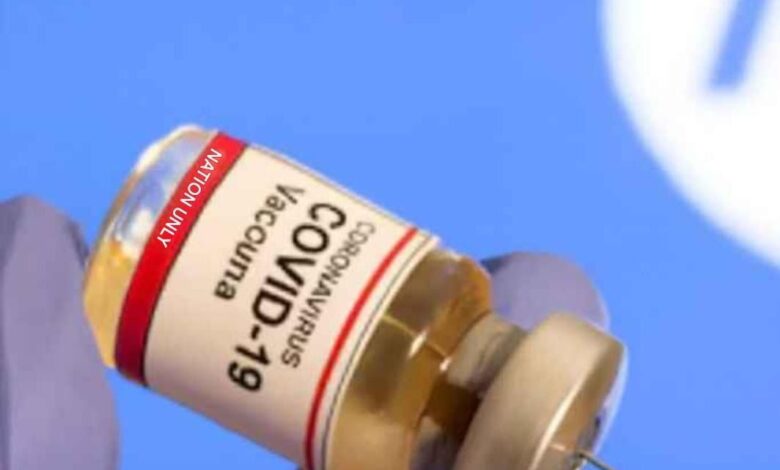
COVID vaccines were introduced during an emergency that demanded speed, scale, and constant evaluation. Millions of people received them with only brief reactions, while safety systems continued collecting reports and comparing health patterns across enormous populations.
That monitoring has produced a more detailed picture than either the claim that every dose is risk free or the claim that vaccination inevitably causes severe harm. Like other medical products, COVID vaccines have benefits, known side effects, rare serious risks, and questions that require long-term study.
Myocarditis, an inflammation of heart muscle, and pericarditis, an inflammation of the tissue surrounding the heart, have been linked to mRNA vaccination in rare cases. The pattern has appeared most often in adolescent and young adult males, generally within a week after a dose.
The FDA updated vaccine labeling in 2025 to describe newer estimates. Its analysis of the 2023 to 2024 formula estimated roughly eight cases of myocarditis or pericarditis per million doses among people from six months through 64 years, with a higher estimate of about 27 cases per million doses among males aged 12 through 24.
Those numbers describe an observed rate within a defined period, not a prediction for every person. Age, sex, dose history, vaccine formula, underlying health, prior infection, and the time between doses can all affect an individual’s risk.
Most vaccinated people experience only temporary symptoms such as soreness at the injection site, fatigue, headache, chills, muscle aches, or fever. Severe allergic reactions are rare but require immediate treatment when they occur.
People should know the warning signs that deserve prompt medical attention. Chest pain, shortness of breath, or a feeling of a fast, pounding, or fluttering heartbeat after vaccination should be assessed by a clinician, especially when symptoms develop during the first week.
Safety monitoring does not end when a product is authorized. Regulators analyze insurance claims, hospital records, active surveillance networks, clinical reports, and systems such as VAERS. A report alone does not prove that a vaccine caused an event, but patterns across many reports can trigger focused studies.
Follow-up research has examined people diagnosed with post-vaccination myocarditis. Many improve with rest and medical care, though cardiac imaging can remain abnormal in some patients after symptoms ease. The long-term meaning of every imaging finding is still being studied.
Other reported concerns require the same careful distinction between a symptom occurring after vaccination and one caused by vaccination. Menstrual changes, blood-pressure changes, neurological symptoms, and allergic reactions have all been investigated with different levels of evidence.
Large-scale data are valuable because rare events may not become visible in smaller trials. A study covering tens of millions of people can detect patterns that occur only a few times per million doses. It can also show when an alarming anecdote does not appear more often than expected in the wider population.
Recommendations can change as that evidence develops. Authorities may adjust eligible ages, dose spacing, product choice, warnings, or monitoring. These changes do not necessarily mean earlier information was deliberately hidden. They reflect a system learning from larger and longer experience.
Risk must also be compared with the disease the vaccine is intended to prevent. COVID infection can cause hospitalization, blood clots, heart inflammation, lung damage, and persistent symptoms. The balance between infection risk and vaccine risk differs by age, health, prior immunity, and the amount of virus circulating.
That is why an individual decision belongs in a conversation with a qualified healthcare professional. A person with previous myocarditis, a severe allergy, a complex medical history, or a past vaccine reaction may need advice tailored to those circumstances.
Anyone who believes a serious reaction occurred deserves to be heard and evaluated without ridicule. Accurate safety communication depends on patients reporting symptoms and clinicians documenting them. Respecting those experiences is compatible with demanding good evidence about cause.
The critical update is not a confession that every vaccinated person faces hidden catastrophe. It is a more precise acknowledgment of rare risks, the groups in which some risks appear more often, and the questions that remain under study.
Medical knowledge becomes more trustworthy when uncertainty is made visible. Clear numbers, updated labels, ongoing surveillance, and honest conversations allow people to weigh benefits and risks without slogans. The strongest message is neither blind reassurance nor automatic fear. It is that monitoring continues, guidance evolves, and personal concerns should be discussed with professionals who can interpret the evidence in context.