Over 200 People Are Killed by the Worlds Deadliest Food Every Year but Almost 500 Million People Still Eat It
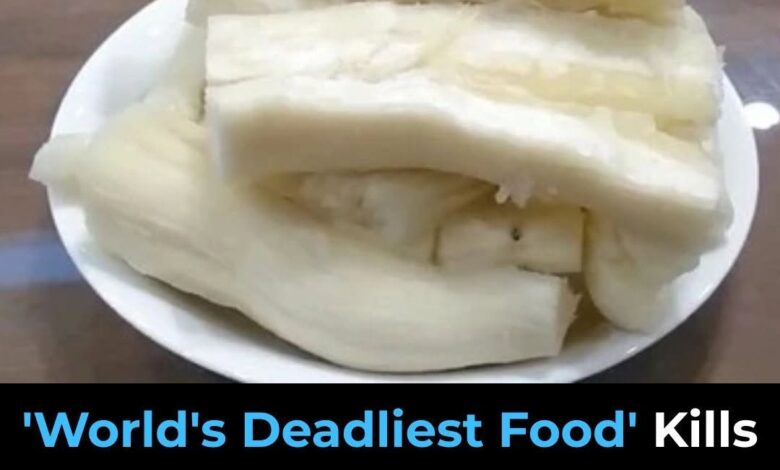
Cassava feeds hundreds of millions of people, yet the plant can release cyanide when it is prepared incorrectly. That combination of enormous importance and genuine danger explains why it has been described as the world’s deadliest food even though families eat it safely every day across many regions.
The crop originated in South America and became a major source of carbohydrates in tropical climates. Its roots tolerate poor soil and drought better than many alternatives, making cassava especially valuable where farming conditions are difficult and other staple crops may fail.
Nearly 500 million people include cassava in their diets, and hundreds of millions of tons are grown each year. The root can be boiled, fried, fermented, dried into flour, or processed into products such as tapioca. Leaves are also eaten in some cuisines after careful preparation.
The danger comes from cyanogenic glucosides naturally present in the plant. These compounds help defend cassava against animals and insects. When plant tissue is damaged and the compounds break down, hydrogen cyanide can be released. The peel, leaves, stems, and certain bitter varieties can contain particularly concerning levels.
Improper preparation can cause acute cyanide poisoning. Symptoms may include headache, dizziness, vomiting, weakness, confusion, breathing difficulty, and collapse. A severe exposure is a medical emergency, not something to treat with a home remedy.
The source report cites an estimate of more than 200 deaths a year linked to improperly prepared cassava. The exact burden is difficult to count because cases often occur in rural areas with limited medical testing, and symptoms may be attributed to other illnesses.
Long-term exposure can also cause devastating harm. Konzo is an irreversible neurological condition marked by sudden weakness and paralysis in the legs. It has been associated with heavy consumption of insufficiently processed bitter cassava, especially when diets are low in protein and communities are experiencing famine, conflict, or extreme poverty.
Those conditions matter because safe preparation takes time, water, fuel, and knowledge. During a food crisis, a family may shorten soaking or fermentation because they are hungry. Displacement can separate people from the traditional methods normally passed between generations. Drought can reduce water available for processing.
Safe preparation varies by cassava type and local food tradition. Common methods include peeling, grating, soaking, fermenting, drying, and thorough cooking. Some processes take many hours or several days. The liquid and waste produced during preparation should also be handled carefully because they can contain toxic compounds.
Simply tasting a small amount is not a reliable safety test, and raw cassava should not be treated like an ordinary snack vegetable. Consumers who buy fresh roots or flour should follow instructions from knowledgeable local producers and public-health authorities. Imported packaged products prepared by reputable manufacturers have generally undergone the required processing.
Cassava’s continued use is not proof that people are ignoring danger. It is evidence that communities have developed effective knowledge for turning a risky plant into a dependable staple. Similar relationships exist with other foods that require cooking, fermentation, or removal of toxic parts before they become safe.
The larger lesson is about food security. Calling cassava deadly without explaining poverty and processing can stigmatize a crop that helps millions survive. At the same time, dismissing the risk leaves vulnerable communities exposed. Safe water, nutrition education, adequate protein, resilient farming systems, and access to medical care reduce the danger far more effectively than a frightening label alone.
Cassava can be nourishing, versatile, and safe, but only when preparation is respected. The plant’s global importance and its cyanide risk are both true. Understanding both facts allows people to appreciate the food without underestimating the knowledge and care required before it reaches the plate.