Newt Gingrich Calls Public Distrust in Government Dangerous and Concerning
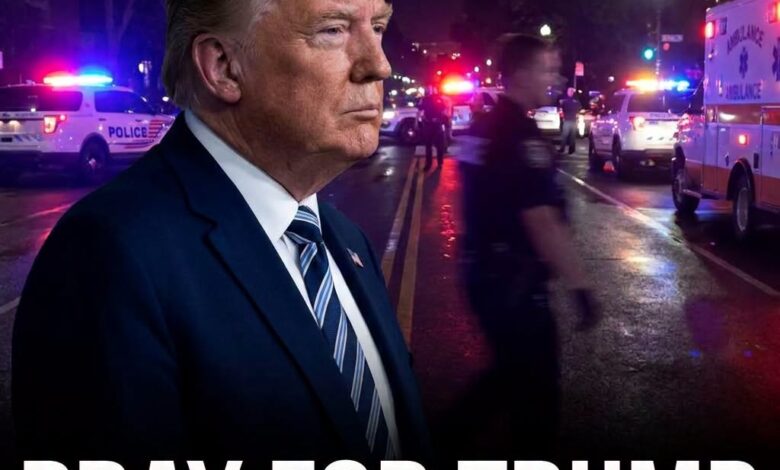
The anger is already here. Newt Gingrich says 82% of Americans now believe their own system is corrupt—and he’s calling that “dangerous” for the survival of freedom itself. In his telling, Trump isn’t breaking America; he’s breaking a rigged machine. Democrats, he warns, are defending the very bureaucracy people despise.
Gingrich’s argument rests on a brutal, simple picture: a country that believes its government no longer works for ordinary people. If 82% really see the system as corrupt, then politics stops being a polite disagreement over policy and becomes a raw struggle over legitimacy. In that climate, Trump’s attacks on “the swamp” sound less like chaos and more like overdue demolition to millions of voters.
He paints Democrats as guardians of a wasteful, insulated bureaucracy—leaders celebrating “every day gets better” while workers lose jobs and basic services stall. That contrast, he insists, will define coming elections: a “big government socialist” vision clustered in elite enclaves versus a populist promise of peace and disruption. Whether one believes Gingrich or not, his warning is clear: a party that shrugs off this level of public distrust isn’t just misreading the moment; it may be walking straight into an electoral ambush.
The force of Gingrich's argument comes from the connection he draws between public confidence and political authority. He treats distrust as more than dissatisfaction with a particular policy. In his account, the issue is whether citizens believe the institutions making decisions still act on their behalf. Once that belief weakens, familiar political language can acquire a different meaning. Promises to disrupt established arrangements may appeal precisely because those arrangements are no longer seen as trustworthy.
His interpretation also explains why he places such emphasis on the contrast between official optimism and everyday frustration. A message that conditions are improving may fail to persuade people who feel that their own circumstances have been ignored. Gingrich presents that gap as a political vulnerability. He argues that defending the existing system can become difficult when voters increasingly associate it with insulation, waste, and a lack of accountability.
That remains his assessment of the political landscape. The percentage he cites and the conclusions he draws from it belong to the argument he is making. The central warning is directed at those he believes are underestimating public anger. In his telling, the danger comes from assuming that dissatisfaction will remain a manageable background condition rather than become the defining issue of an election.
Trump's role in that argument is the role of a challenger to an established order. Gingrich describes disruption as a response to a system that many voters already consider compromised. People who accept that interpretation may hear an attack on bureaucracy as a promise of change. People who reject it may see the same rhetoric very differently. The disagreement concerns both the condition of government and what kind of response that condition requires.
The article's closing warning therefore returns to a question of political judgment. Gingrich believes a party can misread the public mood by treating institutional defense as an adequate answer to widespread distrust. His argument asks whether leaders recognize the depth of that dissatisfaction and whether their language responds to it. The tension between reassurance and disruption is left at the center of the coming electoral struggle he describes.