Little Known Mistakes and Bloopers in Petticoat Junction
For many viewers, Petticoat Junction remains a warm trip back to a gentler style of television. The Shady Rest Hotel, the Hooterville Cannonball, Kate Bradley, Uncle Joe, and the three Bradley sisters created a world that felt wonderfully removed from modern pressure. Yet the familiar episodes also contain continuity errors, production shortcuts, and behind the scenes stories that are easy to miss.
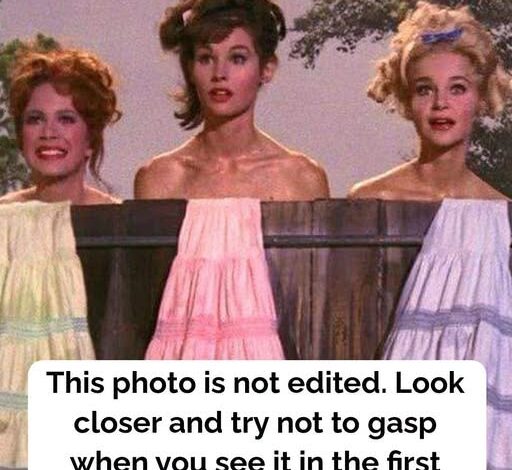
The title itself contains a playful deception. The Shady Rest was not located at a true railroad junction. It stood beside a water stop on an isolated branch line. The nickname came from the Bradley sisters swimming in the water tower and leaving their petticoats hanging over the side, a cheeky visual joke built directly into the opening credits.
Those credits preserved one of the show’s longest mistakes. Meredith MacRae replaced Gunilla Hutton as Billie Jo for the 1966 season, but the distant shot of the sisters climbing down from the water tower still showed Hutton. The footage remained in use for years after the role had changed. The order of the sisters also shifted after the first two seasons, moving from Billie Jo, Bobbie Jo, and Betty Jo to Betty Jo, Bobbie Jo, and Billie Jo.
Casting the sisters required an enormous search. Creator Paul Henning reportedly considered about fifteen hundred women. Linda Kaye Henning, who became Betty Jo, was his daughter and was suggested for the part by Bea Benaderet. Sharon Tate was considered for Billie Jo and appeared in early promotional material, but Jeannine Riley ultimately received the role.
The Cannonball created its own collection of inconsistencies. Early episodes stressed that the train was practically the only way to reach the hotel because the road was barely usable. Later, characters appeared at the Shady Rest whenever a scene needed them, sometimes moments after the train had departed. The geography remained fixed only until the plot required a faster entrance.
The locomotive was presented as wood burning, with chopped wood visible in the tender, yet it often produced thick black smoke more typical of oil. Different shots used a real vintage engine and a movable mockup. The number on the front also changed from 3 in the black and white seasons to 8 when the series shifted to color.
Some of the most charming stories came from the cast. Linda Kaye Henning married Mike Minor, who played her television husband Steve Elliott. Their real wedding followed the fictional one by about ten months, and Linda wore the same gown used for Betty Jo’s ceremony. The connection gave the on screen romance an unusual continuation beyond the set.
Edgar Buchanan made Uncle Joe’s laziness one of the program’s most reliable jokes and became the only actor to appear in every episode. Higgins, the dog everyone on screen simply called Dog, appeared in more than one hundred fifty episodes. Publicity photographs often showed Higgins sitting happily in Buchanan’s lap even though their characters were constant rivals.
Higgins later played the title role in the 1974 film Benji, which was also Buchanan’s final movie. That shared closing credit gives their comic feud a sweet footnote. The dog had been an important performer all along, even if his actual name was seldom spoken on Petticoat Junction.
The series eventually faced a painful change when Bea Benaderet became seriously ill. As Kate Bradley, she had been the center of the Shady Rest and the person who held both family and hotel together. Her declining health forced absences, and the show tried to adjust with new characters and explanations. After her death, the emotional balance was never quite the same.
None of these mistakes weakens the affection viewers still feel. In fact, spotting an old cast member in updated credits or noticing the Cannonball change numbers can make a rewatch more enjoyable. The imperfections reveal how weekly television was assembled, with reused footage, changing performers, practical props, and writers more concerned with a good joke than an exact map of Hooterville.
Petticoat Junction survives because its characters mattered more than flawless continuity. The bloopers sit beside real chemistry, memorable performances, and a setting audiences wanted to revisit. Looking closely does not spoil the illusion. It shows the clever, occasionally messy work that kept the Cannonball rolling for seven seasons.