Is Sleeping on Your Left Side Better for Your Health? Heres What to Know
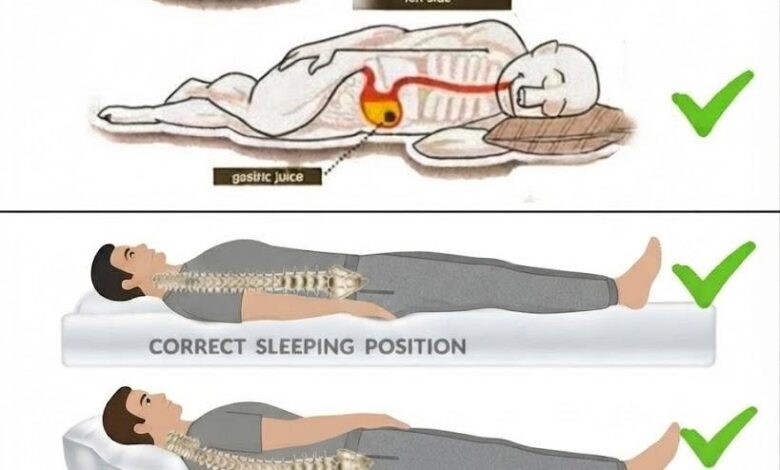
Sleeping position can influence comfort, digestion, breathing, and the pressure placed on joints. The left side receives special attention because the stomach and other organs are not arranged symmetrically. That does not make it a universal cure, but anatomy helps explain why changing sides can feel noticeably better for some sleepers and less comfortable for others.
Heartburn is the most familiar example. The stomach sits mostly on the left, and lying on that side may make it harder for acidic contents to travel upward into the esophagus. Some people with nighttime reflux report less burning, coughing, or sour taste than when lying on the right. Persistent reflux, difficulty swallowing, vomiting, weight loss, or chest pain still needs medical attention.
Side sleeping is also widely used during pregnancy because it can be more comfortable than lying flat on the back as the uterus grows. Pillows between the knees, beneath the abdomen, and behind the back can reduce strain. Pregnant people should follow their own clinicians advice, especially if dizziness, pain, bleeding, or breathing difficulty affects rest.
For snoring, side sleeping in general may help keep the tongue and soft tissues from falling backward as easily as they can on the back. It may reduce noise, but it does not prove sleep apnea is treated. Loud habitual snoring, gasping, breathing pauses, morning headaches, or severe daytime sleepiness should be professionally assessed.
Claims that the left side magically detoxifies the body are exaggerated. The liver, kidneys, lungs, and lymphatic system continue their work in every ordinary position. Posture can affect pressure, reflux, and comfort, but it cannot replace movement, hydration, appropriate treatment, or healthy habits. A plausible benefit should not be transformed into a sweeping promise.
There are drawbacks. A painful left shoulder, hip trouble, numbness, or an unsuitable mattress can make the position miserable. People with some heart or lung conditions may notice that one side feels worse. Do not force a posture that causes breathlessness, chest discomfort, or unusual palpitations; discuss those symptoms with a clinician.
Good support makes side sleeping easier. Choose a pillow tall enough to keep the neck level, place another between the knees to align the hips, and hug a pillow to support the upper arm. Changing sides occasionally can reduce pressure. Natural movement during sleep is normal, so waking on the opposite side is not a failure.
Try the position for several nights while keeping bedtime and evening meals reasonably consistent. Note heartburn, awakenings, joint discomfort, and morning energy. Finishing a large meal immediately before bed may overwhelm any positional benefit. A simple diary makes it easier to decide whether the change truly helps rather than relying on one unusual night.
The best position is ultimately the one that allows restful sleep without new pain. The left side is worth trying for reflux, pregnancy comfort, or back-sleeping snoring, but it is not mandatory for health. Sleep quality, a consistent schedule, a dark quiet room, and evaluation of persistent symptoms matter far more than rigidly remaining on one side all night.
Comfort, consistency, and attention to symptoms remain the most useful guides for a good nights rest.
People with reflux can improve the experiment by raising the head of the bed when advised, avoiding tight clothing after dinner, and noticing which foods trigger symptoms. Position is only one part of the picture. Someone who repeatedly wakes coughing or choking should not assume that rolling left has solved the cause.
Mattress firmness also changes the experience. A surface that is too hard can concentrate pressure at the shoulder and hip, while one that is too soft may let the spine sag. Small adjustments to pillow height or a cushion at the waist can be more helpful than forcing the body into an exact angle.