If your feet swell, it is a clear sign that…
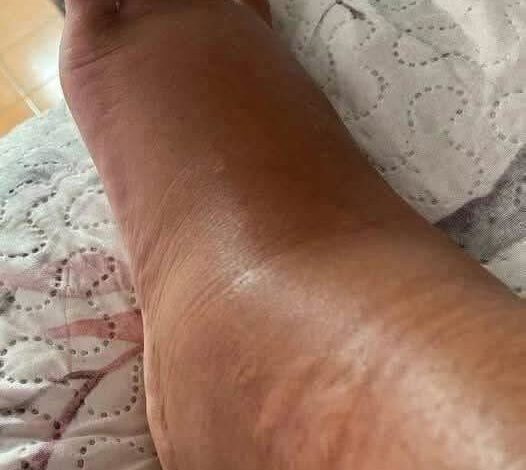
Swollen feet and ankles are common, especially after long periods of standing, hot weather, travel, or eating a salty meal. In many cases, the swelling is temporary and harmless. However, persistent or sudden swelling can sometimes signal a medical problem that deserves attention.
The condition is often called edema, meaning excess fluid has collected in the tissues. Gravity makes fluid more likely to settle in the lower legs, ankles, and feet. That is why swelling may be more noticeable at the end of the day and improve after resting with the legs elevated.
Lifestyle factors are frequent causes. Sitting on a long flight, standing during an entire work shift, dehydration, high sodium intake, pregnancy, and certain medications can all contribute. Medicines used for blood pressure, inflammation, diabetes, hormones, or nerve pain may cause swelling as a side effect. A doctor or pharmacist can review whether a medication is involved, but prescribed treatment should not be stopped without professional advice.
Swelling in both feet may also occur when circulation is not moving fluid efficiently. Veins in the legs contain valves that help return blood toward the heart. When those valves weaken, blood can pool in the lower limbs, producing heaviness, aching, visible veins, or skin changes.
Heart, kidney, or liver problems can also lead to fluid retention. These conditions usually cause additional symptoms rather than swelling alone. Shortness of breath, unusual fatigue, rapid weight gain, abdominal swelling, reduced urination, or difficulty lying flat are warning signs that require medical evaluation.
Swelling in only one leg deserves particular attention, especially when it begins suddenly. Pain, warmth, redness, or tenderness may indicate a blood clot in a deep vein. A clot can become life-threatening if it travels to the lungs. Sudden chest pain, breathlessness, coughing blood, fainting, or a very rapid heartbeat requires emergency care.
An injury, infection, insect bite, or problem with the lymphatic system can also cause one-sided swelling. Fever, spreading redness, severe pain, an open wound, or skin that feels hot should not be ignored, particularly in someone with diabetes or poor circulation.
For mild swelling without warning signs, simple measures may help. Elevating the feet above heart level, walking regularly, avoiding long periods in one position, reducing excessive salt, staying hydrated, and wearing comfortable footwear can improve fluid movement. Compression socks help some people but are not suitable for everyone, so medical guidance is useful before starting them.
A clinician may examine the legs, review medications, check blood pressure, and order blood, urine, heart, or imaging tests depending on the symptoms. Treatment focuses on the underlying cause rather than swelling alone.
The key point is that swollen feet are not one clear sign of a single disease. Context matters. Temporary swelling after a long day may be minor, while sudden, painful, one-sided swelling or swelling accompanied by breathing difficulty can be urgent. If it persists, worsens, or appears with other symptoms, professional assessment is the safest step.