If You Have Visible Veins It Means You Are
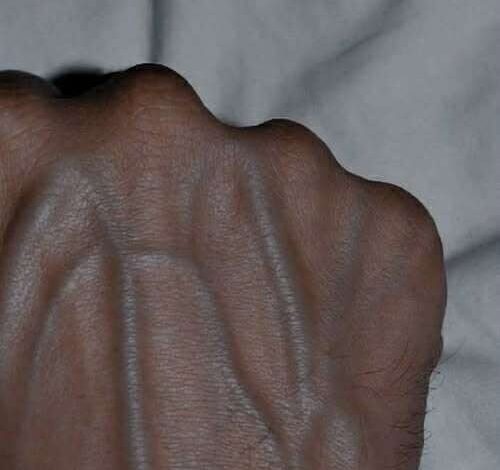
Visible veins on the hands can look alarming when they suddenly seem darker or more prominent. In many cases, however, they are a normal result of anatomy, temperature, activity, age, or body composition. A blue or green line beneath the skin does not by itself mean that a person has cancer or another serious disease.
Veins return blood toward the heart. Those near the surface are easier to see because skin and tissue filter light, making the blood inside appear blue or green even though it is red. People with naturally fair or thin skin may have visible veins throughout their lives without any health problem.
Age can make veins more noticeable. Skin gradually loses collagen and some of the fat that once covered blood vessels. The veins have not necessarily become dangerous; the layer above them has become thinner. Sun exposure can accelerate changes in skin texture, especially on hands that receive years of ultraviolet light.
Exercise also affects appearance. Working muscles need increased blood flow, and surface veins may expand temporarily. People with lower body fat or greater muscle development often have more visible veins because less tissue separates vessels from the skin. The effect commonly becomes stronger during and immediately after a workout.
Heat causes blood vessels near the skin to widen as the body tries to release warmth. Hands may look more vascular after a hot shower, time outdoors, or physical activity. Cold can have the opposite effect. Hydration and salt balance can also influence how full vessels and surrounding tissues appear from one day to another.
Pregnancy and hormonal changes can increase blood volume and alter circulation. Veins may become more obvious during this period and often settle afterward. Genetics matter too. Some families simply have prominent surface veins, making the appearance a shared physical trait rather than a warning sign.
There are circumstances that deserve medical attention. A vein accompanied by sudden swelling, redness, warmth, significant pain, or a hard tender cord may indicate inflammation or a clot. One hand becoming dramatically different from the other, especially after injury or use of an intravenous line, should be evaluated.
Breathing difficulty, chest pain, fainting, or unexplained rapid heartbeat requires urgent care because those symptoms can signal a more serious circulation problem. The visible vein itself may not be the main issue, but it can be part of a broader change that a clinician needs to assess quickly.
Varicose veins are more common in the legs, where valves work against gravity, but hand veins can also become enlarged. Treatment is usually considered for discomfort or cosmetic reasons after a professional confirms that circulation is healthy. Procedures should be performed by qualified clinicians because hand anatomy contains important nerves and arteries.
Photographs online cannot diagnose the cause of visible veins. Lighting, camera contrast, and temporary temperature changes can exaggerate their appearance. A useful approach is to notice whether the change is new, persistent, painful, swollen, or associated with other symptoms. Most visible hand veins are a normal variation, but a medical professional can provide reassurance or testing when the pattern truly changes.
Trying to hide veins with unproven creams or aggressive massage can waste money and may irritate the skin. Hydration, sun protection, and ordinary exercise support general health, but they do not need to erase normal anatomy. If appearance is the only concern, a dermatologist or vascular specialist can explain options and their risks.
The key is context rather than color. A stable pattern present for years is different from sudden swelling after an injury. Veins that become visible on a hot day are different from a painful cord with redness. Paying attention to those differences allows people to seek care when it matters without treating every blue line beneath the skin as evidence of a hidden disease.