If You Are Getting White Pimples on Your Lips or Intimate Area Heres What They Could Mean
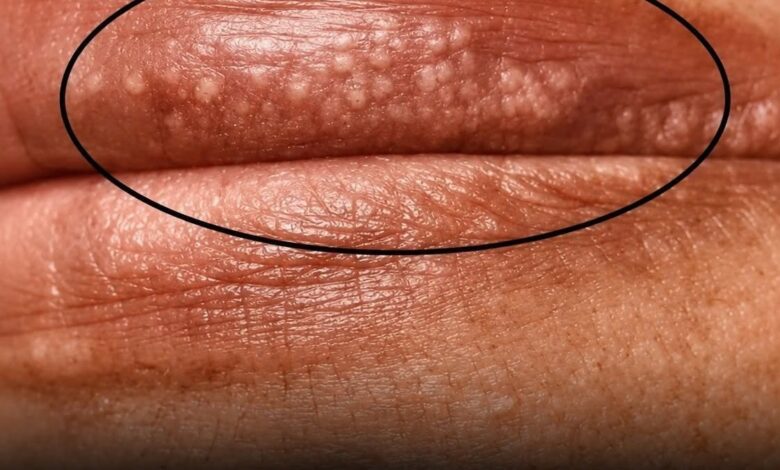
Small white or pale bumps on the lips or intimate area can be alarming, but they do not automatically indicate an infection or a dangerous condition. One common explanation is Fordyce spots, visible oil glands that may appear on the edge of the lips or on genital skin. They are generally harmless, are not contagious and are not caused by poor hygiene.
Fordyce spots often look like tiny white, cream or yellowish dots. They may be easier to see when the skin is stretched and usually do not cause pain. Because they are normal glands in an especially visible location, people sometimes mistake them for pimples or a sexually transmitted infection. Their appearance alone, however, does not confirm any diagnosis.
Blocked glands and clogged pores can also produce small bumps. Around the mouth, heavy lip balms, cosmetics or skin products may trap oil and dead skin. In intimate areas, sweat, tight clothing, shaving and repeated friction can irritate hair follicles or skin. These bumps may settle when the irritating product or activity is removed, although persistent changes deserve professional evaluation.
Other possibilities include bacterial or fungal irritation, an allergic response or contact dermatitis. New soaps, fragrances, detergents, lubricants and personal care products can all trigger sensitive skin. When the area is itchy, red, swollen or burning, recent changes in products or grooming habits can provide an important clue for a clinician.
Certain warning signs make medical advice more important. Pain, increasing redness, warmth, swelling, fluid or pus, rapid spreading, open sores or an unpleasant odor should not be ignored. Fever, swollen lymph nodes or feeling generally unwell can suggest that the problem needs prompt assessment. Bumps that remain for several weeks, repeatedly return or change noticeably should also be checked.
Squeezing or picking the spots can make matters worse. Pressure may injure delicate skin, introduce bacteria and leave inflammation or scarring. Acne products designed for tougher facial skin can be too harsh for the lips or genital area. Applying strong acids, alcohol or unproven home remedies may create a burn while doing nothing to address the actual cause.
A clinician can examine the location, shape and pattern of the bumps and ask about symptoms, new products and recent sexual contact. Testing is not necessary in every case, but it may be recommended when an infection is possible or the appearance is not typical. Treatment depends entirely on the cause. Harmless Fordyce spots often need no treatment, while irritation, folliculitis or an infection requires a different approach.
Simple care can reduce avoidable irritation while a person waits for an appointment. Wash gently, keep the area dry, choose breathable clothing and stop using any newly introduced product that seems connected to the change. Avoid sharing towels or personal items when an infection has not been ruled out. If symptoms are severe or worsening quickly, seek care rather than waiting for routine advice.
Privacy concerns sometimes keep people from discussing changes in intimate areas. Health professionals are accustomed to these questions, and an accurate description is more useful than hiding details out of embarrassment. Mention when the bumps began, whether they hurt or itch, whether there is discharge and whether anything changed shortly before they appeared.
Most small white spots have manageable or harmless explanations, but no photograph or headline can identify every case. Paying attention to discomfort, change and duration provides better guidance than panic. Leave the bumps alone, remove obvious irritants and arrange a qualified examination when warning signs appear or the condition does not resolve.
It can help to take note of the date the spots first appeared and any product, medication or activity that changed around the same time. This record gives a clinician useful context and reduces the temptation to try several harsh treatments at once. Gentle care and an accurate diagnosis are safer than treating every white bump as acne.