I Was Cooking Ground Beef When I Found a Strange Worm Like Object What It Could Be and When You Should Be Concerned
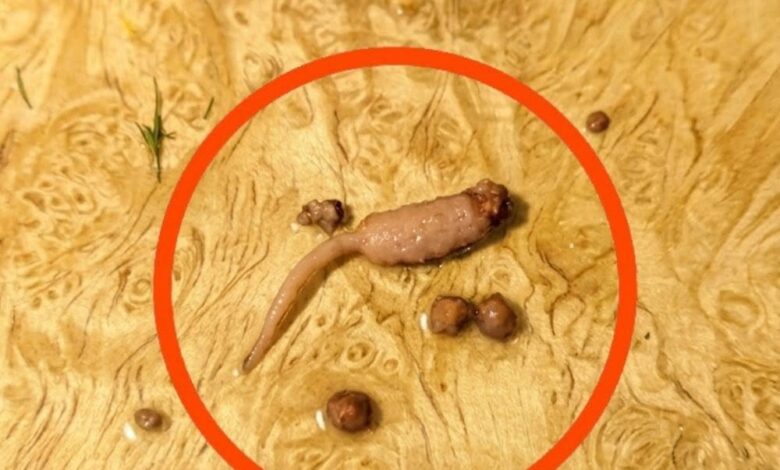
I was browning ground beef when a small pale, curled object appeared among the cooked meat. It did not look like the rest of the pan, and its stringy shape was enough to stop me. The first thought was the alarming one. Could it be a worm or something else that should never have been in the package?
A closer look can often provide a calmer explanation. Ground beef is not made from perfectly uniform muscle. It naturally contains muscle fibers, fat, and small amounts of connective tissue. During grinding, most pieces blend together, but an occasional strip can remain large enough to become visible after cooking.
Connective tissue includes tendon, gristle, and silverskin that help hold muscle together. Heat causes proteins to contract and fat to melt. A thin strip can tighten, twist, or curl into a pale shape that looks surprisingly different from the browned meat around it.
That reaction explains many worm-like pieces found in a skillet. Connective tissue is usually smooth, pale, and rubbery or chewy. It does not have a defined head, tail, joints, or regular segments. It may appear attached to or surrounded by meat rather than moving independently.
A curled piece of fat can look similar. As fat renders, it becomes lighter and may form a glossy ribbon. The high heat and small pieces in ground beef make these ordinary structures more noticeable than they would be in a steak or roast.
Appearance alone cannot guarantee what an unknown object is. If something looks clearly foreign, has unusual hard edges, resembles plastic, metal, glass, rubber, or wood, or simply cannot be identified, the safest choice is to stop eating the product. Keep the package and receipt if possible, photograph the object, and contact the store or manufacturer.
Odor and texture are also important. Fresh raw ground beef should not have a strong sour or rotten smell. Sticky or slimy meat, a damaged or swollen package, or evidence that refrigeration failed are reasons to discard or return it. Color can change with oxygen exposure, so color alone is not always a reliable spoilage test.
When uncertainty remains, do not taste the meat to decide whether it is safe. Cooking can destroy many germs, but it does not remove glass, metal, plastic, or every toxin associated with mishandling. A refund is less costly than taking a risk with a product that genuinely seems wrong.
Food-safety habits matter even when the mysterious piece proves to be ordinary tissue. Keep raw ground beef refrigerated and use or freeze it promptly according to package guidance. Store it on a lower shelf so juices cannot drip onto foods that will be eaten without further cooking.
Wash hands before and after handling raw meat. Use clean utensils and surfaces, and keep raw beef separate from bread, salad ingredients, fruit, and other ready-to-eat foods. Cleaning should happen after preparation rather than spreading raw juices with the same cloth.
Ground beef must be cooked more thoroughly than an intact steak because grinding can distribute bacteria throughout the mixture. Cook it to an internal temperature of 160 degrees Fahrenheit, or about 71 degrees Celsius, measured with a food thermometer.
Color is not a dependable substitute for temperature. Beef can turn brown before it reaches a safe internal temperature, and it can remain pink after reaching one. Insert the thermometer into the thickest part of burgers, meatloaf, or another ground-beef dish.
Refrigerate cooked ground beef within two hours, or sooner in very hot conditions. Use shallow containers so food cools efficiently. Reheat leftovers thoroughly and discard anything left out beyond safe time limits.
The original package provides useful information if a problem is reported. Keep the label, establishment number, sell-by information, and lot code when available. Those details help a store, manufacturer, or food-safety authority identify whether other packages may be affected.
If the object caused an injury or someone becomes ill, seek appropriate medical care and report the incident to local food-safety authorities. A sharp fragment, for example, creates a different concern from a soft piece of gristle.
Most pale curls found while browning beef are ordinary connective tissue or fat altered by heat. Understanding how meat changes in a pan can turn a frightening discovery into a recognizable feature of real food.
Still, confidence should come from inspection rather than pressure to continue cooking. I can pause, examine the piece, check the package and smell, and decide whether I am comfortable proceeding. If I cannot identify it or anything else seems wrong, setting the food aside is the sensible response.
The strange object that interrupted my cooking likely had a simple explanation, but the moment offered a useful lesson. Natural tissue can look unexpected after heat, and genuine foreign material deserves attention. Careful observation, proper cooking temperature, clean handling, and a willingness to return questionable food are what keep a small kitchen mystery from becoming a larger problem.