How to Recognize Unverified Celebrity Health Rumors Online
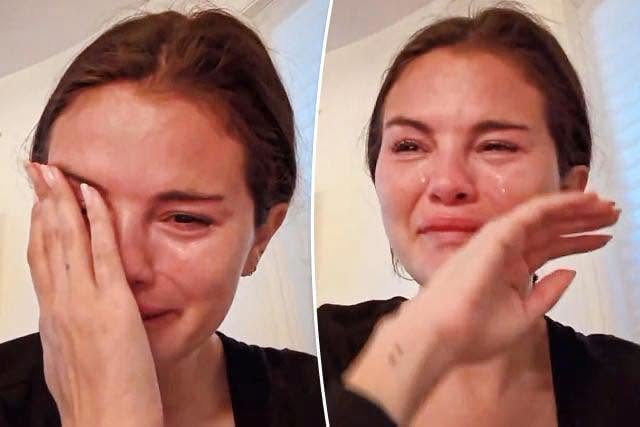
Emotional social-media posts about a celebrity’s health often use urgent wording, crying photographs, and phrases such as “confirmed minutes ago.” Those signals are designed to provoke an immediate reaction, but they do not prove that the claim is true.
Before sharing a report about Selena Gomez—or anyone else—look for a clear statement from the person, an authorized representative, or a reputable news organization that identifies its sources. A vague reference to a private clinic or an unnamed insider is not reliable confirmation.
Pause before amplifying the claim
Health information is deeply personal. Repeating an unverified diagnosis can spread misinformation and invade someone’s privacy, even when the post looks convincing. Check the publication date, examine the web address, and search for independent reporting from established outlets.
Be especially cautious when a headline withholds the central fact and asks readers to click “see more.” Sensational language, recycled images, and hashtags are engagement tactics, not evidence. Screenshots can also be old or taken from an unrelated moment.
The responsible response is simple: do not treat a rumor as fact until trustworthy evidence exists. You can express goodwill without repeating the allegation. Accuracy and compassion matter more than being first to share an alarming post.