HEARTBREAKING TRAGEDY ROCKS YOUTUBE AS BELOVED COUPLE MAKES THE MOST DEVASTATING CHOICE IMAGINABLE
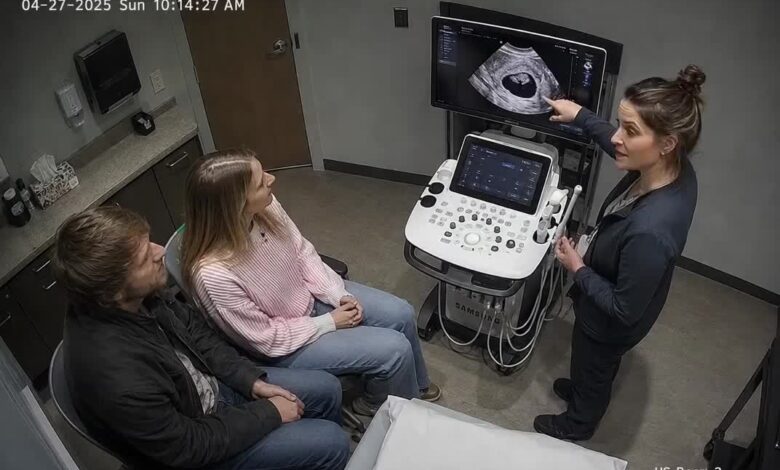
Jesse Ridgway and his wife Ashley recently shared one of the most painful experiences of their lives with their online audience. What began as the excitement of expecting their first child changed dramatically after prenatal testing indicated that the baby had Down syndrome, also known as Trisomy 21. The diagnosis placed the couple in an intensely personal situation, and they said the days that followed were filled with grief, uncertainty, and difficult conversations.
According to their account, the decision that followed was not immediate or casual. Jesse and Ashley spoke with medical professionals and genetic counselors while trying to understand the diagnosis, possible health complications, and the long-term realities their family might face. They considered their emotional capacity, available resources, and what they believed they could responsibly manage. After extensive discussion, they decided to end the pregnancy.
When they publicly described that choice, the reaction was swift and deeply divided. Many viewers responded with sympathy, recognizing that reproductive decisions made after a prenatal diagnosis can involve complex medical and personal considerations. Others strongly disagreed and expressed concern about how people with Down syndrome are perceived. Unfortunately, part of the criticism moved far beyond respectful debate and became personal abuse directed at the couple.
Jesse later defended Ashley and asked viewers to remember that the announcement came from a place of grief. He argued that strangers could not fully know the medical details, private conversations, or emotional strain behind their decision. The couple’s experience became an example of how quickly a painful family matter can be transformed into a public ideological battle.
The discussion also highlighted the importance of speaking about Down syndrome accurately and respectfully. People with the condition can live rich, meaningful lives, although individual medical and support needs vary considerably. Families may have very different resources, health circumstances, and caregiving networks. No single story represents every person with Down syndrome or every family that receives a prenatal diagnosis.
At the same time, sharing intimate grief online creates a difficult tension. Public figures may hope that openness will help others feel less alone, yet disclosure also invites judgment from people who see only a small portion of the situation. Disagreement does not justify threats, harassment, or dehumanizing language toward either the parents or people living with disabilities.
Jesse and Ashley said they wanted to be honest about an experience that many families endure privately. Their disclosure has prompted difficult conversations about reproductive choice, disability, medical uncertainty, and the limits of public commentary. Those conversations are valuable only when they make room for accurate information, dignity, and compassion.
Whatever a person’s view of the couple’s decision, their loss was real. The humane response is to discuss the broader issues without turning grieving individuals into targets. Their story shows that behind every viral announcement are people processing consequences that will continue long after the comments and headlines disappear.