He Was Voted Best Looking and Biggest Flirt in High School Today Hes a Hollywood Legend Can You Guess Who He Is See more in 1st comment
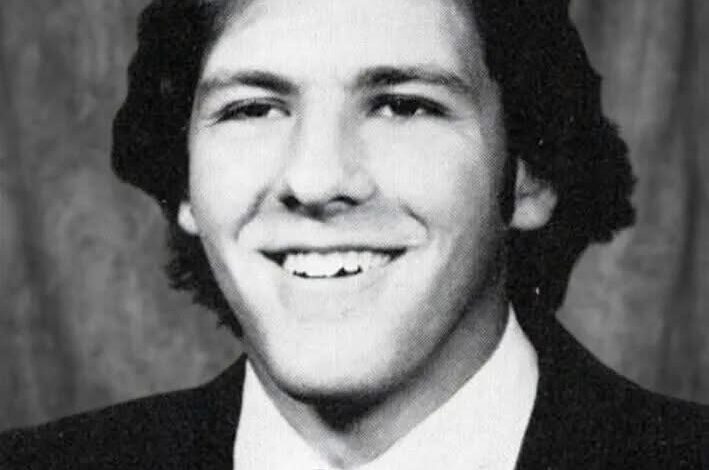
Few actors ever redefine television history while remaining humble enough to stay grounded in their roots. Growing up in a modest working-class New Jersey household, a charismatic high school student had no idea he would one day captivate millions. Born in September 1961, he built his character on hard work long before bright studio lights ever found him.
Winning three Emmy Awards and a Golden Globe, he became one of entertainment’s most respected leading men. Yet behind the intimidating screen persona lay a hidden truth about his real-life generosity—and a heartbreaking health tragedy that would shock fans worldwide. What happened during a family trip to Italy that cut his life short at 51, and how did his own son carry that iconic legacy forward?
Long before the awards and the demanding roles, there was a young man whose classmates remembered a very different kind of presence. Being voted best looking and biggest flirt suggested warmth, confidence, and an ability to make an impression without a stage or a camera. Those descriptions belong to the years before the public began associating him with a powerful screen personality.
The contrast is part of what makes his early photograph so striking. The face is younger, the setting ordinary, and the future still unwritten. There is no indication of the weight his performances would eventually carry or of the millions of viewers who would come to recognize him. It is a reminder that an actor's public identity is built over time, while the person behind it begins in familiar places.
His working class New Jersey upbringing remained an important part of that story. The habits associated with those beginnings offered a counterpoint to the attention that followed his success. Recognition could change the scale of his professional life without erasing the roots that had shaped him. The distance between the school photograph and the celebrated performer was measured in work, experience, and the gradual development of his craft.
Three Emmy Awards and a Golden Globe marked the respect he earned in his profession. Such honors can be counted and displayed, but the effect of a performance is harder to measure. Viewers remember a voice, a look, or the tension in a scene. They remember how an actor made a complicated character feel human even when that character was intimidating or difficult to like.
The generosity described in his personal life offers another contrast with that image. A forceful character on screen does not provide a complete portrait of the actor playing him. The ability to inhabit that character depends on observation, sensitivity, and an understanding of emotions that are not always visible. Away from the role, a quieter reputation can reveal qualities that an audience would never discover from the performance alone.
His death during a family trip to Italy at fifty one brought that contrast into painful focus. The public loss concerned a much admired performer. For those closest to him, it was the loss of a family member whose life extended far beyond the work people knew. The awards remained, as did the performances, but neither could replace the person.
The question of legacy also reached the next generation. His son's connection to that famous screen world gave the story another emotional dimension. A professional legacy can be revisited by audiences, but a family legacy is carried through memory, resemblance, and the experience of growing up with someone the public believes it knows. The youthful photograph remains one small part of that larger life.