Hand Dermatitis Symptoms Causes and Caring for Irritated Skin
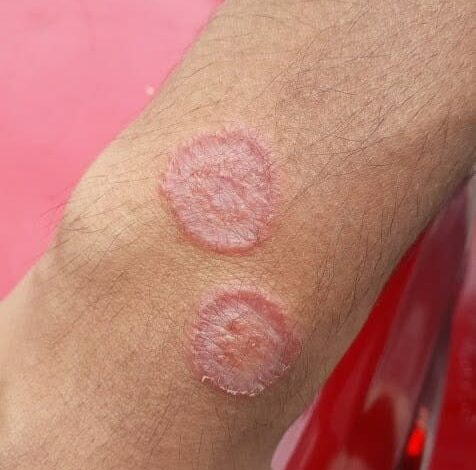
Hand dermatitis, also known as hand eczema, is a common inflammatory skin condition that develops when the skin’s protective barrier becomes damaged. This allows irritants, allergens, and environmental factors to trigger inflammation, causing discomfort that can interfere with everyday activities.
Common symptoms include dry, rough skin, persistent itching, redness, flaking, and painful cracks. Some people develop small blisters, while long-term cases may cause thickened skin. Symptoms can appear suddenly or gradually, depending on the underlying cause.
One of the most frequent causes is repeated exposure to irritants such as soaps, detergents, cleaning products, disinfectants, and chemicals. Excessive handwashing can also weaken the skin barrier. Healthcare workers, cleaners, hairdressers, and people who regularly handle chemicals may face a higher risk.
Allergic reactions can trigger similar symptoms. Common allergens include nickel, fragrances, rubber products, cosmetic preservatives, and certain skincare ingredients. Cold weather, low humidity, and frequent contact with water can further dry out the skin and worsen irritation.
Although mild cases may improve with basic skincare, severe dermatitis can cause deep cracks that bleed, persistent pain, and secondary infections. Itching may also disturb sleep, while painful hands can make routine tasks difficult. Severe or recurring symptoms should be assessed by a healthcare professional.
Regular moisturizing is one of the most effective ways to protect the skin. Apply a thick, fragrance-free moisturizer several times daily, particularly after washing your hands. Gentle, fragrance-free cleansers can also help prevent further irritation.
Protective gloves may reduce exposure to cleaning products and other irritants, although prolonged sweating inside gloves can worsen symptoms. Avoiding known triggers is equally important, especially when an allergy is suspected. Wearing suitable gloves in cold weather can provide additional protection.
If symptoms persist or become severe, a dermatologist may recommend prescription creams, topical corticosteroids, or other treatments depending on the cause. Early care, consistent moisturizing, and avoiding triggers can help control flare-ups, protect the skin barrier, and keep hands healthier over time.
A recurring difficulty with hand dermatitis is that the affected skin is exposed throughout the day. Washing, cleaning, and handling everyday products can repeatedly bring sensitive hands into contact with the same triggers. Paying attention to when discomfort appears can help someone describe the pattern more clearly when discussing persistent symptoms with a healthcare professional.
The distinction between irritation and allergy also matters within this account. Repeated contact with harsh substances can damage the protective barrier, while an allergic response involves sensitivity to a particular substance. Both can produce uncomfortable symptoms, which is one reason the appearance of dry or red skin alone may not identify the underlying trigger.
Consistent care is described as a routine rather than a single application of cream. Moisturizing after washing, choosing gentle products, and reducing avoidable exposure work together to protect the skin. When symptoms continue despite those measures, the next step described is professional assessment so that care can reflect the cause and severity of the problem.
The goal is to reduce repeated irritation while allowing the skin barrier to recover. Recognizing uncomfortable changes early can make it easier to adjust daily habits and explain which activities seem to make symptoms worse.