Found a Snake in Your House Heres What to Do Without Panicking
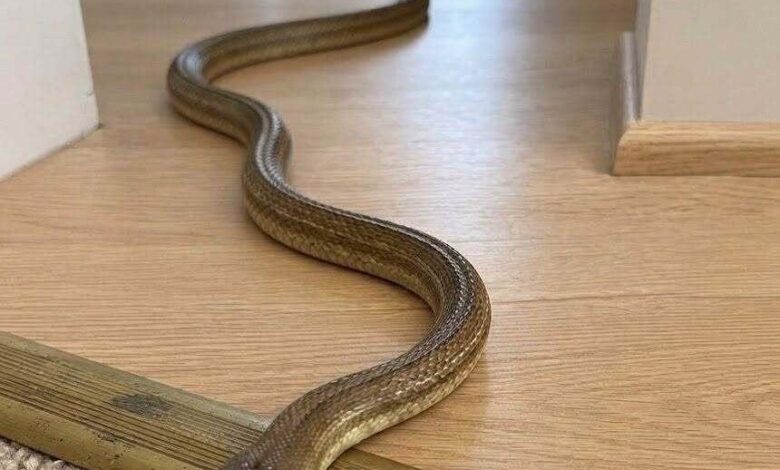
Finding a snake inside the house can turn a quiet moment into panic. It may appear beside a door, behind an appliance, in a bathroom, or along the wall of a garage. The safest response begins by resisting the urge to grab, strike, or corner it. Most injuries occur when someone tries to handle a snake without knowing the species.
Move children and pets away immediately. Give the snake space and keep a clear escape route for yourself. If possible, close interior doors to limit movement while leaving an exterior exit available. Place a rolled towel beneath doors leading to occupied rooms, but do not approach closely if the snake is defensive or hidden.
Watch from a safe distance so you know where it goes. A snake that disappears behind furniture can be harder for a wildlife professional to locate. Take a photograph only if it can be done without moving closer. Color and head shape are not reliable enough for an untrained person to determine whether a snake is venomous.
Contact local animal control, a licensed wildlife remover, or another service recommended by local authorities. Availability differs by region, so residents in snake-prone areas should save a number before an emergency. Tell the responder where the snake was last seen, its approximate size, and whether anyone has been bitten.
Do not use glue traps, poison, smoke, or improvised chemicals. These methods can injure people and pets, leave a suffering animal hidden inside the building, and create new hazards without solving the entry problem. Trying to sweep a snake into a container is also risky because its striking distance may be greater than expected.
If a bite occurs, move away and call emergency services or a poison center immediately. Keep the person calm and as still as possible. Remove rings or tight clothing near the bite before swelling begins. Do not cut the wound, suck out venom, apply ice, or use a tight tourniquet. Those old remedies can worsen tissue damage.
A snake inside does not carry a mystical message. It usually found shelter, warmth, water, or prey. Mice, insects, frogs, and small lizards can attract snakes toward a property. Open garage doors, gaps beneath exterior doors, damaged screens, pipe openings, and cracks near foundations provide access.
After removal, inspect the building carefully. Seal gaps with suitable materials, add door sweeps, repair screens, and cover vents without blocking necessary airflow. Store animal feed and birdseed in closed containers because spilled food attracts rodents. Reduce clutter, wood piles, and dense vegetation beside the foundation where prey and snakes can hide.
Outdoor lighting and cameras may help identify activity, but cleanliness and exclusion are more reliable than products advertised as snake repellents. Many commercial smells and powders have limited evidence behind them. Habitat management addresses the reasons an animal approached the home in the first place.
The goal is not to kill every snake nearby. Snakes play an important role by controlling rodents and other pests. The sensible boundary is to keep them out of living spaces and let trained people handle unexpected encounters. Distance, calm observation, professional removal, and a thorough inspection can turn a frightening discovery into a manageable safety problem.
Once the immediate problem is over, write down where the animal appeared and inspect that route in daylight. A gap that seems too small may still admit a slender snake following prey. Check weather stripping, utility penetrations, crawl-space vents, roof edges, and the junction between an attached garage and the house. Continue watching for rodents or shed skin, because removing one visitor does not correct the condition that attracted it. Neighbors may also have useful local knowledge about seasonal movement and reputable responders. Preparation replaces fear with a clear sequence: protect people, watch from a distance, call trained help, and close the route afterward.