Flight Attendant Explains the Unexpected Reason Cabin Crew Keep Their Hands Under Their Thighs During Takeoff and Landing
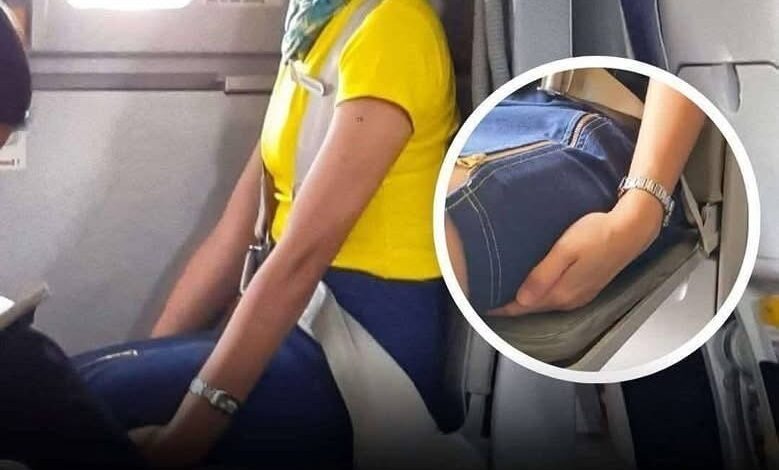
Passengers sometimes notice flight attendants sitting upright on their jump seats with their hands tucked beneath their thighs during takeoff or landing. The posture may look uncomfortable or strangely formal, but it is a deliberate safety position. Henny Lim, a flight attendant with Cebu Pacific, explained that the crew are preparing their bodies and minds for the phases of flight when an emergency is most likely to require an immediate response.
The position begins with the seat belt and shoulder restraints fastened securely. Crew members sit upright with their feet flat on the floor. Their hands are placed beneath their thighs with thumbs tucked, their arms remain loose, and their bodies stay aligned with the jump seat. Exact procedures can vary by airline, seat direction, and aircraft type, so passengers should follow the instructions demonstrated for their own seats rather than copying a crew posture automatically.
Lim said the position restricts unnecessary body movement. In a sudden stop or impact, loose limbs can flail and strike nearby structures. Holding a defined posture helps reduce that movement and can limit secondary impact, the additional injury caused when the body hits part of the cabin after the initial force.
The Federal Aviation Administration has described brace positions as serving two broad purposes: reducing flailing and reducing secondary impact. The best position depends on the seat, restraint, space, and direction of travel. That is why safety cards show different instructions and why cabin crew may issue specific commands in an emergency.
While attendants appear still, they are also conducting a silent review. Lim explained that crew members mentally prepare for an emergency during every takeoff and landing. They review the location of equipment, how to operate the nearest door, the commands they may need to give, and visual clues outside the aircraft.
The review can include checking which exits are available, what hazard may exist outside, and who among the nearby passengers might be able to assist. A fire, water landing, blocked exit, or damaged door can change the evacuation plan within seconds. Mental rehearsal helps turn training into action when noise and confusion make ordinary conversation impossible.
This is one reason cabin crew ask passengers to fasten seat belts, raise window shades when required, stow tray tables, return seats upright, and keep aisles clear. Those requests are not about appearance. They improve visibility, reduce obstacles, secure hard surfaces, and place bodies in a safer position for an unexpected event.
Flight attendants are not simply serving drinks. They are trained in evacuation, firefighting, first aid, security, communication, and aircraft-specific emergency procedures. Service is the most visible part of the job during a normal flight, but safety determines the training and authority behind it.
Passengers can help by listening to the demonstration even when they fly frequently. Exit layouts differ, and the nearest usable exit may be behind the seat. Keeping shoes on during takeoff and landing, storing baggage properly, and removing headphones when instructed can make a rapid response easier.
The hands-under-thighs posture is therefore a small visible sign of a much larger process. The attendant is protecting against uncontrolled movement while reviewing doors, equipment, commands, and outside conditions. Nothing dramatic may happen, and on nearly every flight the crew will stand up and begin normal service. The preparation still matters because safety training is designed for the rare moment when there is no time to begin thinking from the start.
Seeing that posture can reassure rather than alarm a passenger. It means the crew is following a repeatable checklist during a critical phase of flight. The same discipline explains why casual conversation may stop and why attendants remain seated until the aircraft reaches a safer point. Their attention is directed toward the cabin, the exits, and the actions they may need to take on everyone’s behalf.