FEMA Boss Fired After Remarks To Congress
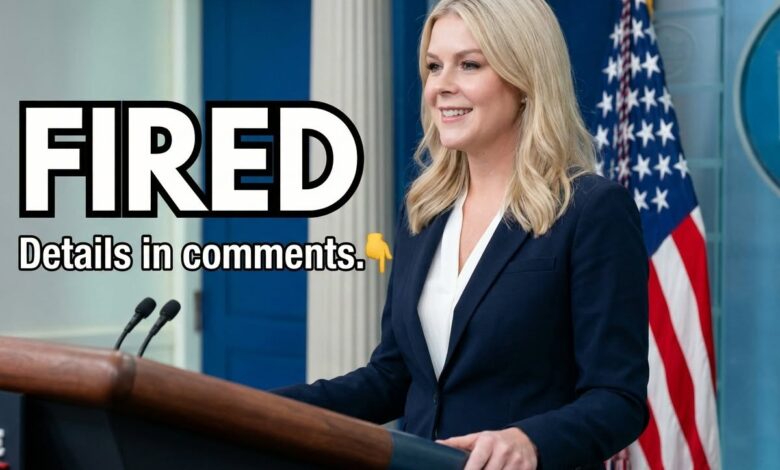
Cameron Hamilton’s removal from the Federal Emergency Management Agency followed a public refusal to support plans that would sharply reduce or dismantle the agency. The former Navy SEAL had led FEMA as acting administrator, but his testimony to Congress placed him at odds with members of Donald Trump’s administration who wanted disaster response shifted away from Washington.
Hamilton argued that when homes are destroyed and hospitals lose power, someone beyond the county or state line must still be able to answer. His position emphasized the federal role in coordinating resources during hurricanes, floods, fires, and other disasters that overwhelm local capacity. He would not endorse the idea that FEMA had become unnecessary.
That refusal carried an immediate political cost. After speaking to Congress, Hamilton was removed from the position. The speed of the decision made the dispute look less like a routine personnel change and more like a warning about opposition inside the administration. A security professional who had challenged the planned direction of disaster policy was suddenly gone.
Trump’s allies defended major changes by pointing to waste, bureaucracy, and scandals. They argued that states should take greater responsibility and promised a leaner system with stronger accountability. In their view, federal control can slow decisions, reward poor management, and distance disaster response from the communities directly affected.
Critics answered that states already face stretched budgets, limited personnel, and emergencies that cross borders. A powerful hurricane can damage several states at once, while wildfires and floods may require aircraft, communications, housing support, and money unavailable locally. Removing federal capacity does not automatically create equivalent resources somewhere else.
Hamilton’s background complicated attempts to dismiss him as a conventional bureaucrat. His military and security experience supported an image of someone familiar with coordination under pressure. He presented disaster response as a practical obligation rather than an ideological program. That made his disagreement with the White House especially visible.
The clash also occurred while the country faced increasingly costly storms, fires, and floods. Emergency systems are judged during the worst possible hours, when roads are blocked, hospitals are operating on backup power, and families need shelter. Structural changes made in ordinary political time determine who answers when those hours arrive.
Questions about migrants, spending, and previous FEMA controversies were pulled into the debate, increasing the political stakes. Supporters of restructuring used those issues to argue that the agency had lost focus. Opponents warned that scandal should be corrected through oversight rather than used as justification to weaken the national disaster safety net.
Hamilton’s removal therefore became larger than one official’s career. It tested whether professional disagreement could survive inside an administration committed to a particular result. It also forced lawmakers and the public to consider what state led response would mean in practice, including who pays, who coordinates, and what happens when local resources fail.
The next major disaster will provide the clearest measure of these decisions. Political language disappears quickly when families are trapped and communities are without power. Hamilton believed federal capability had to remain available at that moment. His dismissal left the country with an unresolved question about whether the safety net would be leaner and more accountable, or simply harder to reach when people needed it most.
The timing of the firing intensified concern because preparation cannot be improvised after a storm forms or a fire spreads. Contracts, supply routes, communications, and relationships with state officials are built in advance. Leadership turnover can interrupt that work even when experienced staff remain. Supporters of the change saw urgency in reform. Critics saw risk in destabilizing an agency precisely when the next emergency could expose every unfinished decision.