Electrical Safety at Home Why Proper Charger Placement Matters
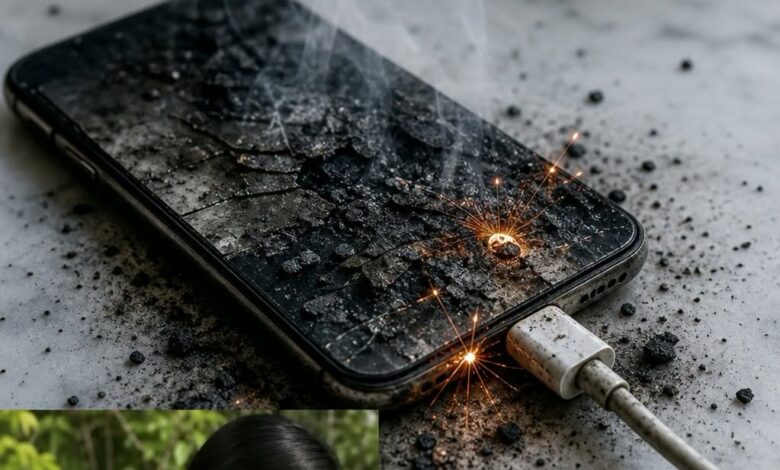
Most charging accidents do not begin with a dramatic flash. They begin with a small warning that is easy to ignore, such as a cable that works only when it is bent, a plug that feels warmer every evening, or a power strip holding more devices than it was designed to carry. Those ordinary signs matter because a charger is an electrical device, not a harmless accessory.
A damaged cable can expose conductors or create resistance at a weak point. That resistance produces heat, and the heat can build when the cable is tightly coiled, pinched by furniture, or trapped beneath soft material. A charger that is already running hot has even less room to release that heat when it is covered by a pillow or blanket.
The safest charging surface is hard, level, open, and dry. A desk, table, or clear countertop gives the phone and charger room to cool. Beds, sofas, upholstered chairs, and piles of clothing do the opposite. Fabric can hold heat close to the device, and combustible material is exactly what should not surround equipment connected to household power.
Placement near curtains, paper, rugs, or other easily ignited materials adds another unnecessary risk. A charger wedged behind a bed or cabinet can also be difficult to inspect. Dust gathers, airflow is limited, and early signs such as discoloration or a burning smell may go unnoticed.
Equipment quality is just as important as location. Certified chargers from reputable manufacturers are designed and tested for electrical safety. Cheap copies may not provide the same insulation, temperature control, or protection against faults. A charger should also match the device it powers. The right connector alone does not prove that its voltage, current, and safety design are suitable.
Cables need regular attention because they are bent and pulled every day. Fraying, exposed wire, cracked insulation, bent prongs, dark marks, or a loose connection are reasons to stop using a cable or charger immediately. Holding a broken cable at a special angle may keep the phone charging, but it does not repair the damaged conductors inside.
Heat deserves a clear response. Chargers can become slightly warm during normal use, especially during fast charging, but unusual heat, buzzing, sparking, repeated disconnection, smoke, or a sharp electrical odor are warning signs. Unplug the setup if it is safe to do so and replace the faulty component. Equipment that has overheated should not be returned to service just because it cooled down.
Power strips and extension cords can create problems when they are overloaded. Daisy chaining one strip into another increases the chance that the circuit or connection will carry more than intended. High-draw appliances should not share improvised extensions with multiple chargers and electronics. A wall outlet that feels loose, hot, or discolored also needs qualified attention.
Charging devices should be kept away from water and from places where they can be knocked into a sink or bath. Wet hands, damaged outlets, and liquids near live equipment are a dangerous combination. Kitchens and bathrooms require particular care because water can reach a cable or device quickly.
Children and pets add another reason to choose the location carefully. A dangling cable invites pulling or chewing, and a device left on the floor can be stepped on or damaged. Keeping chargers on stable surfaces and routing cords away from traffic protects both people and equipment.
Unplugging chargers when they are not in use reduces needless exposure to faults and makes inspection easier. The plug should be removed by gripping the plug body rather than yanking the cable. That simple habit protects the connection where many cables first begin to fail.
Good charging safety is a collection of quiet decisions. Use dependable equipment, replace damage promptly, avoid overloaded extensions, keep the setup dry, and give every device space to release heat. The goal is not to fear everyday technology. It is to notice the small warnings before they become the fire no one expected.