Dont Be Tricked by Supermarkets What You Should Know About the Meat You Buy
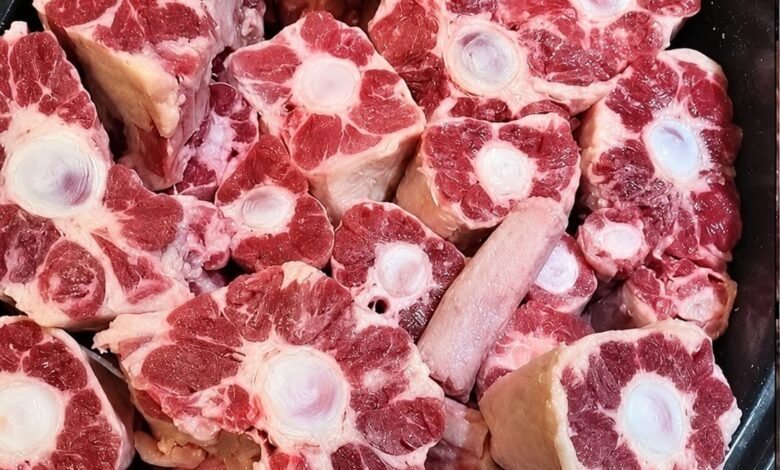
A neatly wrapped cut of meat can look reassuring in a supermarket display. The package is clean, the label is professionally printed, and the color may look exactly as a shopper expects. Yet none of those details, by itself, tells the whole story of where the meat came from or how it has been handled. Buying confidently starts with knowing what the information on the package actually means.
The journey to a store can involve several businesses and locations. Animals may be raised on farms, taken to processing facilities, and moved through distribution centers before the meat reaches a retailer. Some products are packaged before arriving at the store, while others are prepared for sale there. A complicated supply chain is not proof of wrongdoing, but it explains why appearance cannot provide a complete history.
Labels are a more useful starting point than a dramatic claim about what supermarkets are supposedly hiding. Look at the product name, ingredients where applicable, storage directions, and any sourcing information provided. A plain cut of meat and a seasoned or prepared product may have different ingredients and handling instructions. Similar-looking packages do not always contain equivalent products.
Country-of-origin statements, processing information, and certification details can help answer particular questions when they are available. However, labeling rules differ between countries and product types. A processing location is not necessarily the farm where an animal was raised. If origin matters to your purchase, read the wording carefully rather than assuming that a familiar brand name answers every sourcing question.
Dates also need context. A packing date, sell-by date, and quality recommendation do not all communicate the same thing. In the United States, USDA guidance on product dating explains that many date labels relate to quality rather than serving as universal safety deadlines. That does not mean storage instructions can be ignored. Follow the directions and food-safety guidance that apply where you live, including any use-by rules.
Color is another detail that can be misleading when considered alone. Oxygen and packaging affect the pigments in meat. The USDA’s ground-beef guidance explains that exposure to oxygen helps produce the familiar bright red surface. A package should not be judged safe merely because its contents look red, and a color difference does not automatically establish that a retailer has done something dishonest.
Package condition and temperature handling deserve attention too. A torn wrapper, broken seal, or leaking tray is a reason to choose a different package and alert staff. Read whether the product should remain chilled or frozen, and plan the trip home accordingly. The care a product received before purchase cannot compensate for inappropriate storage afterward.
If a label leaves a question unanswered, ask the retailer. Staff may be able to explain where a product was packed, whether it was previously frozen, or how to find the producer’s information. When they cannot, a manufacturer website or a contact number on the packaging may provide a clearer answer. A detailed question is more productive than relying on a general impression that one package looks fresher than another.
Some companies publish sourcing and production information through their websites or QR codes. Those tools can help shoppers compare claims, but they should still be read thoughtfully. A statement about animal welfare, farming methods, or regional origin addresses a specific issue. It does not replace the separate need for safe handling, intact packaging, and appropriate preparation.
The practical lesson is not that supermarket meat should be feared. It is that marketing, visual appeal, sourcing, and food safety are different considerations. Taking a little time to read the package, understand its dates, and ask about anything unclear can make a purchase more informed. Good choices come from useful information and careful handling, not from assuming that attractive packaging guarantees everything or that an alarming headline proves the opposite.