Does Anyone Know What Kind of Bug This Could Be A Parent Finds an Unusual Insect on a Childs Scalp
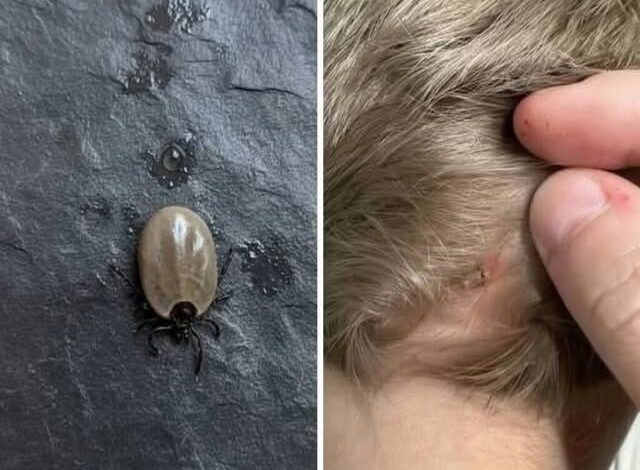
Finding an unfamiliar insect on a child’s scalp can turn an ordinary moment into instant alarm. A parent may first notice a dark shape while brushing hair or checking an itch, then struggle to decide whether it is a harmless outdoor hitchhiker, a head louse, a tick, or something else. The safest response begins with careful observation rather than panic or a rush to apply chemicals.
Size, color, body shape, movement, and the way the insect grips can all help with identification. A loose insect crawling through hair may be different from something attached to the skin. Head lice move among hairs and their eggs, commonly called nits, are attached to hair shafts. A tick may be fixed to the scalp and can become more rounded as it feeds.
Good photographs are useful if they can be taken without delaying necessary care. Bright light, a plain background, and one image showing scale can help a clinician or pest expert see important features. A parent should also note whether the insect was moving, whether it was attached, and whether the child had recently played outdoors, visited a wooded area, had contact with pets, or shared close space with other children.
Avoid treating every unknown bug as lice. Lice products are designed for a specific problem and should not be used simply because an insect was found near hair. Harsh household chemicals, essential oils, pesticides, or improvised remedies can irritate a child’s scalp and may cause more harm than the insect itself. Identification should guide treatment.
If the insect appears attached like a tick, remove it promptly and carefully. Use fine tipped tweezers to grasp it as close to the skin as possible, then pull upward with steady, even pressure. Twisting, crushing, burning, or covering it with substances can make removal more difficult. Afterward, clean the bite area and hands, and keep the insect or a clear photograph if a health professional may need to identify it.
A child should be evaluated promptly if the insect cannot be removed completely, the bite area becomes increasingly red or swollen, or the child develops fever, rash, severe headache, unusual tiredness, weakness, or other concerning symptoms. The need for testing or treatment depends on the type of tick or insect, the region, how long it was attached, and the child’s symptoms. A clinician can assess those details more reliably than an online comment section.
When lice are suspected, check the scalp carefully, especially behind the ears and near the neckline. Nits are often confused with dandruff, lint, or product residue. Dandruff usually moves easily, while nits adhere to the hair. A pharmacist, pediatrician, or school nurse can help confirm the finding and explain appropriate treatment and cleaning steps.
Parents should protect the child’s privacy while asking for help. A close photograph of the insect and nearby hair is usually enough; there is rarely a reason to post the child’s face or identifying information. Online groups may generate quick guesses, but they can also produce contradictory instructions. Use them to gather possibilities, not as a substitute for professional medical advice.
Prevention depends on the likely insect. After outdoor play, check the scalp, hairline, behind the ears, and other hidden areas for ticks. Keep long hair contained where practical and inspect pets according to veterinary guidance. For lice, avoid sharing combs, brushes, hats, and hair accessories, and respond quickly to confirmed cases without shaming the child or family.
The important sequence is simple: observe, photograph, remove safely if appropriate, and seek qualified help when identification or symptoms are uncertain. A strange bug on a child’s scalp is unsettling, but panic can lead to unsafe remedies. Calm attention protects the child, produces better information, and makes it far more likely that the correct problem will receive the correct response.