Dark, Velvety Neck Patches May Be a Health Signal—Here’s What They Can Mean
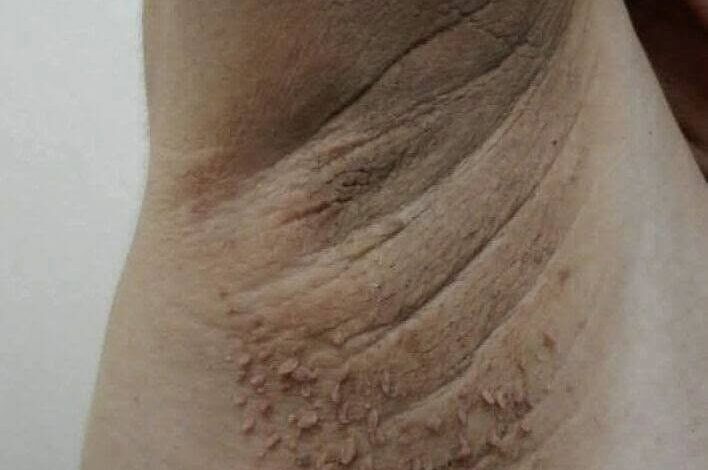
A dark patch on the neck may look like dirt, irritation, or a stubborn tan line. But when the skin becomes thicker and develops a soft, velvety texture, scrubbing usually does nothing. This change may be acanthosis nigricans, a skin finding that can point to an underlying metabolic or hormonal issue.
Acanthosis nigricans commonly appears on the back or sides of the neck, under the arms, in the groin, or beneath the breasts. It may also affect the knuckles, elbows, knees, face, or other skin folds. The color can range from gray-brown to much darker shades depending on a person’s natural skin tone. The area is often slightly raised and feels different from surrounding skin.
The condition is not usually a disease by itself. Instead, it is a visible sign that something else may be influencing skin-cell growth. The most frequent association is insulin resistance. When body cells respond poorly to insulin, the pancreas may produce more of the hormone to keep blood glucose controlled. High insulin levels can stimulate skin cells and contribute to thickening and increased pigmentation.
Because of this link, acanthosis nigricans is often seen in people with prediabetes, type 2 diabetes, metabolic syndrome, or obesity. It can also occur with hormonal conditions such as polycystic ovary syndrome, hypothyroidism, and Cushing syndrome. Certain medicines and supplements—including some corticosteroids, hormonal therapies, growth-hormone treatments, and high doses of niacin—may contribute as well.
Genetics sometimes plays a role. In some families, the patches begin during childhood without being connected to weight or abnormal blood sugar. A clinician considers age, medical history, medications, symptoms, and the way the skin changes developed before deciding what tests are appropriate.
Very rarely, acanthosis nigricans can be associated with an internal cancer, particularly when the discoloration appears suddenly, spreads rapidly, affects unusual places such as the mouth or palms, or develops in an older adult without an obvious metabolic cause. This possibility is uncommon, but sudden or extensive changes should be evaluated rather than ignored.
Most patches are not painful. However, their appearance can still be important. A medical assessment may include blood tests for fasting glucose, hemoglobin A1C, cholesterol, and relevant hormone levels. Treatment focuses on the cause. Improving insulin sensitivity through nutrition, physical activity, weight management, or prescribed medication may gradually lighten the skin. Adjusting a contributing medicine should be done only with the clinician who prescribed it.
Gentle skincare can reduce irritation, but aggressive scrubbing is a mistake. The pigmentation is not surface dirt. Harsh sponges, strong acids, or unmonitored bleaching products can damage the skin barrier and make discoloration worse. Mild cleansers and basic moisturizers are safer while the underlying cause is being investigated.
Seek medical advice if the patches appear quickly, spread, become uncomfortable, or occur with increased thirst, frequent urination, unexpected weight changes, fatigue, or other new symptoms. A skin change cannot diagnose diabetes or another condition by itself, and photographs online are not a substitute for an examination.
The practical message is simple: do not panic, but do not dismiss a persistent velvety patch as poor hygiene. The skin can provide useful clues about internal health, and an early conversation with a qualified professional may identify a manageable problem before it becomes more serious.