Can a woman live without a man by her side
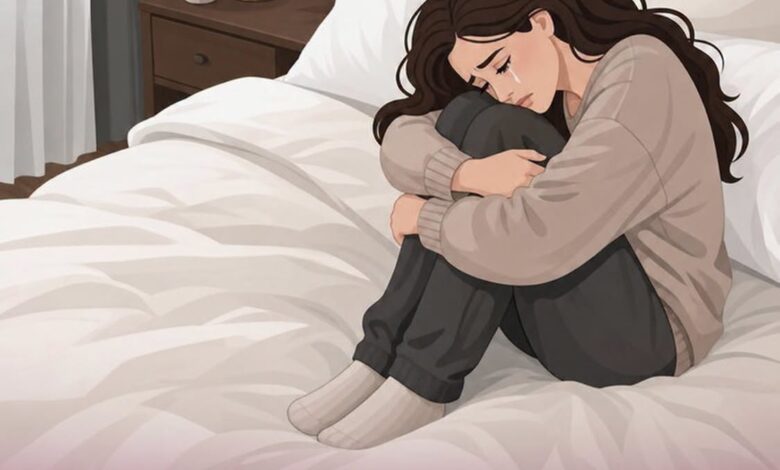
For many women, the quiet revolution isn’t loud or dramatic—it’s happening in everyday choices. Choosing a solo apartment over a shared lease. Prioritizing therapy, travel, or education instead of bending to fit someone else’s timeline. Financial independence has turned partnership from a survival strategy into a genuine option, and that changes everything. A relationship can be a beautiful addition, but it no longer has to be the axis your life spins around.
True fulfillment is less about ticking boxes and more about alignment: with your values, your needs, your pace. Some women feel most alive in long-term partnership; others find their deepest joy in friendships, purpose-driven work, creativity, or spiritual growth. Solitude can be a sanctuary rather than a sentence when it’s filled with intention and connection. The real turning point comes when you stop asking, “Am I behind?” and start asking, “Does this life feel like mine?”
The question in the headline has a simple answer: a woman’s life does not become incomplete merely because she does not have a male partner. The more interesting question is what a fulfilling life looks like to the person living it. Marriage, partnership, friendship, family, work, and solitude can occupy different places at different stages. No single arrangement supplies a universal definition of adulthood.
It is also worth separating independence from isolation. Living without a romantic partner does not mean doing everything alone or refusing support. A person may have close friends, siblings, neighbors, mentors, or a chosen family. Those relationships can provide companionship, practical help, and a sense of belonging without being organized around a couple. Asking for assistance is not evidence that independence has failed.
Social expectations can make the distinction harder to see. Questions about marriage often sound casual to the person asking them, while the person answering may hear a judgment about her entire future. Repeating that someone will eventually find the right man can overlook the possibility that she is already satisfied, or that she would prefer to discuss another part of her life.
There is no need to turn this into a contest between single women and women in relationships. A loving partnership can be deeply meaningful. So can a life built around other commitments. The difficulty begins when one choice is treated as proof of success and another as something that requires explanation. Respect means allowing people to describe their own priorities without immediately trying to correct them.
Practical independence can involve ordinary decisions: understanding personal expenses, deciding how to spend free time, keeping useful contacts, and making a home comfortable. Those habits matter within relationships as well as outside them. They are not a promise that life will be easy. They are ways of taking an active role in the circumstances that shape daily experience.
Preferences can change without making earlier choices wrong. Someone who enjoys living alone may later want a partner. Someone who expected marriage to define her future may discover a different direction. Neither change needs to be framed as defeat or rescue. A life can be revised as a person learns more about herself.
Ultimately, companionship is most valuable when it is chosen rather than prescribed. The question is not whether a woman can survive without a man beside her, but whether the relationships she does have allow her to be fully herself. A good life leaves room for affection and autonomy, for commitment and change, and for the possibility that fulfillment may look different from the picture other people imagined.