BE CAREFUL If You Spot These Dots On Your Skin It Means You Have See More
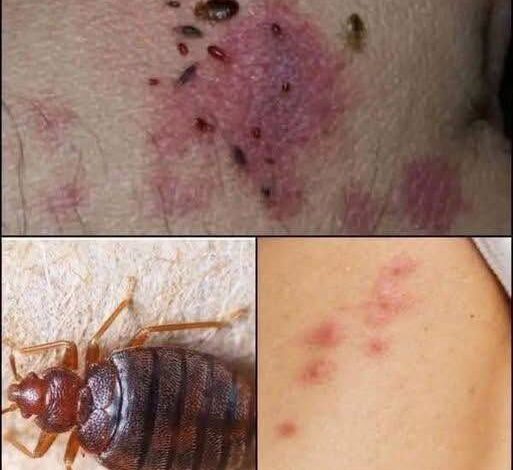
Small red or dark dots on sheets, mattresses, or skin can be an early warning of bed bugs. The insects are excellent at hiding in seams, cracks, headboards, and furniture joints, so many people notice the traces before they see a live bug. Bites may appear as itchy raised spots, sometimes in a line or cluster, but skin reactions vary widely. Some people develop obvious irritation while others show almost no visible response.
Inspect the sleeping area carefully before deciding what the dots mean. Dark specks on fabric can be bed bug waste, while rusty stains may come from insects crushed during sleep. Tiny pale eggs, shed skins, or live flat brown bugs provide stronger evidence. Use a flashlight along mattress piping, beneath labels, around the bed frame, behind the headboard, and near baseboards. Do not move belongings into another room, because that can spread the infestation.
Diatomaceous earth is a commonly used nonchemical tool, but only food-grade material intended for pest control should be considered. It works by damaging the insect’s protective outer layer, causing it to dry out. Begin by vacuuming the mattress, frame, carpet edges, furniture, and visible cracks. Empty the vacuum outdoors into a sealed bag or clean the canister immediately so surviving bugs do not escape back into the home.
Apply a very light layer of diatomaceous earth in dry, protected locations where bugs travel. Thick piles are less effective because insects may avoid them. Keep the powder away from faces, children, pets, fans, and places where it can become airborne. Follow the product label exactly and never inhale the dust. Leave treated areas undisturbed for several days, then vacuum and repeat only as the instructions permit.
Cloves and clove oil are sometimes recommended because eugenol has a strong smell and may affect some insects. However, a pleasant or powerful scent is not reliable proof that a bed bug population has been eliminated. A homemade clove spray may drive insects deeper into walls or furniture while eggs remain untouched. Essential oils can also irritate skin, damage surfaces, and be unsafe around some pets. They should not be treated as the main answer to an established infestation.
Effective control usually combines several methods. Wash and dry bedding and clothing on temperatures the fabric can safely tolerate, then store clean items in sealed bags or containers. Use bed bug-proof mattress and box-spring encasements, reduce clutter, and place monitoring interceptors under bed legs. Steam can help on suitable surfaces when applied slowly and carefully. Avoid foggers, which often fail to reach hiding places and can create fire or exposure hazards.
If signs continue, contact a licensed pest-management professional. Bed bugs are difficult to remove because they hide well, reproduce steadily, and may occupy more than one room. A professional can confirm the insect, design a treatment plan, and return for follow-up inspections. The dots should prompt careful action, not panic. Confirm the cause, protect nearby rooms, use products safely, and keep monitoring until there is clear evidence that the infestation has ended.
Skin marks alone can have many causes, including mosquitoes, fleas, contact irritation, medication reactions, and other conditions. Seek medical advice when spots are painful, rapidly spreading, accompanied by fever, infected, or otherwise concerning. A clinician can treat the reaction but usually cannot confirm bed bugs from a bite pattern alone, so bring photographs or a captured specimen if possible. Pest identification and medical care solve different parts of the problem. Treat the home based on verified insect evidence and treat the person based on symptoms. That prevents unnecessary pesticide exposure while ensuring a genuine infestation is not allowed to grow unnoticed.