ATTENTION to These First Signs of Infection Why Doctors Warn That Even a Small Cut or Insect Bite Needs Care
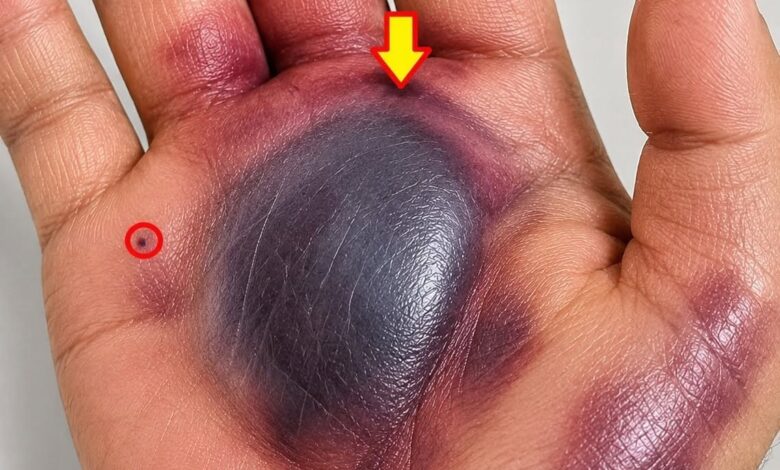
I nearly ignored a tiny scratch from a rose thorn. I rinsed it, covered it, and returned to the garden because it seemed too small to matter. A few days later, the skin was red, warm, swollen, and tender. By the next morning, a thin red streak was moving up my finger. That was the moment I understood that an infection can begin with an injury that looks trivial.
Redness immediately around a fresh cut can be part of normal healing. The warning is change. Redness that spreads, swelling that increases, pain that becomes stronger, or warmth that extends beyond the original wound suggests the immune system may be responding to bacteria beneath the skin.
Drainage matters too. Clear fluid can appear during healing, but thick yellow, green, or foul-smelling pus is concerning. A wound that reopens, develops dark tissue, forms blisters, or refuses to improve should be assessed. Photographing it once or twice a day under similar lighting can make progression easier to recognize.
Red streaks moving away from the wound require prompt attention because they can indicate inflammation traveling through lymphatic vessels. Fever, chills, unusual fatigue, rapid heartbeat, confusion, or feeling seriously unwell can mean the infection is no longer limited to the skin. Those symptoms should not be managed by simply applying another bandage.
People with diabetes, poor circulation, immune suppression, chronic swelling, or a history of serious skin infections need to be especially cautious. Reduced sensation can hide pain, and reduced blood flow can slow healing. Bites on the face or hands, deep punctures, contaminated wounds, and injuries near joints may also require earlier evaluation.
First aid begins with washing hands, then rinsing the wound with clean running water. Gently remove visible dirt with clean tweezers if it can be done safely. Wash the surrounding skin with mild soap, apply a clean dressing, and change it when wet or dirty. Harsh chemicals repeatedly poured into tissue can delay healing.
Do not squeeze an abscess, cut into a swollen area, or use leftover antibiotics. The wrong drug, dose, or duration can fail to treat the bacteria and contribute to resistance. Some infections require drainage, a culture, prescription medicine, or imaging to determine how deep they extend.
Animal and human bites carry particular risks because bacteria can be pushed deep into tissue. A clinician may also review tetanus vaccination and, depending on the animal and location, rabies exposure. Insect bites usually improve with basic care, but scratching can break the skin and create an entry point for bacteria.
Marking the edge of redness with a pen and writing the time can show whether it is spreading while a person arranges care. This is not a substitute for evaluation when symptoms are severe. Emergency help is appropriate for confusion, breathing difficulty, faintness, severe pain, rapidly advancing discoloration, or signs of shock.
My scratch improved because I stopped dismissing the change and sought treatment. The lesson was not to panic over every nick. It was to notice the direction of healing. A healthy wound should gradually become less painful, less swollen, and more closed. A wound moving in the opposite direction is asking for attention.
Small cuts and bites deserve simple, consistent care from the beginning. Clean them, cover them, watch them, and know the signs that require help. The size of the original injury does not always predict the seriousness of the infection that follows.
Prevention also includes gloves for thorny plants, footwear outdoors, clean tools, and prompt attention to splinters. People should know where to obtain care after hours and keep vaccination records accessible. When a clinician prescribes antibiotics, the medicine should be taken exactly as directed and symptoms should be reviewed if they continue spreading. Early treatment is usually simpler than treatment after bacteria have reached deeper tissue or the bloodstream.