Aluminum Foil Under Your Pillow! A Viral Sleep Trick or Just a Myth?
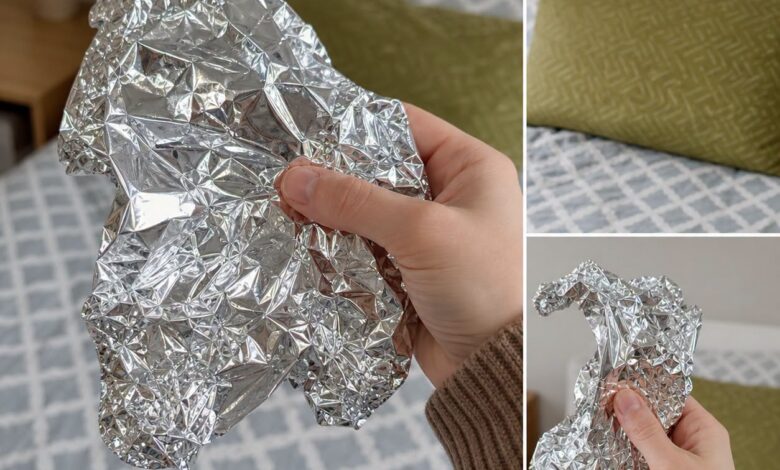
People searching for better sleep have begun placing sheets of aluminum foil beneath their pillows. Videos and posts claim that the metal blocks electromagnetic fields, calms the nervous system, reduces pain, prevents nightmares, or helps the brain disconnect from digital signals. The simplicity of the ritual makes it easy to try and easy to share.
The trend appeals to a familiar frustration. Many people are exhausted but remain alert in bed, surrounded by phones, routers, notifications, street noise, and worries about the next day. Sliding foil under a pillow can feel like taking control of an invisible problem when more complicated solutions have failed.
There is no established scientific evidence that household aluminum foil beneath a pillow improves sleep or protects the body from ordinary wireless signals. A loose sheet is not a properly designed electromagnetic shield, and placing it in one spot does not create a sealed barrier around a person.
Some users may still report sleeping better after trying it. That improvement can be real without proving the physical explanation attached to the foil. A bedtime ritual can become a signal to the brain that the day is ending. Expectation, reduced anxiety, and the decision to put the phone away may change how a person feels even when the metal itself is not producing a medical effect.
This is often described as a placebo response, but the word should not be used dismissively. Expectations can influence perception, stress, and the way symptoms are noticed. The problem begins when a comforting ritual is promoted as a substitute for evidence-based care or as proof that common technology is secretly poisoning everyone.
Aluminum foil can also create practical annoyances. It crinkles when a person moves, may tear into small pieces, and can trap heat or moisture depending on how it is placed. Sharp folded edges could damage bedding or irritate skin. Keeping metal away from electrical outlets, exposed wiring, heating devices, and damaged charging cables is essential.
Better sleep usually begins with less dramatic changes. A regular wake time helps stabilize the body clock. Dimming lights, reducing stimulating screen use before bed, limiting late caffeine, and keeping the room cool and dark can make sleep more predictable. A short routine involving reading, stretching, or quiet breathing can provide the same sense of transition that the foil ritual promises.
Phones do not need to remain beneath the pillow. Charging a device on a stable surface away from the bed reduces temptation to scroll and avoids heat becoming trapped in bedding. Notifications can be silenced, and a separate alarm clock can remove the argument that the phone must stay within reach.
Persistent insomnia deserves more than an internet trick. Loud snoring, gasping during sleep, severe daytime sleepiness, restless legs, frequent waking, or weeks of difficulty falling asleep can point to an underlying condition. A health professional can help identify medication effects, breathing disorders, anxiety, pain, or habits that require a targeted response.
The foil trend also reveals how strongly people want sleep to feel protected. Bedrooms that once marked a clear boundary from work now contain messages, news, entertainment, and demands at every hour. A homemade shield becomes a symbol of resistance against that constant connection.
There is nothing magical about putting foil under a pillow, and there is no reliable reason to expect it to block the signals or cure the problems described in viral claims. If someone enjoys it as a harmless personal ritual and uses it safely, the benefit may come from expectation and routine.
The more dependable lesson is to create the sense of separation directly. Turn off unnecessary alerts, move devices farther away, give the mind a consistent wind-down period, and address ongoing sleep problems with appropriate help. Rest is worth protecting, but a quiet room and sustainable habits offer more than a crinkled sheet of kitchen foil.