A Single Insect Bite Nearly Ended It All: The Nightmarish Reality of One Man’s Forgotten Chores
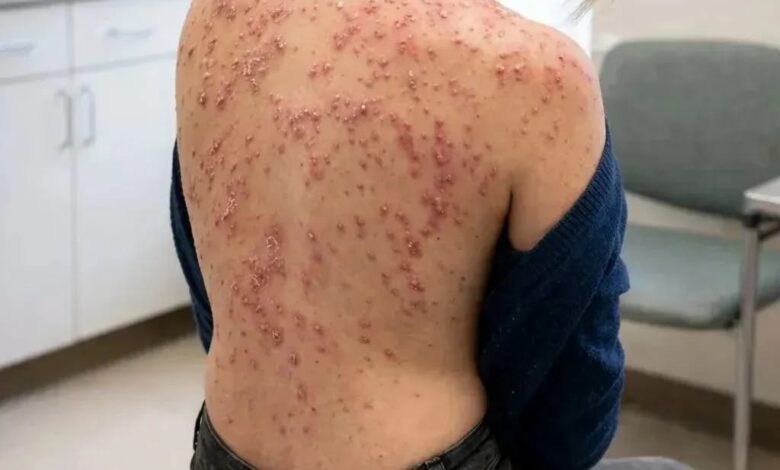
Julián lived alone after a difficult separation and gradually allowed small household tasks to accumulate. A window remained open during humid nights, food crumbs collected near the bed, laundry stayed piled in corners, and gaps around the room were ignored. None of these details seemed dangerous by itself.
One night, he woke with a burning sensation across his skin. At first he assumed it was an ordinary itch, but the discomfort intensified into sharp pain. In the darkness, he felt rapid movement on the bed and realized that insects were crawling around him.
He tried to stand, but dizziness and nausea followed. His breathing became difficult, his throat tightened, and his coordination deteriorated. These are warning signs of a severe allergic reaction. Julián reached his phone and called emergency services, managing to give his address before collapsing.
Paramedics found him in respiratory distress with evidence of multiple bites or stings. They treated the immediate reaction and transported him to the hospital. Clinicians determined that he had experienced acute anaphylaxis, a rapid whole-body allergic response that can become fatal without immediate treatment.
Anaphylaxis can include hives, swelling, wheezing, throat tightness, vomiting, low blood pressure, confusion, or loss of consciousness. Symptoms may begin within minutes and can worsen quickly. Anyone experiencing breathing difficulty or swelling after a bite, sting, food, medicine, or other exposure should call emergency services immediately.
The exact insect involved in Julián’s case was not clearly identified in the account. Descriptions of a “swarm” releasing toxins should therefore be treated cautiously. Multiple stings can increase exposure, but anaphylaxis is an immune reaction and can occur after even one sting in a highly allergic person.
Household clutter does not directly cause anaphylaxis, and a person should not be blamed for an allergic emergency. Yet food remnants, standing water, damaged screens, and open gaps can attract insects or allow them indoors. Basic maintenance reduces opportunities for unwanted contact.
After leaving the hospital, Julián returned to an apartment that no longer felt safe. The memory of waking unable to breathe made every small movement seem threatening. He removed bedding, cleaned behind furniture, sealed window gaps, stored food properly, and arranged a professional inspection.
A thorough response begins with identification. Different insects require different control methods. Spraying random chemicals in sleeping areas can create additional health risks and may scatter rather than eliminate a nest. A licensed pest professional can locate entry points and determine whether bees, wasps, ants, bedbugs, fleas, or another species are present.
Screens should fit securely, cracks around windows and pipes should be sealed, and food should be stored in closed containers. Crumbs, rubbish, and pet food need regular removal. Outdoor nests should never be disturbed by someone without protective equipment and experience.
People with a known history of severe allergic reactions should discuss an emergency plan with a clinician. That may include carrying prescribed epinephrine, understanding how to use it, and ensuring relatives or coworkers know where it is kept. Epinephrine is the first-line emergency treatment, but using it does not replace calling emergency services.
Julián’s physical recovery took time, and the psychological effect lasted longer. Difficulty sleeping and fear of returning to the room are understandable after a life-threatening reaction. Persistent anxiety after a medical emergency may also deserve professional support.
The event changed his household routine, but constant fear was not the goal. A clean and repaired home lowers risk; it cannot guarantee that no insect will ever enter. Practical prevention, correct identification, and medical preparation are more useful than obsessive checking.
The most important part of Julián’s story is not that forgotten chores nearly killed him. It is that he recognized severe symptoms and managed to call for help. Anaphylaxis can progress too quickly for waiting or home remedies.
A bite or sting that causes only mild local redness may not require emergency care, but breathing problems, facial or throat swelling, faintness, widespread hives, or rapidly worsening symptoms are different. Those signs demand immediate action.
Julián survived because responders reached him in time. His experience became a reminder to maintain the home, take allergies seriously, and never dismiss sudden respiratory symptoms after an insect encounter.