A Hidden Message on a Headstone Divides a Cemetery
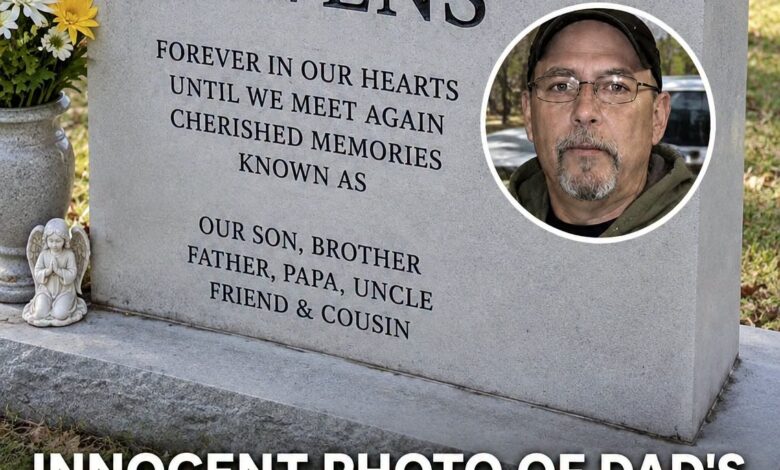
The headstone looked ordinary at first: a beloved grandparent’s name, the dates of a long life, and a touching phrase the family said had always been their private joke. Only later did visitors notice that the first letters of each word spelled out an obscene message—one that couldn’t be unseen once discovered. Some found it hilarious, a final wink from the grave. Others were furious that such a phrase stood in a place meant for mourning and quiet reflection.
Complaints flooded the cemetery office, and officials demanded the family change the inscription, arguing it violated “community standards.” The family refused, insisting that their loved one’s sense of humor was part of who they were, and that grief doesn’t always look solemn. In the end, the stone stayed—for some, a touching tribute; for others, a permanent reminder that even in death, we argue over what should be said out loud.
The dispute began with two different ways of reading the same words. To the family, the inscription carried a memory that belonged to a particular person. They knew the voice behind the joke and the circumstances in which it had become familiar. Seeing it on the headstone connected the formal record of a life with the personality they remembered. A name and two dates could identify their loved one, but the phrase offered something more personal.
Visitors encountered the inscription without that shared history. They saw a memorial in a public setting where many other families came to remember their own losses. Once the hidden message became apparent, it changed the way some of them understood the entire tribute. What had initially looked like a conventional expression of affection now appeared deliberately provocative. The discovery itself helped drive the reaction: the words had not changed, but their meaning suddenly seemed different.
For cemetery officials, the complaints placed a private family choice inside a wider responsibility for the grounds. Their demand for a changed inscription reflected an attempt to preserve the atmosphere they believed visitors should expect. The family, however, saw that demand as an attempt to remove something essential from the memorial. Replacing the phrase might have ended the complaints, but it would also have changed the tribute they had chosen.
Neither side was arguing only about a sequence of letters. The disagreement concerned who gets to define an appropriate remembrance when a personal memorial stands in a shared place. A family may want a monument to sound like the person they lost. Other visitors may expect the surrounding memorials to fit the quiet tone of their own visits. Those expectations can exist together until a particular inscription forces them into conflict.
The stone’s remaining in place left that conflict visible. People could still read the same phrase in very different ways. For those who understood the private joke, it preserved a recognizable piece of a loved one’s character. For those offended by the hidden wording, it remained an unwelcome intrusion. The argument showed how a small detail on a headstone can carry the weight of memory, humor, grief, and the expectations of an entire community.