Why a Slow Cooker Insert Can Crack on a Stovetop
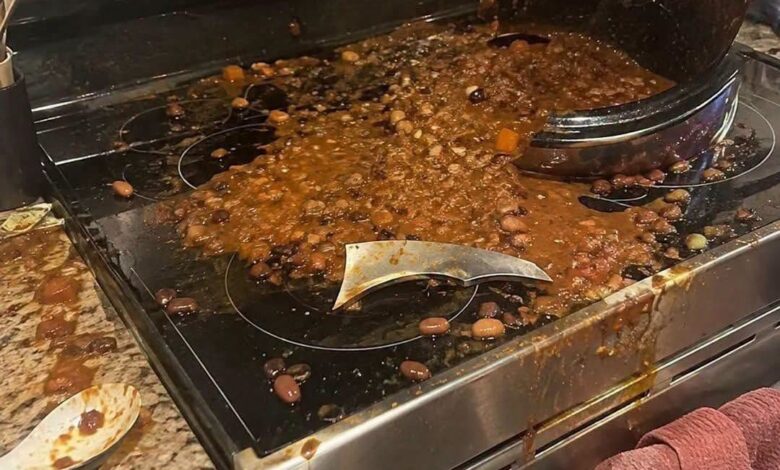
One shortcut can turn a comforting dinner into a kitchen hazard. If you’ve ever considered putting your slow cooker’s removable crock on a burner to brown meat, stop before you turn on the heat. That sturdy-looking pot may hide a dangerous limitation, and ignoring it could leave you facing shattered cookware, spilled food, and a potentially painful kitchen
Slow cookers make dinner easier, but traditional ceramic or stoneware inserts are built for gentle, controlled heating—not concentrated stovetop heat. A burner can cause thermal shock, cracking the crock and releasing hot contents that could cause burns. Never place the entire electrical appliance on a burner. For a removable insert, stovetop use is safe only when the manufacturer explicitly approves it; a sturdy appearance is no guarantee. Oven compatibility also varies, so check your model’s instructions before trying another cooking method.
When a recipe calls for browning meat or sautéing onions, reach for a regular skillet, then transfer the ingredients into the slow cooker. If you accidentally heat a crock on the stove, switch off the burner and let it cool naturally. Never add cold water to hot ceramic. Once cool, inspect for damage and replace a cracked crock. Those extra precautions can protect both your dinner and your family.
A removable pot can look like an ordinary piece of cookware when it is sitting on the counter. Its shape and weight make it easy to assume that it can be used the way a heavy casserole dish or Dutch oven can. The important detail is the manufacturer’s instructions for that particular insert. The fact that a pot is removable says only that it can be lifted out of its base. It says nothing by itself about which heat sources it can handle.
A slow cooker base and a stovetop burner deliver heat differently. Inside the cooker, the insert sits in a housing designed for it. On a burner, much of the heat reaches a small area at the bottom first. The rest of the vessel can remain cooler while that area heats up. As the material expands unevenly, the difference can put stress on the pot. A sudden crack may release both the contents and pieces of the insert.
There is a straightforward way to keep the browning step separate. Brown the meat in a pan made for the burner and then transfer the ingredients to the slow cooker. The separate pan also gives you control over the heat for the brief browning stage, while the slow cooker can do the longer cooking once everything is in its base. If a model comes with an insert expressly designed for stovetop use, its own instructions explain when that feature applies.
The same distinction helps explain why the pot’s appearance is a poor guide. A thick ceramic vessel can feel substantial in the hand, but thickness alone does not show how it will respond to heat concentrated in one spot. Check the model and the instructions before starting. That small step matters far more than whether the pot resembles something that has worked on a stove before.