Understanding COVID 19 Vaccine Reactions and the Evidence Behind Rare Risks
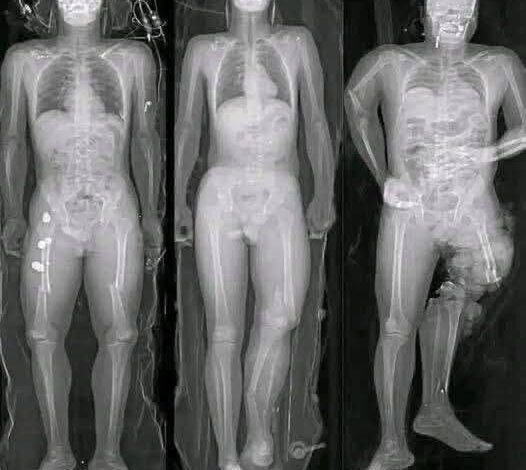
COVID-19 vaccines can cause side effects, but understanding the evidence helps distinguish common reactions from rare medical risks.
Since COVID-19 vaccines were first introduced, billions of doses have been administered worldwide. Their rapid development marked a major scientific achievement, while their widespread use also made long-term safety monitoring essential. Researchers and health authorities have continued to study possible adverse effects, investigate unusual medical events, and update recommendations as new evidence emerges.
Like all medical products, vaccines can cause side effects. Most reactions reported after COVID-19 vaccination are mild and temporary, including a sore arm, fatigue, headache, muscle aches, chills, or a short-lived fever. A small number of rare but serious adverse events have also been identified.
Understanding these differences is important because online discussions about vaccine safety can be confusing. Some posts describe a medical event that occurred after vaccination and immediately blame the vaccine. Others dismiss every concern without considering the evidence. Neither approach provides a reliable understanding of the risks.
A health problem that occurs after vaccination is not automatically caused by the vaccine. Establishing a causal relationship requires careful investigation, including medical assessments, comparisons with expected rates of illness, and analysis of data from large populations.
Medical images alone cannot establish that vaccination caused a particular condition. To understand vaccine safety, it is necessary to consider the available research, recognize symptoms that require medical attention, and discuss individual concerns with qualified healthcare professionals.
Common Side Effects After COVID-19 Vaccination
The most frequently reported COVID-19 vaccine reactions include pain or tenderness at the injection site, fatigue, headache, muscle and joint pain, chills, and a low-grade fever. These symptoms generally occur as the immune system responds to vaccination and often improve within a few days.
Some people experience several symptoms at once, while others notice only a sore arm or no noticeable reaction at all. Not experiencing side effects does not mean that a vaccine has failed to produce an immune response. Similarly, experiencing fatigue or a headache does not reveal how much protection a person has developed.
The intensity of a reaction can vary depending on the vaccine, the dose, and individual factors. One person may feel tired for a day and return to normal activities soon afterward, while another may need additional rest.
For mild symptoms, resting and drinking adequate fluids may help. Anyone considering medication for pain or fever should follow the product instructions and seek professional advice if they have existing medical conditions or take other medicines that could affect what is appropriate.
Symptoms that are severe, unexpected, worsening, or persistent should not automatically be dismissed as a normal vaccine reaction. A healthcare professional can assess the symptoms and determine whether further examination is needed.
Rare but Serious Reactions That Researchers Monitor
Most COVID-19 vaccine reactions are mild, but safety monitoring has identified rare adverse events associated with certain vaccines. These risks deserve careful attention without exaggerating their frequency or dismissing legitimate concerns.
One example is anaphylaxis, a severe allergic reaction that can occur after vaccination. It is rare but requires immediate medical treatment. Vaccination providers therefore follow appropriate observation procedures and maintain arrangements to respond to severe allergic reactions.
Another recognized adverse event associated with mRNA COVID-19 vaccines is myocarditis, inflammation of the heart muscle, or pericarditis, inflammation of the tissue surrounding the heart. These events have been reported most often in adolescent and young adult males, particularly within about a week after a second dose, although cases have also occurred in other groups.
Symptoms that require prompt medical evaluation include chest pain, shortness of breath, or a racing or fluttering heartbeat. These symptoms can have many possible causes, and their appearance after vaccination does not by itself prove that the vaccine was responsible. However, they should not be ignored.
Certain rare blood-clotting events involving low platelet counts have also been associated with some adenovirus-vector COVID-19 vaccines, particularly products used during earlier vaccination programmes. The risks and recommendations differ by vaccine type and location, so people should consult current advice from their local health authority or healthcare professional.
Recognizing rare adverse events is an important part of vaccine safety. Identifying a genuine risk does not mean every illness reported after vaccination was caused by it. Each case and suspected pattern needs appropriate evaluation.
Why a Health Problem After Vaccination Does Not Automatically Mean the Vaccine Caused It
One of the most important concepts in vaccine safety is the difference between a medical event that occurs after vaccination and a confirmed adverse reaction caused by the vaccine.
A medical event may happen shortly after a vaccination without being related to it. The person might have an unrelated infection, an existing medical condition, a reaction to another medication, or an illness that was already developing before the injection.
This distinction matters because millions of people receive vaccines while continuing to experience the ordinary health events that occur in any large population. Some people will become ill shortly after vaccination simply by coincidence. Others may notice a pre-existing condition only after the appointment.
To investigate a possible connection, researchers examine the timing of symptoms, the person's medical history, the type of vaccine received, and whether similar events occur more often than expected among vaccinated people.
They also compare findings across different populations and data sources. A single report can raise an important question, but it usually cannot establish the cause on its own.
When a pattern suggests a possible risk, researchers can carry out more focused studies. Health authorities may update recommendations, issue warnings, or take other measures if the evidence supports doing so. This process helps identify genuine safety concerns while reducing the risk of drawing conclusions from isolated cases.
Safety monitoring is not a guarantee that every rare event will be identified immediately. Some reactions are so uncommon that they may only become apparent after a vaccine has been administered to very large numbers of people. For this reason, safety evaluation continues after a vaccine is authorized for use.
How Scientists Monitor COVID-19 Vaccine Safety
lifetreehub.com
Vaccine safety monitoring uses several complementary methods. Clinical trials provide important information before a vaccine becomes widely available, but even large trials may be too small to detect extremely rare reactions.
After authorization, health authorities continue collecting reports and analyzing medical data from much larger populations. Healthcare professionals and members of the public may report health problems that occur after vaccination. These reports help researchers identify possible safety signals, but they do not automatically prove causation.
Reports can be incomplete, may describe conditions with other explanations, and cannot always establish how frequently a reaction occurs among all vaccinated people. Researchers therefore use additional methods to investigate whether a suspected event is genuinely associated with a vaccine.
These methods may include comparing health outcomes between vaccinated and unvaccinated groups, analyzing medical records, examining the timing of symptoms, and reviewing clinical details. Researchers also consider whether the number of observed cases exceeds the rate expected in the general population.
International cooperation is important because some adverse events are extremely rare. Combining information from different regions can help researchers identify patterns that would be difficult to detect in a single country or dataset.
When credible evidence identifies a risk, authorities can revise recommendations, provide additional warnings, or recommend precautions for particular groups. The process is designed to respond to new evidence rather than assume that the initial understanding of a medical product can never change.
This approach also helps prevent misleading conclusions. A health problem occurring after vaccination deserves appropriate attention, but a causal relationship needs to be supported by evidence.
Questions About Long-Term Health Effects
Many people remain concerned about whether COVID-19 vaccines can cause health problems months or years after vaccination. These questions deserve clear explanations rather than absolute promises or frightening speculation.
Most commonly reported vaccine reactions begin within the first few days and resolve relatively quickly. Rare serious adverse events have been identified, and researchers continue to monitor safety and investigate unexpected patterns.
However, the existence of rare adverse events does not mean that every later health problem is a vaccine injury. Nor does the absence of an immediate reaction guarantee that every possible medical issue can be ruled out. Individual symptoms must be assessed on their own merits.
If someone develops persistent or unexplained symptoms after vaccination, they should not be dismissed. A healthcare professional can review the timing, symptoms, medical history, and other possible explanations to determine whether further evaluation is appropriate.
At the same time, a timeline alone cannot establish causation. A person may develop an illness after vaccination without the vaccine being responsible. Careful assessment is necessary to distinguish these possibilities.
Online photographs of scans, X-rays, or other medical images can be particularly misleading when they are presented without patient history, clinical findings, or a verified explanation. An image may show a genuine medical condition, but it cannot establish the cause by itself.
When reading a claim about long-term effects, look for the original research, the number of people studied, the type of vaccine involved, and whether independent researchers have reviewed the findings. Be cautious when a headline claims to prove a widespread problem using only one image or one person's experience.
The most responsible approach is to remain open to credible new evidence while avoiding conclusions that go beyond what the research actually shows.
How to Make an Informed Vaccination Decision
adamsinternalmedicine.com
Vaccination decisions should consider both potential benefits and possible risks. The balance can differ according to a person's age, underlying health conditions, previous vaccination, prior infection, circulating variants, and the vaccine options available.
People at greater risk of severe COVID-19 may have different vaccination recommendations from younger, healthy individuals. Guidance can also change as new evidence becomes available, so decisions should be based on current recommendations from reliable health authorities.
Anyone who has experienced a serious reaction to a previous dose, has a history of severe allergic reactions, or has questions about a particular medical condition should discuss vaccination with a healthcare professional. The clinician can review the relevant vaccine information and explain which precautions or alternatives may be appropriate.
It is also important to consider the risks of COVID-19 itself. Infection can cause complications, including severe respiratory illness and other health problems, and the risk varies between individuals. Comparing vaccine risks with the risks associated with infection helps provide a more complete picture than considering either one in isolation.
People should avoid making medical decisions based solely on viral posts, dramatic photographs, or claims that do not identify their sources. Reliable information should explain what was studied, how the conclusions were reached, and what remains uncertain.
Warning Signs That Need Medical Attention
Knowing which symptoms require attention can help people respond appropriately after vaccination.
Severe difficulty breathing, collapse, or signs of a severe allergic reaction require emergency medical care. Do not wait for symptoms to disappear on their own.
Chest pain, shortness of breath, or a racing or fluttering heartbeat should also be assessed promptly, particularly if they develop after vaccination. These symptoms can have many causes, and medical evaluation is needed to determine what is happening.
Other symptoms that are severe, persistent, or getting worse should be discussed with a healthcare professional rather than automatically attributed to vaccination or dismissed as harmless.
For mild, short-lived reactions such as soreness at the injection site or fatigue, rest and fluids may be sufficient. However, people with existing medical conditions or concerns about medication should seek individualized advice.
The goal is not to become anxious about every sensation after vaccination. It is to recognize significant symptoms, seek help when necessary, and avoid self-diagnosing from information found online.
What the Evidence Really Tells Us
COVID-19 vaccines, like other medical products, can cause side effects. Most reported reactions are mild and temporary, while certain rare serious adverse events have been identified and investigated.
Researchers and health authorities continue to monitor vaccine safety, study potential risks, and update recommendations when warranted. This ongoing process is important because both the benefits and risks of medical interventions need to be evaluated carefully.
A medical problem that occurs after vaccination deserves appropriate attention, but timing alone does not prove that the vaccine caused it. Likewise, concerns about rare adverse events should not be dismissed simply because those events are uncommon.
The medical images in the supplied material do not establish a diagnosis or demonstrate a causal link between vaccination and a particular condition. Reliable conclusions require clinical context and scientific evidence.
For anyone concerned about their health after vaccination, the most useful next step is to discuss the symptoms with a qualified healthcare professional. For those making a vaccination decision, current medical guidance and individual risk factors provide a stronger foundation than sensational headlines.
Ultimately, informed decisions depend on accurate information, careful investigation, and a willingness to acknowledge both established risks and the limits of what is known.