Right Side or Left Side Which Sleeping Position Is Better for Snoring and Acid Reflux
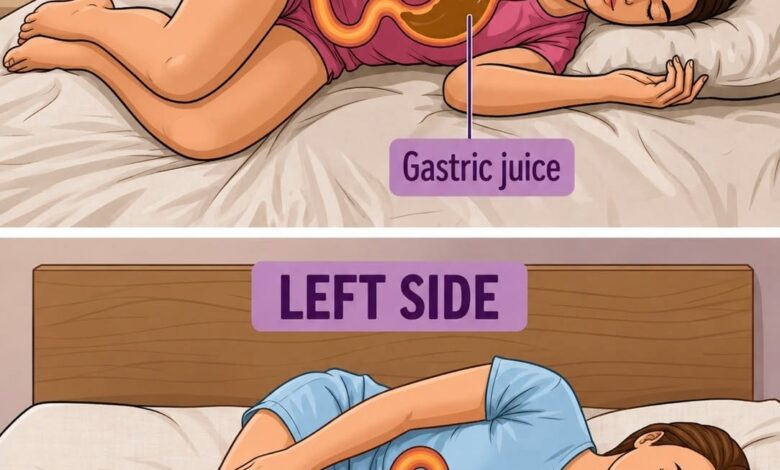
The side you sleep on may affect snoring, reflux, and sleep quality.
Many people wonder whether sleeping on the right side helps reduce snoring. Research suggests that while side sleeping is generally better than sleeping on the back, the left side may provide additional benefits for people with acid reflux and certain breathing issues.
Getting a good night's sleep is about more than simply spending enough hours in bed. The position you sleep in can influence breathing, digestion, and overall sleep quality. One of the most common questions people ask is whether sleeping on the right side can reduce snoring or whether another sleeping position is actually more beneficial.
Snoring occurs when the airway becomes partially blocked during sleep. As the muscles in the throat relax, the tongue and soft tissues may narrow the airway, causing airflow to vibrate these tissues and produce the familiar snoring sound. Factors such as body weight, allergies, nasal congestion, alcohol consumption, and sleep posture all play a role in determining how severe snoring becomes.
Medical experts generally agree that sleeping on either side is better than sleeping flat on your back. When lying on the back, gravity can pull the tongue and soft palate toward the airway, making obstruction more likely and increasing the intensity of snoring. Simply changing to a side-sleeping position often helps many people breathe more comfortably during the night.
However, not all side-sleeping positions have identical effects.
For many individuals, sleeping on the right side may reduce snoring compared with sleeping on the back. Keeping the airway more open can improve airflow and decrease vibration in the throat. This position may be comfortable for many healthy adults and can contribute to more restful sleep.
On the other hand, many sleep specialists suggest that sleeping on the left side may provide additional advantages, particularly for people who experience acid reflux or gastroesophageal reflux disease (GERD). Because of the natural shape and position of the stomach, lying on the left side may help keep stomach acid from flowing back into the esophagus, reducing nighttime heartburn and irritation that can worsen snoring.
Acid reflux is closely connected to sleep quality. When stomach acid repeatedly reaches the throat, it can irritate surrounding tissues, causing inflammation that narrows the airway. This irritation may make snoring worse and increase nighttime coughing or discomfort. For people with frequent reflux symptoms, changing sleep position is often recommended alongside other lifestyle modifications.
Individuals diagnosed with obstructive sleep apnea should remember that sleep position alone is usually not enough to treat the condition. Although side sleeping may reduce symptoms in some patients, medical evaluation remains essential. Treatments such as continuous positive airway pressure (CPAP), oral appliances, weight management, or surgery may be necessary depending on the severity of the disorder.
In addition to changing sleeping position, several healthy habits may help reduce snoring naturally. Maintaining a healthy weight, avoiding alcohol before bedtime, treating nasal congestion, establishing a consistent sleep schedule, and sleeping with the head slightly elevated can all improve nighttime breathing. Using supportive pillows designed for side sleepers may also help maintain proper alignment throughout the night.
6
While sleeping on the right side may help reduce snoring for some people, current evidence suggests that the left side is often the preferred choice for individuals with acid reflux because it helps limit stomach acid from moving upward into the esophagus. The best sleeping position ultimately depends on your individual health, comfort, and any underlying medical conditions.
If loud snoring is accompanied by pauses in breathing, excessive daytime sleepiness, morning headaches, or choking during sleep, it is important to seek medical advice. These symptoms may indicate obstructive sleep apnea, a condition that requires proper diagnosis and treatment.
Improving sleep quality often begins with small changes. Choosing the most suitable sleeping position, practicing healthy bedtime habits, and addressing any underlying health issues can help you enjoy quieter, more restorative sleep.
1. Why Your Sleeping Position Matters More Than You Think
A good night's sleep depends on more than the number of hours you spend in bed. Your sleeping position can influence how easily you breathe, how frequently stomach acid travels into your esophagus, and how comfortable you feel throughout the night.
For people who snore or experience acid reflux, a simple question often arises: Should you sleep on your right side or your left?
The answer depends on the problem you are trying to manage.
For snoring, sleeping on either side is generally preferable to lying flat on your back, particularly when snoring becomes worse in the back-sleeping position. However, there is not enough evidence to conclude that the right side is consistently better than the left for everyone who snores.
For nighttime acid reflux, the evidence more consistently favors sleeping on the left side. This position can help reduce the amount of stomach acid that reaches the esophagus and may shorten the time acid remains there.
What if you experience both problems?
Starting the night on your left side may be a reasonable first step because it can help with reflux while also avoiding the back-sleeping position that aggravates snoring in many people.
Nevertheless, sleeping position is only one part of the picture. Persistent loud snoring, repeated choking during sleep, and frequent nighttime heartburn may require medical evaluation rather than a change of pillow alone.
Understanding why these positions affect the body can help you make a more informed choice.
2. What Actually Causes Snoring?
Snoring occurs when air moves through a narrowed upper airway during sleep, causing surrounding tissues to vibrate.
When you fall asleep, muscles throughout your body relax, including muscles in the tongue, soft palate, and throat. In some people, this relaxation makes the airway narrower.
Air can still pass through, but the increased resistance causes soft tissues to vibrate and produce sound.
Several factors can make snoring more likely:
Sleeping on the back.
Excess body weight, particularly when tissue around the neck narrows the airway.
Nasal congestion or structural narrowing of the nasal passages.
Alcohol consumption close to bedtime.
Certain sedating medicines.
Individual differences in the structure of the jaw, tongue, and throat.
Obstructive sleep apnea, a condition involving repeated episodes of partial or complete airway obstruction during sleep.
Not everyone who snores has sleep apnea. Occasional snoring can occur in otherwise healthy people, particularly during a cold, after drinking alcohol, or when sleeping in an unfavorable position.
However, persistent loud snoring should not automatically be considered harmless.
If your snoring is accompanied by pauses in breathing, gasping, choking, morning headaches, or significant daytime sleepiness, you should seek medical advice.
These symptoms may indicate obstructive sleep apnea, which can affect sleep quality, blood pressure, and cardiovascular health when left untreated.
Source: NHS — Snoring .
3. Why Sleeping on Your Back Can Make Snoring Worse
When you lie flat on your back, gravity can encourage the tongue and other soft tissues to move backward toward the throat.
For people whose airways are already relatively narrow, this can increase airflow resistance and make snoring more pronounced.
The effect is particularly noticeable in people with positional snoring, meaning their snoring becomes worse when they sleep on their backs and improves when they turn onto their sides.
In some people with obstructive sleep apnea, breathing interruptions also become more frequent when lying on the back.
This explains why changing position can sometimes produce a noticeable improvement without requiring medication or specialized equipment.
However, the benefit varies from person to person. Someone whose snoring is primarily caused by nasal obstruction, significant anatomical narrowing, or severe sleep apnea may continue to snore even when sleeping on their side.
Changing position is therefore best viewed as a potentially helpful measure rather than a guaranteed solution.
If you regularly wake up with a dry mouth, feel unrefreshed despite sleeping for many hours, or find yourself struggling to stay awake during the day, do not assume that side sleeping alone will solve the problem.
A healthcare professional can help determine whether additional evaluation is needed.
4. Is Sleeping on the Right Side Better for Snoring?
Some people find that sleeping on the right side reduces their snoring. Others notice greater improvement on the left.
Both experiences are possible.
The main reason side sleeping often helps is that it changes the effect of gravity on the upper airway. Compared with lying flat on the back, either side position may help reduce airway narrowing in people whose symptoms are position-dependent.
However, evidence that the right side is universally superior to the left for ordinary snoring remains limited.
Sleep studies may identify different responses depending on a person's anatomy, the severity of their airway obstruction, and whether they have obstructive sleep apnea.
For some patients with positional sleep apnea, particular side positions may produce better breathing measurements than others. These findings cannot automatically be applied to every person who snores.
If you do not experience acid reflux and find that sleeping on your right side is more comfortable, there is generally no need to force yourself to switch sides solely because of a broad online recommendation.
Instead, pay attention to your symptoms.
Does snoring become quieter when you sleep on your side? Do you wake less frequently? Does your partner notice fewer episodes of noisy breathing?
These observations can be useful, although they cannot diagnose or rule out sleep apnea.
If snoring remains loud or disruptive despite positional changes, professional assessment is the more appropriate next step.
5. Why the Left Side Is Often Recommended for Acid Reflux
The left side has a particular advantage for people who experience nighttime heartburn or regurgitation.
To understand why, it helps to look at the relationship between the stomach and esophagus.
The esophagus is the tube that carries food from the mouth to the stomach. At the lower end of the esophagus, a muscular valve-like region helps prevent stomach contents from flowing backward.
This area is commonly called the lower esophageal sphincter.
When the barrier does not function effectively, or when other factors promote reflux, stomach contents can move upward into the esophagus.
This is known as gastroesophageal reflux. When symptoms are frequent or troublesome, the condition may be diagnosed as gastroesophageal reflux disease, or GERD.
The stomach is positioned mainly on the left side of the upper abdomen. When a person lies on the left side, the relationship between the stomach and the esophagus generally makes it more difficult for stomach contents to flow backward into the esophagus.
Research suggests that left-side sleeping can reduce nighttime acid exposure and help acid clear from the esophagus more quickly.
By comparison, lying on the right side can place the junction between the stomach and esophagus in a position that favors reflux in some people.
This is why gastroenterology guidance often recommends starting the night on the left side for people with nighttime reflux symptoms.
Source: American College of Gastroenterology — Clinical Guideline for the Diagnosis and Management of GERD .
6. What Happens When You Sleep on the Right Side and Have Acid Reflux?
For people who frequently experience heartburn, right-side sleeping may make nighttime reflux more troublesome.
Some studies have found that people spend more time exposed to esophageal acid when lying on the right side than when lying on the left.
The difference relates partly to the position of the stomach contents and the way gravity influences the movement of refluxate.
On the right side, stomach contents may be positioned in a way that makes it easier for acid to reach the esophagus. On the left side, the stomach's position generally offers a more favorable arrangement.
This does not mean that every person who sleeps on the right will experience reflux.
The severity of symptoms also depends on meal size, the timing of dinner, the composition of the meal, body weight, medications, and the function of the lower esophageal sphincter.
Some people with GERD experience symptoms regardless of which side they choose.
Nevertheless, if you repeatedly wake up with burning in the chest, a sour taste in the mouth, or fluid rising into the throat, experimenting with left-side sleeping may be worthwhile.
If symptoms persist despite lifestyle changes, seek medical advice rather than assuming that changing position will be sufficient.
7. Can Acid Reflux Make Snoring Worse?
Acid reflux and snoring can occur together, but the relationship is not simple.
During reflux, stomach contents may reach the esophagus and sometimes the throat. This can produce heartburn, a sour taste, coughing, or throat irritation.
Some people also report hoarseness, throat clearing, or a sensation of irritation after waking.
These symptoms can interfere with sleep and may coexist with snoring.
However, it is important not to assume that reflux directly causes every case of snoring.
Snoring is primarily associated with vibration of tissues in a narrowed upper airway. Reflux is a separate process involving the backward movement of stomach contents.
Some people have both conditions because they share certain risk factors or because their symptoms overlap. Others have snoring without reflux or reflux without snoring.
If you have both conditions, treating each problem appropriately may improve your overall sleep experience.
For reflux, left-side sleeping, avoiding late meals, and elevating the upper body may help.
For snoring, side sleeping, addressing nasal congestion, avoiding alcohol close to bedtime, and managing excess body weight when relevant may be useful.
If breathing pauses or choking occur during sleep, do not rely on reflux treatment or positional changes as a substitute for an evaluation for sleep apnea.
8. What If You Have Both Snoring and Acid Reflux?
This is where the choice of sleeping position becomes particularly useful.
If you experience both nighttime snoring and acid reflux, starting on your left side is a reasonable option for many adults.
It avoids lying flat on the back, which can worsen positional snoring, while also offering an advantage for nighttime reflux.
However, no sleeping position can guarantee that both conditions will disappear.
Some people with obstructive sleep apnea continue to experience airway obstruction while sleeping on either side. Others experience reflux even when sleeping on the left.
If you have persistent symptoms, consider combining positional changes with other measures.
For example:
Avoid lying down for approximately three hours after your evening meal if reflux is a problem.
Raise the head of the bed or use a suitable wedge pillow to elevate the upper torso.
Avoid alcohol close to bedtime, especially if it worsens snoring.
Address persistent nasal congestion with appropriate treatment.
Discuss frequent or severe reflux symptoms with a healthcare professional.
Seek evaluation if snoring is accompanied by breathing pauses or excessive daytime sleepiness.
The aim is to identify the combination of changes that best addresses your symptoms without relying on a single intervention.
9. How to Elevate Your Upper Body for Better Sleep
For people with nighttime acid reflux, elevating the upper body can be helpful in addition to sleeping on the left side.
When the body lies completely flat, gravity no longer helps keep stomach contents away from the esophagus in the same way it does when a person is upright.
Elevating the upper torso can reduce nighttime reflux symptoms and esophageal acid exposure in some people.
A wedge pillow designed to support the upper body is one option. Another is an adjustable bed that raises the head and torso.
Simply stacking several ordinary pillows beneath the head is often less effective because it can bend the body at the neck or waist without adequately elevating the torso.
If you choose a wedge pillow, look for one that supports the upper back and torso comfortably.
The goal is to create a gradual incline rather than forcing the neck into an awkward position.
Head-of-bed elevation is primarily a strategy for reflux. It may also help some people who snore, but it should not be considered a substitute for treatment when obstructive sleep apnea is present.
If you experience neck pain, back discomfort, or breathing problems when using an elevated position, stop and seek advice about a more suitable arrangement.
Source: Systematic Review — Clinical Effectiveness of Interventions for Nocturnal Gastroesophageal Reflux .
10. The Three-Hour Rule: Why Dinner Timing Matters
One of the most practical changes for people with nighttime reflux is to leave enough time between the evening meal and going to bed.
Lying down soon after eating can make reflux more likely, especially after a large meal.
When the stomach is full, its contents may more easily move upward into the esophagus. Remaining upright after eating allows gravity to help keep food and stomach contents in the stomach.
For many people with nighttime reflux, avoiding meals during the two to three hours before bedtime is a reasonable starting point.
For example, if you usually go to bed at 10:30 p.m., finishing dinner by approximately 7:30 p.m. may help.
The precise timing depends on your schedule and symptoms, and this measure does not guarantee that reflux will stop.
Meal size also matters. A very large evening meal may trigger symptoms even when eaten several hours before bed.
Consider having a moderate dinner and avoiding large late-night snacks if they repeatedly cause discomfort.
If you are hungry later in the evening, experiment with the timing and size of your meals rather than assuming that every food must be eliminated.
People with persistent reflux should seek medical guidance, particularly if symptoms are frequent or interfere with sleep.
11. Foods and Drinks That May Trigger Nighttime Reflux
There is no single diet that works for everyone with GERD.
Some people notice that high-fat meals, spicy foods, chocolate, coffee, alcohol, acidic foods, or carbonated drinks make their symptoms worse.
Others tolerate many of these foods without difficulty.
Rather than eliminating numerous food groups at once, keep track of what you eat and when symptoms occur.
A simple diary can help identify patterns.
Record the time of your evening meal, the types of food and drinks consumed, when you go to bed, and whether you experience heartburn or regurgitation during the night.
If a particular food repeatedly triggers symptoms, reducing it may be useful.
It is also worth considering portion size. A large meal may produce more discomfort than a smaller portion of the same food.
Avoid unnecessarily restrictive diets, especially if you have other health conditions or nutritional needs.
If reflux is persistent, dietary adjustments should complement appropriate medical assessment rather than replace it.
12. Other Habits That May Reduce Snoring
Changing sleep position can help, but other lifestyle measures may also reduce snoring.
Maintain a healthy weight when appropriate
Excess tissue around the neck and upper airway can contribute to airway narrowing during sleep.
For people who are overweight, gradual weight loss may reduce snoring and can improve some cases of obstructive sleep apnea.
Weight is only one factor, however. People of all body sizes can snore or have sleep apnea.
Avoid alcohol close to bedtime
Alcohol can relax muscles in the upper airway and make snoring worse in some people.
Reducing or avoiding alcohol in the hours before sleep may be helpful, particularly if you notice a clear connection between drinking and noisy breathing.
Treat nasal congestion
A blocked nose can make breathing less comfortable and encourage mouth breathing.
If allergies or nasal congestion are contributing to your symptoms, appropriate treatment may help.
Saline rinses or nasal strips may help some people with nasal symptoms, but they do not treat the underlying airway obstruction of obstructive sleep apnea.
Ask a pharmacist or healthcare professional about suitable treatment if congestion is persistent.
Keep a consistent sleep schedule
Irregular sleep schedules and inadequate sleep can contribute to poor sleep quality and daytime fatigue.
A consistent bedtime, a comfortable sleeping environment, and adequate sleep duration support general sleep health.
These habits may not eliminate snoring, but they can improve the overall quality of your rest.
Source: Mayo Clinic — Snoring: Diagnosis and Treatment .
13. Why Snoring Should Not Always Be Treated as a Minor Problem
Snoring is common, but certain patterns suggest that it may be associated with obstructive sleep apnea.
This condition occurs when the upper airway repeatedly narrows or closes during sleep, temporarily reducing or stopping airflow.
The brain may briefly arouse the person to restore breathing. These interruptions can happen repeatedly throughout the night, fragmenting sleep even when the person does not fully wake up or remember the episodes.
Possible warning signs include:
Loud, persistent snoring.
Pauses in breathing noticed by a partner.
Gasping, choking, or snorting during sleep.
Excessive daytime sleepiness.
Morning headaches.
Difficulty concentrating.
Waking up feeling unrefreshed despite spending enough time in bed.
Not everyone with sleep apnea has every symptom.
If you recognize these signs, arrange an assessment with a healthcare professional. A sleep study may be recommended to determine whether sleep apnea is present and how severe it is.
Treatment may include positive airway pressure therapy, an oral appliance, positional therapy for selected patients, or other interventions depending on the individual case.
Sleeping on your side may help some people, but it should not replace prescribed treatment for diagnosed sleep apnea.
Untreated sleep apnea can contribute to high blood pressure and other health complications.
Source: NHS — Sleep Apnoea .
14. When Acid Reflux Needs Medical Attention
Occasional heartburn can happen to many people, especially after a large meal.
However, frequent or severe reflux should not simply be accepted as a normal part of life.
Arrange a medical appointment if heartburn occurs regularly, repeatedly wakes you at night, or does not improve with reasonable lifestyle changes.
A healthcare professional can assess whether you may have GERD and whether medication or further investigation is appropriate.
Seek prompt medical assessment if you have difficulty swallowing, persistent vomiting, unexplained weight loss, or evidence of gastrointestinal bleeding, such as vomiting blood or passing black, tarry stools.
Chest pain requires particular care. Reflux can cause chest discomfort, but heart problems can produce similar symptoms.
If chest pain is severe, new, unexplained, or accompanied by shortness of breath, sweating, faintness, or pain spreading to the arm, back, neck, or jaw, seek emergency medical help rather than assuming it is acid reflux.
Do not attempt to diagnose potentially serious symptoms based solely on whether changing sleeping positions makes them better.
15. How to Make Side Sleeping More Comfortable
Some people naturally prefer sleeping on their backs or stomachs and find it difficult to remain on their side throughout the night.
Fortunately, several practical adjustments can make side sleeping more comfortable.
Choose a supportive pillow. The pillow should keep your head and neck reasonably aligned with your spine. A pillow that is too high or too low may cause neck discomfort.
Place a pillow between your knees. This may reduce pressure on the hips and help some people maintain a comfortable position.
Use a body pillow if needed. A body pillow can support the torso and legs, making it easier to remain on your side.
Avoid forcing an uncomfortable position. If one side causes shoulder pain or aggravates another condition, try the opposite side or ask a healthcare professional for guidance.
Change position gradually. If you tend to roll onto your back, a body pillow behind your back may provide a gentle reminder to remain on your side.
Some people use positional devices designed to discourage back sleeping. These can be useful for selected individuals, but comfort and effectiveness vary.
If you have a medical condition that affects your ability to lie on either side, follow individualized advice rather than forcing a particular position.
16. Is There One Best Sleeping Position for Everyone?
No single sleeping position is ideal for every person.
For nighttime reflux, the left side often has a clear practical advantage.
For positional snoring, sleeping on either side may help compared with sleeping flat on the back.
For people with both conditions, starting on the left side is a reasonable option because it may address both concerns at once.
However, personal comfort and underlying health conditions still matter.
Some people may have shoulder, hip, or back problems that make side sleeping difficult. Others may have medical conditions requiring specific positioning advice.
The purpose of changing sleep position is to improve comfort and reduce symptoms, not to follow a rigid rule that makes sleep more difficult.
If you try left-side sleeping and notice less heartburn but continued loud snoring, you may need to address the two problems separately.
If you sleep comfortably on your right side without reflux and your snoring improves, there may be no reason to change solely because the left side is often recommended for GERD.
The most useful approach is to match the sleeping position to your symptoms and seek medical assessment when those symptoms suggest an underlying disorder.
17. A Simple Nighttime Routine to Try
If you regularly experience both snoring and acid reflux, consider the following routine for a few weeks, provided it is comfortable and appropriate for your health.
Three hours before bed: Finish your evening meal when practical. Avoid unusually large late-night meals, especially if they trigger heartburn.
During the evening: Limit alcohol close to bedtime if it worsens snoring. Notice whether particular foods or drinks consistently aggravate reflux.
Before going to bed: If nasal congestion is a problem, use an appropriate treatment recommended by your healthcare professional or pharmacist.
When you lie down: Begin on your left side. Use a comfortable pillow to support your neck and consider a body pillow to help maintain the position.
If reflux remains troublesome: Consider a wedge pillow or an adjustable bed that elevates the upper torso rather than simply stacking pillows beneath your head.
In the morning: Make a brief note of whether you experienced heartburn, coughing, choking, or unusually poor sleep. If you have a bed partner, ask whether snoring appeared to improve.
This routine can help you identify patterns, but it is not a diagnostic test.
If loud snoring, breathing pauses, or persistent reflux continue, arrange a medical evaluation rather than extending the experiment indefinitely.
18. The Bottom Line: Left or Right?
The most useful answer depends on which symptom matters most.
For people who primarily snore, either side may be better than sleeping flat on the back, especially if their snoring is position-dependent. There is no universal rule that the right side is always best for snoring.
For people with acid reflux, the left side is generally the preferred starting position because it may reduce nighttime acid exposure and help the esophagus clear reflux more efficiently.
For people who experience both snoring and reflux, beginning the night on the left side is a sensible option, combined with avoiding late meals, elevating the upper torso when appropriate, and addressing other factors that contribute to snoring.
Remember, however, that sleeping position is not a cure for every sleep problem.
Frequent nighttime heartburn may require treatment for GERD, while loud snoring accompanied by pauses in breathing, gasping, or daytime sleepiness may indicate obstructive sleep apnea.
Pay attention to your symptoms, make changes that are comfortable and sustainable, and seek professional advice when problems persist.
A better night's sleep often begins with small adjustments, but lasting improvement depends on identifying the causes of disturbed sleep and treating them appropriately.