I Found An Old Toaster That Looks Nothing Like The Ones We Use Today
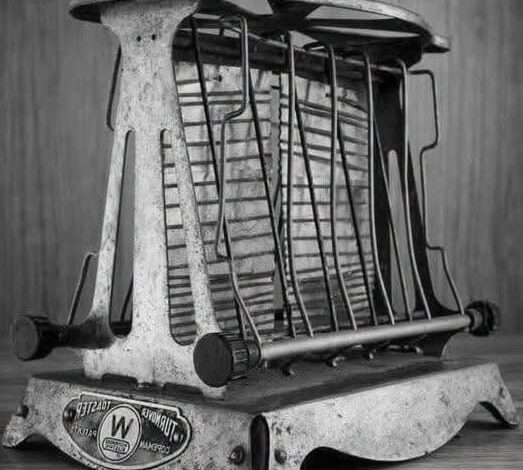
An early milestone in kitchen automation, the turnover toaster used exposed electric heating elements to brown bread, requiring users to manually flip the slices and closely monitor the process to achieve the desired toastiness before pop-up mechanisms existed.
The turnover toaster reveals a stage in kitchen design when electricity simplified one task without making the whole process automatic. Heating elements provided the means of browning bread, but the user still supplied the judgment and movement needed to finish it. Watching the slices and turning them were part of making breakfast. The appliance therefore combined a new source of heat with a familiar need for hands-on attention.
Its exposed construction helps explain why it looks unfamiliar beside a modern toaster. Many people associate toast with bread disappearing into enclosed slots and returning when the cycle ends. The older device presents the operation more openly. Bread is positioned near the heating elements, and its progress can be watched rather than left entirely to a mechanism hidden inside a case. That visible arrangement gives the object its distinctive appearance.
Turning the slices is the feature that gives this style of toaster its name. One side must face the heat, and then the other side must be brought into position. The action is simple, but it makes the person's involvement essential. The device does not complete the same sequence as a pop-up toaster. It depends on someone noticing how the bread is browning and deciding when the next step is needed.
That difference also changes the rhythm of the task. Instead of loading bread and waiting for an automatic release, the user remains engaged with the process. The desired color and crispness are matters of observation. The appliance offers electrical heating, while the final result still relies on attention to the bread itself. This makes the toaster a useful example of how automation can arrive in stages rather than all at once.
The unusual object can be difficult to recognize because its form does not match the familiar image of its modern counterpart. Once its purpose is understood, however, the arrangement becomes easier to read. The exposed elements provide heat, the bread is held where that heat can reach it, and the slices must be turned to brown both faces. The design follows the steps of the task in a direct, visible way.
Looking at it as a household object brings attention to the everyday work behind technological change. A device may appear old-fashioned while still representing a meaningful improvement for the people who used it. The turnover toaster belongs to that transition. It brought electric heat into the preparation of toast while leaving control of the browning process with the person standing beside it.
Its appeal today lies partly in that contrast. The purpose is familiar, yet the method and appearance are different enough to invite a second look. Understanding the toaster means seeing the relationship between its exposed structure and the manual steps it requires. What first appears to be an unfamiliar piece of equipment becomes a recognizable part of the changing history of the kitchen.