Understanding Your Sleep Style and What It Means for Your Goals!
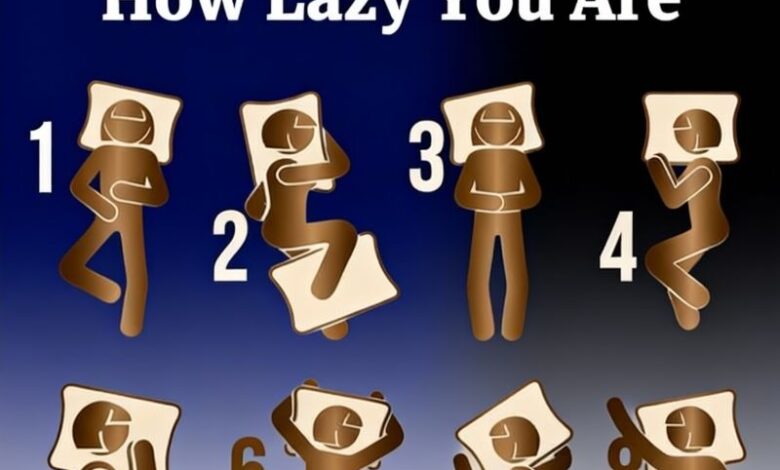
Most people treat sleep like a shutdown switch, a temporary pause before the next demanding day starts. That framing misses the point. Sleep is not neutral downtime. It is a reflection. The way someone sleeps often mirrors how they live, how much pressure they carry, how much they give, and how little space they leave for recovery. Long before the mind admits exhaustion or overload, the body exposes it at night.
Sleep patterns don’t define personality in a rigid or scientific sense, but they do reveal recurring truths. They show how ambition is handled, how stress is stored, how responsibility is absorbed, and how emotional weight is processed. In a world obsessed with output, sleep quietly records the cost of that output.
High performers are starting to notice this. Entrepreneurs, professionals, caregivers, and relentlessly driven people increasingly understand that their sleep habits say more about their internal state than any productivity app ever could. The body does not lie. It adapts to pressure, and those adaptations show up when everything finally goes still.
Certain sleep positions tend to appear among people who live under constant demand. These are the individuals who are always reliable. They arrive early, stay late, and take on more than they are asked to carry. Their exhaustion is not accidental. It is earned through discipline, consistency, and an almost automatic willingness to push past limits. They often chase ambitious goals while simultaneously holding together families, teams, or entire systems that depend on them.
When these people fall asleep quickly, it is often mistaken for healthy rest. In reality, it can signal something deeper: a nervous system that has been running hot for too long. Collapse is not recovery. Sleep driven by depletion does not restore the body the same way deliberate rest does. Over time, this pattern erodes focus, emotional stability, immune function, and long-term performance. The irony is brutal. The people most committed to excellence are often sabotaged by their inability to stop.
For them, rest is not a luxury. It is infrastructure. Without it, ambition turns into attrition. Sustainable success requires recognizing that recovery is not weakness and slowing down is not failure. The body needs margin, not just momentum.
Other sleep patterns appear frequently in people who carry two invisible loads at once: practical responsibility and emotional labor. These are the caregivers, the emotional stabilizers, the ones others lean on without hesitation. They listen, reassure, fix, and absorb stress that is not theirs. They are trusted because they are consistent, empathetic, and present. They are often the last to complain and the last to ask for anything in return.
These individuals tend to put themselves last, even when they are overwhelmed. They keep going because stopping feels irresponsible. Over time, that habit takes a toll. Anxiety, restless sleep, and emotional fatigue become common. The problem is not a lack of resilience. It is the absence of permission. They have learned to prioritize everyone else’s needs so completely that their own feel optional.
Mental health research is clear on this point. High-empathy individuals burn out quietly. They do not explode; they erode. Their challenge is not learning how to care, but learning when to stop. Self-preservation is not selfish, but many of them were never taught that distinction. Until they internalize it, sleep becomes fragmented, shallow, and tense, reflecting the constant vigilance of waking life.
Then there are those whose sleep reflects fierce independence. These individuals value autonomy, self-reliance, and control. They solve problems privately and rarely lean on others. From the outside, they appear composed, capable, and unshaken. Internally, they carry everything alone.
This trait is often praised, especially in leadership and performance culture. Strength, discipline, and emotional containment are rewarded. What is rarely acknowledged is the cost. Suppressed stress does not disappear. It waits. Over time, emotional isolation and unprocessed pressure accumulate, slowing recovery and dulling resilience.
These people rarely ask for help because they equate vulnerability with weakness. That belief is outdated and inaccurate. Research consistently shows that social support improves stress regulation, decision-making, and long-term mental health. Strength is not silent endurance. Strength is knowing when to open the door and let pressure dissipate instead of compacting inside.
Across all sleep styles, one pattern repeats: people are giving more energy than they are receiving. Modern culture glorifies hustle, availability, and emotional output. Rest is treated as optional, something to be earned after exhaustion sets in. Biology does not agree with that narrative.
Sleep is not passive. It is active repair. During rest, the brain consolidates memory, stabilizes mood, and recalibrates stress hormones. The body repairs tissue, regulates immune response, and resets internal systems that are abused during long days of effort and restraint. Chronic sleep deprivation undermines judgment, emotional control, cardiovascular health, and long-term cognitive performance. These are not abstract risks. They directly sabotage the goals people claim to care about.
Understanding sleep through this lens shifts the conversation. It is no longer about personality quirks or superficial habits. It becomes a form of self-diagnosis. The body communicates honestly at night, revealing when someone is pushing too hard, carrying too much alone, or chasing validation at the expense of recovery.
Balance does not require abandoning ambition or responsibility. It requires integration. Effort must be matched with restoration. Commitment must be paired with boundaries. Strength must include compassion directed inward, not just outward.
Sleep positions do not predict destiny. They reflect patterns. Patterns of effort, care, independence, endurance, and neglect. Paying attention to these signals gives people leverage. It allows adjustments before burnout forces them. It offers clarity before health, focus, or emotional stability erode beyond easy repair.
Real success is not endless output. It is durability. It is the ability to continue without breaking, to adapt without collapsing, and to rest without guilt. Those who learn to listen to their sleep learn to protect their energy. And energy, more than motivation or discipline, determines how far someone can go and how long they can stay there