In several regions, while using their toilets, people were attacked by
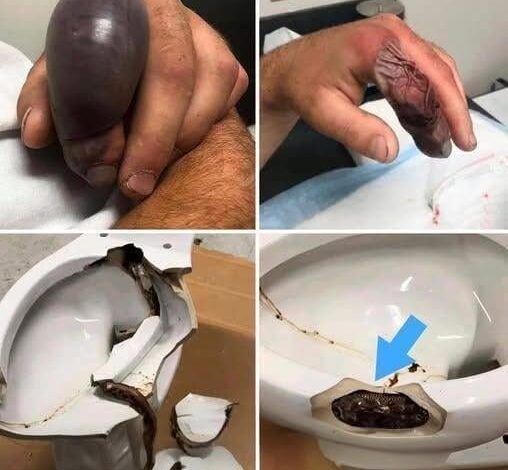
Toilet Snake Bites: Rare but Real Threats Around the World
Though unusual, snake bites from toilets are a genuine hazard in some regions, with incidents reported across several continents. Snakes often enter homes via sewer lines, roof vents, or gaps in bathrooms, particularly during rainy seasons in tropical areas.
In one alarming case in Thailand, a man was bitten on his testicles by a 12-foot python that had taken shelter in his toilet. In South Africa, a Dutch tourist sustained serious genital injuries after a Cape cobra struck in an outdoor restroom. Other incidents include a woman in Texas bitten by a rat snake, and another in Australia who suffered a thigh bite from a carpet python. While all victims survived, some needed surgery and psychological support.
Experts note that snakes can access bathrooms through drains, sewer systems, or damaged pipes, making rural homes and public toilets particularly vulnerable. One specialist explained, “Snakes can slither upward through pipes and appear unexpectedly in toilets,” highlighting the need for caution and awareness in affected areas.
Although these cases are rare, residents in places where snakes are common can take simple precautions without becoming fearful of every bathroom. Keeping toilet lids closed, maintaining damaged pipes and roof vents, and checking rarely used facilities before sitting may reduce the chance of an unexpected encounter. Outdoor toilets and bathrooms near vegetation deserve extra attention, especially after flooding or heavy rain.
If a snake is discovered, the safest response is to step away, keep children and pets out of the room, and contact local wildlife or emergency services. Attempting to capture or kill the animal can increase the risk of a bite. A person who is bitten should seek urgent medical care, remain as still as possible, and avoid cutting the wound, applying ice, or trying to suck out venom.
Identification can help doctors choose treatment, but nobody should approach the snake for a photograph. Observing its color and markings from a safe distance is enough when that can be done without risk. Medical teams can assess symptoms and consult poison-control or local experts.
The reported incidents are memorable because of where they happened, not because toilets are a common route of attack. Awareness, basic home maintenance, and a calm emergency response offer far more protection than panic.
Homeowners in higher-risk regions can also install secure drain covers and ask a plumber to check broken seals or openings that connect bathrooms to outside spaces. Vegetation and debris should be kept away from exterior pipe openings where local conditions make that practical. These measures are ordinary maintenance steps, not guarantees, but they can make entry less likely.
After any bite, symptoms such as swelling, severe pain, weakness, trouble breathing, vomiting, or changes in vision require immediate attention. Even a bite from a species believed to be harmless can become infected or cause tissue damage. The sensible rule is simple: leave identification and removal to trained professionals, and let medical staff decide what treatment is necessary.
Prompt care remains essential.