AI generated photo circulates showing Donald Trump and aide Natalie Harp kissing on golf course
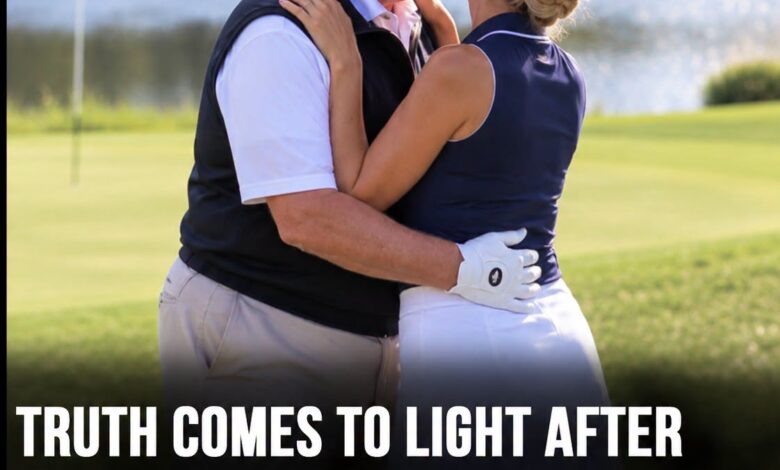
The viral “kiss on the golf course” between Donald Trump and White House aide Natalie Harp is a chilling glimpse of how easily reality can be forged. At first glance, the image felt authentic enough to ignite speculation about Trump’s marriage and Harp’s relationship with the president. It spread at lightning speed, shared by people who never paused to question its origin. Only later did analysts and online sleuths point out telltale flaws: Harp’s bizarre six-fingered hand, warped background details, and AI-detection tools flagging the picture as manipulated.
Behind the gossip lies a deeper, more unsettling truth. Harp is a real person, a close adviser, frequently seen with Trump on trips like his recent visit to Ireland. Yet a fabricated moment, invented by an algorithm, briefly rewrote her story and his. As AI grows more powerful, the cost of believing our eyes may become unbearably high.
The first mistake in a story like this is not necessarily deliberate dishonesty. It may begin with a viewer accepting the emotional suggestion of a picture before asking what the picture actually establishes. A recognizable face, a familiar setting, and an apparently intimate gesture can seem to supply their own explanation. The mind fills the spaces between them. Once that explanation feels complete, questioning it can feel less urgent than passing it along.
The source describes a reversal of that process. Details that initially seemed convincing became reasons to doubt the image. The unusual hand and distorted background did not create a new scandal; they undermined the one the picture appeared to show. That distinction is important. A fabricated photograph is evidence of fabrication, not evidence that the event it depicts occurred. Repeating the rumor after recognizing the manipulation only keeps the original confusion alive.
For the people depicted, the consequences are not limited to whether an image is eventually corrected. A false suggestion can linger in captions, comments, and memories. Some viewers may encounter the correction, while others remember only the first impression. That unevenness helps explain why a manufactured moment can interfere with the way a real person is discussed, even when the picture itself has been discredited.
Natalie Harp's professional proximity to Trump, as described in the source, provides context for why the pairing might seem plausible to an audience. It does not validate the imagined kiss. Professional association and romantic implication are separate claims. Treating one as proof of the other is precisely the leap that gives a misleading image its power. The more recognizable the setting and the people, the easier it can be for that leap to go unnoticed.
A more careful response does not require inventing a competing story. It requires resisting the pressure to turn a single picture into a complete account of someone else's life. When an image is manipulated, the responsible conclusion is limited and clear: the pictured moment cannot be relied upon. The larger lesson is about attention, restraint, and the difference between a visual impression and a supported explanation. The photograph may have spread because it invited gossip, but the meaningful story is the ease with which an invented scene was briefly mistaken for reality.