Doctors Warn Your Sleeping Position May Be Making Acid Reflux Worse
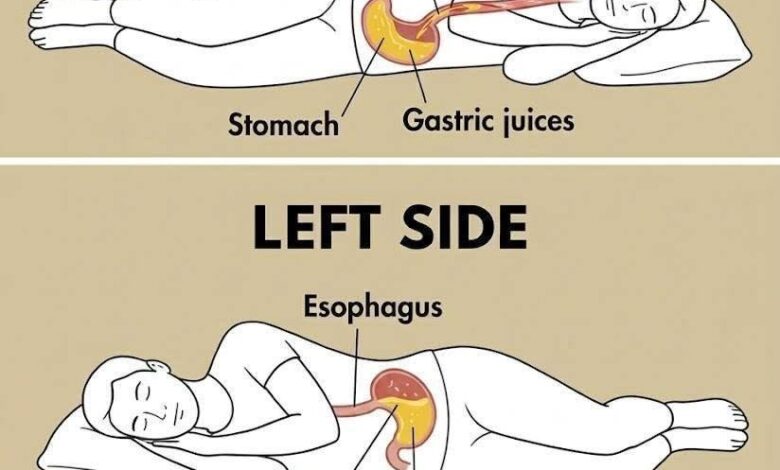
A common sleeping habit could be quietly worsening nighttime acid reflux.
Many people focus on diet, stress, and medication when trying to manage acid reflux, but health experts say another factor may be playing a significant role: sleeping position. According to digestive health specialists, the way a person sleeps can influence how easily stomach acid travels back into the esophagus during the night.
Acid reflux occurs when stomach contents move upward into the esophagus, causing symptoms such as heartburn, chest discomfort, a sour taste in the mouth, coughing, or throat irritation. For some individuals, symptoms become worse while lying down because gravity no longer helps keep stomach contents in place.
Why Sleeping on the Left Side May Help
Research has suggested that sleeping on the left side may reduce reflux episodes compared with sleeping on the right side. This difference appears to be related to the natural anatomy of the stomach and esophagus.
When a person lies on the left side, the connection between the stomach and esophagus may remain above the level of stomach contents, making it more difficult for acid to flow upward. By contrast, sleeping on the right side may allow stomach acid to reach the esophagus more easily in some individuals.
This does not mean that everyone who sleeps on the right side will develop reflux. Many factors contribute to digestive health, including body weight, diet, meal timing, stress levels, smoking habits, alcohol consumption, and underlying medical conditions.
Other Habits That Can Reduce Nighttime Reflux
Health professionals often recommend avoiding large meals shortly before bedtime. Eating late at night may increase the likelihood of reflux because the stomach remains full while a person is lying down.
Some additional strategies include:
Finishing dinner at least two to three hours before bedtime
Limiting spicy, fatty, or highly acidic foods in the evening
Reducing caffeine and alcohol intake if they trigger symptoms
Maintaining a healthy body weight
Quitting smoking
Wearing loose-fitting clothing around the abdomen
Elevating the Head May Also Help
Another frequently recommended strategy is elevating the head of the bed. Raising the upper body slightly may help prevent stomach contents from flowing backward into the esophagus while sleeping.
Experts also emphasize the importance of identifying individual reflux triggers. Common triggers may include spicy foods, tomato-based products, chocolate, coffee, carbonated beverages, citrus fruits, and alcohol. However, triggers vary from person to person, making personalized approaches important.
When to See a Doctor
Persistent reflux symptoms should not be ignored. Chronic gastroesophageal reflux disease (GERD) can sometimes lead to complications involving the esophagus if left untreated.
Individuals who experience frequent heartburn, difficulty swallowing, persistent coughing, or unexplained chest discomfort should consult a healthcare professional for evaluation.
The Bottom Line
Sleeping position is only one piece of the puzzle when it comes to digestive health, but it can make a meaningful difference for some people. For individuals who regularly experience nighttime reflux, changing sleeping position, avoiding late-night meals, and following medical advice may help improve both digestive comfort and sleep quality.
While sleeping on the left side is not a guaranteed cure, it is a simple adjustment that could potentially reduce symptoms and contribute to a more restful night's sleep.